

What Helps a Slipped Disc — And What Often Does Not
A slipped disc rarely develops overnight, and improvement rarely comes from a single quick fix. The spine responds to daily habits—how you sit, move, rest, and exercise. Some approaches help the spine function better, while others may increase pressure on already stressed spinal discs.
Understanding what helps—and what does not—can make a meaningful difference for spinal health. The sections below explain the habits, mechanical stresses, and care approaches that influence spinal discs and movement. For readers exploring slip disc care for bulges, herniation, or extrusions, this guide explains which approaches may help the spine function better and which ones may place additional stress on the discs.
Key Takeaways: What Helps a Slipped Disc
- Daily habits shape spinal disc stress
How you sit, move, and rest influences how discs handle pressure. - Movement is more helpful than prolonged rest
Regular walking and controlled activity support spinal function. - Posture plays a major role
Poor sitting habits and forward bending increase disc pressure. - Some habits increase strain over time
Heavy lifting, repetitive bending, and inactivity may worsen disc stress. - Structured care focuses on load management
Chiropractic methods, physiotherapy, and guided exercises help improve how the spine handles daily activity.
Quick Guide: What Helps vs What Worsens a Slipped Disc
- Helps: regular movement, upright posture, guided exercise
- Worsens: prolonged sitting, poor posture, sudden heavy lifting
- Helps: controlled strengthening and spinal stability
- Worsens: inactivity and repetitive bending
- Next step: get assessed if symptoms persist or affect daily movement
What Helps a Slipped Disc: What This Guide Covers
What Actually Helps a Slipped Disc
Spinal discs respond best to balanced movement, healthy posture, and reduced mechanical pressure. Because discs absorb load between the vertebrae, everyday habits play an important role in how the spine manages stress during sitting, walking, lifting, and rest.
Several conservative approaches may help support spinal function when disc stress is present.
Key Factors That May Help Spinal Disc Health
- maintaining upright sitting posture
- limiting prolonged sitting periods
- regular walking and movement breaks
- structured spinal and core strengthening exercises
- guided physiotherapy and chiropractic care
- improving sleep posture and mattress support
- reducing repetitive forward bending and heavy lifting
These approaches focus on improving spinal movement, muscular balance, and load distribution within the spine.
Need Guidance for Spinal Disc Concerns in Kuala Lumpur?
If symptoms such as neck discomfort, lower back discomfort, sciatica patterns, or limb weakness affect daily movement, a clinical evaluation can help determine which spinal structures may be involved.
At Chiropractic Specialty Center® in Kuala Lumpur, care programs combine chiropractic methods, physiotherapy rehabilitation, and guided exercise programs designed to improve spinal movement and reduce mechanical stress affecting discs and nearby nerves.
Conservative Spine Care in Kuala Lumpur
Non-surgical spine care often focuses on improving spinal mechanics, restoring movement, and reducing excessive pressure within the discs.
Care programs may include:
- disc specific chiropractic care without twisting or cracking the spine
- physiotherapy for discs, nerves, muscles and joints
- guided disc specific strengthening and movement programs at CSC’s gym
- posture and ergonomic education
- structured spinal decompression when appropriate
Integrated approaches combining chiropractic and physiotherapy are commonly used to address multiple factors influencing spinal health.
Why Spinal Discs Become Damaged
Spinal discs sit between the vertebrae and function as shock absorbers for the spine. They allow the spine to bend, rotate, and distribute forces that occur during standing, walking, lifting, and everyday movement. When disc structure and hydration remain balanced, the spine can manage these loads efficiently.
Over time, repeated mechanical stress can gradually influence disc structure. Long periods of sitting, frequent forward-leaning posture, and limited spinal movement increase the pressure placed on discs. When this pattern continues over many years, the outer disc fibers may weaken, allowing internal disc material to shift outward. Structural changes such as disc bulges, protrusions, or herniation may develop as a result.
Movement also plays an important role in disc health. Unlike many tissues in the body, spinal discs do not have a direct blood supply. Instead, they depend on pressure changes created by movement to exchange fluids and nutrients. When the spine remains in static positions for extended periods, that exchange slows, which may influence long-term disc condition.
Because of these mechanical factors, discussions about spinal health often involve posture, mobility, and load management. Additional explanations about long-term disc changes are available in our sections on degenerative disc disease and how spinal discs become damaged, where the structural progression of disc changes is discussed in greater detail.
Video: How Posture Influences Spinal Discs and Spinal Mechanics
Posture influences how the spine manages pressure during sitting, standing, and daily movement. Over time, repeated posture habits can affect muscles, ligaments, joints, and spinal discs.
In this short educational video, Y. Zafer explains how posture patterns influence spinal alignment, disc function, and nerve pathways. The explanation connects spinal anatomy with everyday movement habits and helps viewers understand how posture may influence long-term spinal health.
Duration: 8 minutes | Educational explanation of posture, spinal discs, and movement mechanics.
Habits That Often Make Disc Problems Worse
Certain daily habits may increase pressure within spinal discs and contribute to ongoing mechanical stress.
Common factors that may worsen disc-related spinal stress include:
- prolonged sitting without movement
- leaning forward over phones or laptops
- poor workstation ergonomics
- sudden heavy lifting with poor posture
- repetitive bending or twisting
- inactivity and reduced spinal movement
- aggressive traction or uncontrolled pulling techniques
Reducing these stress patterns can help protect spinal discs and support healthier movement.
When Spinal Discs Influence Nerves and Movement
Structural changes within a spinal disc do not always remain limited to the disc itself. Because discs sit close to the spinal canal and nerve openings, changes in disc shape or height may influence nearby nerves, joints, and surrounding muscles. When this occurs, sensations may appear in areas away from the spine.
In the neck region, nerves travel toward the shoulders, arms, and hands. In the lower spine, nerves extend through the buttock and into the legs and feet. When these nerves become sensitive, symptoms may follow the pathway of the affected nerve. This pattern of nerve pain is often described as radicular symptoms.
In the lower spine, nerve involvement may contribute to patterns commonly described as sciatica, where sensations travel from the lower back through the buttock and into the leg. In the neck, nerve irritation may influence the shoulder, upper back, arm, or hand.
Not every spinal disc change produces the same pattern. Some individuals experience symptoms limited to the neck or lower back, while others notice sensations traveling into the arms or legs depending on which spinal level is involved.
The next section explains the common symptoms associated with slipped discs, including those affecting the neck, upper back, lower back, arms, and legs.
Slipped Disc Symptoms: Signs That Nerves May Be Involved
Changes within a spinal disc can influence nearby nerves, joints, and surrounding muscles. Because spinal nerves travel from the neck and lower back into the arms and legs, symptoms may appear in areas away from the spine depending on which nerve pathways are affected.
Symptoms vary between individuals and may develop gradually as mechanical pressure within the spine influences nerve sensitivity and spinal movement.
Common symptoms associated with slipped discs may include:
- neck pain & discomfort or neck stiffness
- neck discomfort spreading into the shoulder or upper back
- burning or tingling sensations between the shoulder blades
- arm tingling, numbness, or unusual sensations in the arm, wrist, hands & fingers
- lower back pain and discomfort near the pelvis
- back pain near the waist that increases with sitting or bending
- sciatica pain and numbness patterns where sensations travel through the buttock and into the leg
- heaviness or unusual sensations in the thigh, calf, or foot
- weakness in the leg or difficulty maintaining balance
- unusual differences in strength or sensation between one side of the body and the other
The pattern and intensity of symptoms often depend on which spinal level is involved and how surrounding nerves respond to mechanical pressure within the spine.
Understanding Spinal Disc Stress: Full Educational Talk
Understanding how spinal discs respond to pressure, posture, and movement can help explain why symptoms develop and what habits may influence spinal health.
In this educational talk, Yama Zafer, D.C. explains how spinal discs manage load during everyday activities such as sitting, bending, lifting, and walking. The discussion also covers how disc stress may influence nerve pathways and why posture, movement, and spinal mechanics play an important role in long-term spine health.
Duration: 1 hour 46 minutes | Educational spine lecture
Conservative Care Approaches for Spinal Disc Concerns
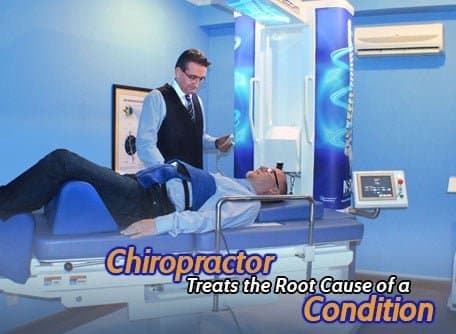
When spinal disc changes influence movement or nearby nerves, conservative care programs often focus on reducing excessive mechanical pressure within the spine while improving stability and movement control. The goal of care is to help the body manage load more efficiently, support tissue recovery, and reduce stress affecting spinal joints, discs, and nerve pathways.
Depending on the condition and clinical findings, care strategies may include:
- spinal decompression therapy applied in controlled settings to reduce mechanical disc pressure
- high-intensity laser therapy to support tissue recovery and local circulation
- shockwave therapy for chronic soft-tissue restrictions affecting spinal movement
- therapeutic ultrasound to influence deep soft tissues around joints and discs
- interferential current therapy for neuromuscular stimulation
- machine-based cryotherapy to help calm irritated tissues
- guided rehabilitation exercises performed one-on-one with a physiotherapist
- spinal and core strengthening programs performed in the physiotherapy gym
- flexion-distraction spinal mobilization to assist joint movement and reduce spinal loading
- gentle chiropractic methods using techniques such as Thompson, SOT, or Activator approaches
These coordinated methods aim to improve spinal movement, restore muscular support around the spine, and reduce mechanical stress that may influence discs and nearby nerves.
Recap: What Helps a Slipped Disc — And What Often Does Not
A slipped disc is influenced more by daily habits than by any single activity. Throughout this page, you’ve seen that spinal discs respond to how the spine is used during sitting, movement, lifting, and rest.
Helpful habits usually involve regular movement, posture awareness, and controlled strengthening. Walking, guided exercises, and proper sitting alignment help distribute spinal load more evenly and reduce repeated stress on the discs.
On the other hand, certain patterns may increase strain over time. Prolonged sitting, forward-leaning posture, heavy lifting with poor mechanics, and inactivity can all contribute to increased pressure within the discs and surrounding structures.
Understanding the difference between helpful and harmful habits allows you to make better day-to-day decisions. Because each case is different, the most effective next step is usually a structured evaluation to determine how spinal discs, joints, muscles, and nerves are interacting.
What Helps a Slipped Disc: Common Questions Answered
If you are trying to understand what actually helps a slipped disc—and what may make it worse—you are not alone. The questions below focus on daily habits, posture, movement, and conservative care approaches that influence how spinal discs respond over time.
What actually helps a slipped disc the most?
Consistent movement, posture awareness, and guided exercises that improve how the spine handles daily load.
What habits make a slipped disc worse?
Prolonged sitting, poor posture, heavy lifting with improper form, and repetitive bending may increase disc stress.
Is rest helpful for a slipped disc?
Short rest may help initially, but prolonged inactivity may reduce spinal support and increase stiffness.
Can walking help a slipped disc?
Yes. Regular walking helps distribute spinal load and supports disc movement.
Do exercises help spinal discs recover?
Guided exercises may improve muscle balance and spinal stability, which helps reduce stress on discs.
Why does sitting increase disc pressure?
Sitting, especially with poor posture, may increase pressure within the spinal discs compared to standing.
Can posture changes improve disc health?
Yes. Upright posture and proper alignment may reduce repeated stress on spinal discs.
When should I avoid certain movements?
Avoid movements that involve sudden twisting, heavy loading, or uncontrolled bending when symptoms are present.
Can a slipped disc affect nerves?
Yes. Disc changes may influence nearby nerves, which can lead to symptoms in the arm or leg.
When should I get checked for a slipped disc?
If symptoms persist, worsen, or affect daily movement, a clinical evaluation may help identify the cause.
Yama Zafer, D.C. –What Helps a Slipped Disc — And What Often Does Not
Yama Zafer, D.C., holds degrees in physiotherapy and chiropractic from Cleveland University–Kansas City, USA and has 30+ years of experience in physiotherapy and chiropractic. Read more about Yama Zafer D.C. on his official bio page.
Where to Be Seen in Bandar Sri Damansara
Travel across Kuala Lumpur is not always simple. You can read about the Bandar Sri Damansara center in northwest Kuala Lumpur. That center provides chiropractic together with physiotherapy.
The address, telephone number and opening hours are listed on Bandar Sri Damansara location and opening hours. Travel details for the main center are on how to reach the Bukit Damansara center.
Peer-Reviewed References
- Parker SL, et al. The natural history of lumbar disc herniation treated conservatively: systematic review. Spine J. 2010.
- Chou R, et al. Non-invasive treatments for low back pain: clinical guidelines update. Ann Intern Med. 2017.
- Wegner I, et al. Effectiveness of core stabilization exercises in lumbar disc herniation. J Back Musculoskelet Rehabil. 2013.
- Hawk C, et al. Chiropractic care of lumbar disc herniation: current evidence and recommendations. J Manipulative Physiol Ther. 2012.
- O’Connell NE, et al. Rehabilitation interventions for disc-related structural conditions. Physiotherapy. 2013.
- Dekel S, et al. Combined chiropractic and physiotherapy management of lumbar disc dysfunction: RCT outcomes. Eur Spine J. 2011.
- Lind B, et al. Non-surgical rehabilitation for lumbar radiculopathy due to disc herniation. Eur Spine J. 2008.
The 7 Habits Page Was Last Updated On April 18, 2028
Last updated March 18, 2026 • 7 Habits That Help a Slipped Disc | KL Spine Guide