Spinal Discs Explained: Structure, Function & Care
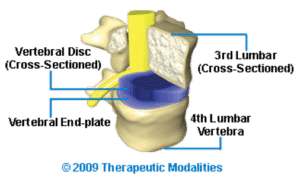
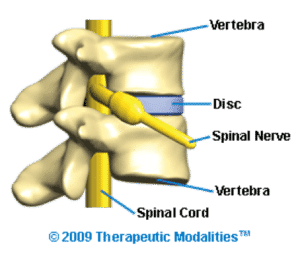
Spinal discs are essential for how the spine handles load, movement, and flexibility throughout daily life. Positioned between each vertebra, every disc works with the vertebral end-plates, surrounding joints, and soft tissues to distribute pressure and allow controlled motion.
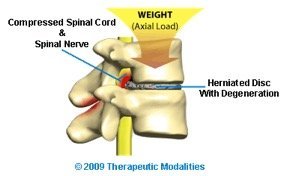
Over time, repeated loading, posture habits, and reduced nutrient exchange can influence disc structure, leading to changes such as reduced hydration, bulging, or herniation. This page explains spinal discs in clear, practical terms—how they are structured, how they function, how they receive nutrients, and how disc-related changes develop gradually.
If you would like further guidance after reading, you may WhatsApp Chiropractic Specialty Center® at +60 17 269 1873
Key Takeaways: Spinal Discs and How Changes Develop
Spinal discs manage load and movement: Spinal discs sit between each vertebra and act as shock absorbers, helping the spine handle daily pressure while allowing controlled movement.
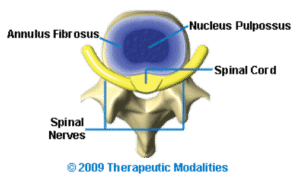
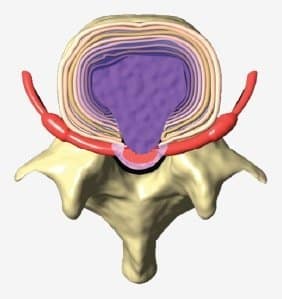
Disc structure determines function: Each disc has a strong outer layer (annulus fibrosus), a gel-like center (nucleus pulposus), and end-plates that allow nutrient exchange—all working together to maintain stability and flexibility.
Discs rely on movement for nutrition: Spinal discs do not have a direct blood supply. They depend on movement and pressure changes to absorb nutrients through the end-plates, a process known as imbibition.
Disc changes develop gradually over time: Repeated loading, reduced hydration, and changes in disc structure can lead to bulging, herniation, or loss of disc height, which may influence nearby nerves and joint mechanics.
Conservative, non-invasive care should be considered first: For many spinal disc concerns, structured non-invasive care combining chiropractic, physiotherapy, and disc-focused methods such as NSD Therapy® may be considered before exploring surgical options.
Table of Contents for the Spinal Disc
Watch Video: Spinal Discs Explained – From Structure to Disc Changes
This in-depth session explains how spinal discs function, how they respond to daily load, and how changes such as bulging or herniation develop over time. The discussion covers disc structure, hydration, posture, sitting pressure, sleep habits, and how disc-related changes may influence arm or leg symptoms.
If you are exploring options for spinal disc care in Kuala Lumpur, you may also review our detailed page on non-invasive spinal disc care approaches in KL to understand how structured care may be planned alongside these concepts.
Use the chapters below to explore specific topics at your own pace.
Chapters (Timestamp Navigation)
00:00 – Neck & Back Overview 02:43 – Spine Anatomy: Cervical, Thoracic & Lumbar 04:06 – Key Functions of the Spine 06:22 – Spinal Disc Structure: Annulus vs Nucleus 09:07 – Why Healthy Discs Are Strong 13:10 – Posture & Daily Habits 15:53 – Early Disc Changes Over Time 18:30 – MRI: Healthy vs Degenerated Disc 20:50 – Disc Recovery & Adaptation 25:52 – Disc Hydration & Sleep 28:49 – Disc Bulge to Herniation Progression 34:53 – Can Disc Changes Exist Without Symptoms? 38:00 – Sitting & Disc Pressure 42:30 – Disc Nutrition & Limitations of Supplements 45:12 – Load Differences: Sitting vs Standing 51:05 – Sleep Position & Spinal Alignment 57:13 – Movements to Be Careful With 1:04:12 – Walking, Footwear & Joint Load 1:12:46 – Sciatica & Nerve Involvement 1:21:40 – Hip Flexors & Movement Balance 1:26:06 – Nutritional Factors for Disc Health 1:30:30 – Balance & Movement Control 1:33:12 – Non-Invasive Options vs Surgery 1:38:12 – Neck Positioning During Sleep 1:42:40 – Rotation Activities & Spine Stress
How the Spinal Column and Spinal Discs Work Together