
Knee Care in KL: Care Without Surgery
Knee care works best when it is matched to the exact structure involved and how the knee is functioning during walking, stairs, squatting, and daily movement. Because knee symptoms may come from ligaments, meniscus, cartilage wear, tendon overload, or joint stiffness, care is usually more effective when several approaches are combined rather than relying on one method alone.
At CSC, knee care may combine chiropractic with physiotherapy, guided rehabilitation, hands-on muscle work, and device-based therapies. Depending on the fin dings, this may include gentle joint mobilization, muscle release techniques, therapeutic ultrasound, shockwave therapy, high-intensity laser therapy, and carefully guided exercise progression.
All exercises are performed one-on-one and may include stationary bicycle work, elliptical training, leg press, hamstring and quadriceps strengthening, and hip stabilizing exercises using the adductor and abductor machines in our rehabilitation gym.
Can Knee Discomfort Improve Without Surgery?
In many cases, yes — depending on the cause. Knee symptoms caused by ligament strain, meniscus irritation, muscle imbalance, overuse, or early arthritis-related changes may often be explored with condition-specific non-invasive care first. The key is identifying the exact structure involved and matching the care plan to the knee’s current stability, movement range, and daily load tolerance.
Key Takeaways for Knee Pain Treatment in KL
- Knee symptoms may come from the joint, ligaments, meniscus, cartilage, or how force moves through the hips and lower back.
- Non-surgical care often works best when it is matched to the exact structure involved.
- Physiotherapy, chiropractic, laser, shockwave, and guided rehabilitation may all be part of the plan.
- Exercises should progress gradually and should not increase swelling or joint stress.
- Some knee symptoms may also be linked to lower back, disc, or sciatic nerve issues.
- Imaging such as X-ray or MRI may help guide the most appropriate next step.
- Early condition-specific care may help improve walking, stairs, and daily movement tolerance.
When Knee Symptoms May Also Be Coming From the Lower Back or Sciatic Nerve
Knee symptoms do not always begin in the knee itself. In some cases, lower back joint stiffness, spinal disc changes, hip imbalance, or sciatic nerve irritation may alter how force moves through the leg.
When the lower back, hips, or pelvis are not moving well, extra pressure may be transferred into the knee during walking, stairs, standing, and squatting. This may contribute to repeated knee strain, uneven loading, or symptoms that keep returning.
For individuals who also have lower back stiffness, sciatica-like symptoms, leg numbness, or hip tightness, the pages below may help explain the wider movement chain.
- Slip Disc Care in Kuala Lumpur
- Back Care in KL, PJ & Selangor
- Sciatica Care in Kuala Lumpur
- Chiropractor in Kuala Lumpur with Physiotherapy
- Physiotherapy in KL & Malaysia
- Spine & Joint Rehabilitation in Kuala Lumpur
Video: Knee Care Should Not Increase Joint Stress
Non-surgical knee care should be specific, progressive, and comfortable enough for the knee to tolerate. Care that increases swelling, instability, or sharp joint stress often needs to be reviewed and adjusted.
Early care may begin with movement restoration and swelling control, followed by muscle activation and guided strengthening. More advanced exercises are only added when the knee can tolerate load safely.
This step-by-step approach helps improve stability, walking tolerance, and daily function without placing unnecessary stress on the joint.
Key Moments in This Video
- 00:00 why knee symptoms return
- 00:40 how force moves through the knee
- 01:50 meniscus and cartilage loading
- 03:10 movement imbalance and wear
- 05:40 when imaging may help
- 06:50 choosing the right care plan
- 08:00 early exercise progression
- 10:10 squat and leg alignment
- 14:35 gym-based strengthening
- 17:30 when to reassess the knee
Why Knee Symptoms Often Return Even After Rest
Sometimes knee symptoms keep returning because the joint is reacting to repeated stress from the hips, pelvis, ankles, or lower back rather than from the knee alone.
The video below explains how body weight and movement forces pass through the knee, why meniscus and cartilage structures may become overloaded, and how targeted rehabilitation may help improve joint function before more invasive options are considered.
What May Be Causing Your Knee Symptoms?
Knee symptoms may come from several different structures, and the location of the discomfort does not always identify the true cause.
Common sources include:
- ligaments (ACL, PCL, MCL, LCL)
- meniscus
- cartilage surfaces
- kneecap tracking
- tendon overload
- arthritis-related changes
- overuse from stairs, walking, or sports
Understanding the source helps guide the most appropriate next step.
How Knee Care Is Structured Without Surgery
Knee care works best when it is matched to the exact structure involved and how the knee is functioning during walking, stairs, squatting, and daily movement. Because knee symptoms may come from ligaments, meniscus, cartilage wear, tendon overload, or joint stiffness, care is usually more effective when several approaches are combined rather than relying on one method alone.
At CSC, knee care may combine chiropractic with physiotherapy, guided rehabilitation, hands-on muscle work, and device-based therapies. Depending on the findings, this may include gentle joint mobilization, muscle release techniques, therapeutic ultrasound, shockwave therapy, high-intensity laser therapy, and carefully guided exercise progression.
All exercises are performed one-on-one and may include stationary bicycle work, elliptical training, leg press, hamstring and quadriceps strengthening, and hip stabilizing exercises using the adductor and abductor machines in our rehabilitation gym.
Discover How to Keep Knees Moving Comfortably
Knee discomfort often begins with how we walk, sit, and climb stairs. Join our Free Knee Health Talk in Kuala Lumpur to explore practical, safe approaches that help your knees move freely and naturally.
Targeted Non-Surgical & Non-Invasive Knee Care
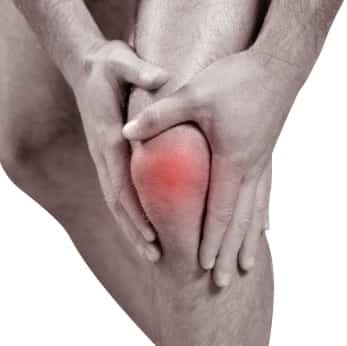
If you are a knee discomfort, visit one of our centers today. Our systems of knee care are superior to what others offer. In our center, we combine the collective experiences of our clinical chiropractors and physiotherapists into a single method that is further enhanced by modern therapy devices specific to the knees.
For knee discomfort care to work, it must be diagnosis-specific and targeted to the injured tissue. Unfortunately, this simple fact has eluded most. Even if you were to obtain non-surgical knee care in hospitals, they fail. Surgical centers have spent lots of money on perfecting knee surgical procedures and little on non-surgical care.
The physiotherapy departments in most hospitals throughout the world are equipped for post- or pre-surgical patients. In other words, their efforts are concentrated on those who will have surgery and those who have had surgery. This is not to fault them, but as a point of reality. As the saying goes, you can’t be the master of all trades. In short, your caregiver specializes.
They specialize in invasive surgical methods of care or non-invasive and conservative management that prevents patients from undergoing surgery. And that is where we come in: Chiropractic Specialty Center® offers the recommended conservative non-surgical knee care in Malaysia. We are the preferred chiropractic providers in Malaysia.
What Is It Like To Get Addressed At Our Center?
Upon arrival at our center, you will need to fill out our new patient form. In the hope that it would take a few short minutes. Our team assistants will then take you to a consultation room, where a clinical research-based doctor of chiropractic assesses your knees. A CSC chiropractor will ask a few questions about your knee discomfort, activity levels, previous knee care, discomfort level, and other co-conditions, if present. He or she will then proceed to assess your knees through range-of-motion assessments and orthopedic tests. Rest assured, the exam and assessment phase is gentle.
We may need an X-ray or MRI to detect instabilities or damage to the anterior cruciate ligament, posterior cruciate ligament, collateral ligaments, meniscus, and knee cartilage. In short, we don’t guess what caused your knee discomfort. Therefore, our goal during the initial assessment is to identify the actual cause of your knee discomfort. Once we discover the root cause, we customize a targeted knee care plan.
We Off The Suitable Alternative To Knee Injections Or Surgery
Our method of chiropractic manegment and care for the knee is highly unique. It was developed by our director, Yama Zafer, D.C. (Doctor of Chiropractic). Yama Zafer, D.C., is an American chiropractor with over 25 years of clinical expertise. His method and system of care have helped thousands of Malaysians recover without surgery or injection. Yama Zafer, D.C.,’s knee care method has even helped those with failed TKR (Total Knee Replacement) surgeries.
On the rare occasion when surgery is needed, we will inform you. The vast majority of even severe knee discomfort patients recover with our knee care program. So, it is a rare occasion when we ask you to go for surgery.
Our center’s knee care program is through the collaborative efforts of our physical therapists (physiotherapists) and chiropractors. Earlier, we mentioned that we provide suitable chiropractic care in Malaysia. What we forgot to mention is that our physiotherapy care outshines competing physiotherapy centers. So, to conclude, opt for care from us as we offer you the recommended chiropractic and physiotherapy.
Why Our Integrative Conservative Knee Care Is Better Than Medication, Steroidal Injections & Surgery Combined?

Anyone can suffer from knee discomfort regardless of age, weight, or physical activity. Knee discomfort might result from an injury, fall, ruptured ligament, or overuse of cartilage (firm tissue layer, which acts as a cushion between the joints, preventing contact between the femur and tibia bone). Apart from that, the discomfort may also arise from gout, arthritis, or infections. The recommended means of addressing knee discomfort is through a diagnosis-specific method that addresses the actual cause. In other words, it must be targeted and efficient. That is where Chiropractic Specialty Center comes in.
Our knee care is through our in-house knee protocol methods developed by Yama Zafer, D.C. During your session, the knee care you get will incorporate specialized forms of physiotherapy, targeted chiropractic, modern therapy devices, and focused rehabilitation. In other words, our clinical teams will have you back to doing what you love most fast. So call us and experience the care for the knee-related concern you need today. Visit our center today and discover excellence in knee care from our Research-Based Chiropractors, coupled with our clinical physiotherapists’ efforts.
Knee care in our centers is through activator chiropractic adjustment methods as taught by Yama Zafer, D.C., interferential current therapy, Russian stimulations, Premodulated electrotherapy, ultrasound, ESWT shockwave therapy, Spinercise®, and targeted stabilization through focused rehab. We get you better when others fail. We can help you even if you have had a failed knee surgery. So, call our center today for the recommended knee care in Malaysia.
Author Information
Yama Zafer, D.C. –Knee Care in KL: Care Without Surgery– Yama Zafer, D.C., holds qualifications in physiotherapy and chiropractic from Cleveland Chiropractic University in Kansas City and brings nearly 3 decades of clinical experience in physiotherapy and chiropractic. Read more about Y. Zafer on his official bio page.
Peer-Reviewed References
- Bennell KL, et al. Physical therapies for osteoarthritis of the knee: systematic review. Ann Intern Med. 2005.
- Deyle GD, et al. Manual physical therapy and exercise for knee osteoarthritis: randomized trial. Phys Ther. 2000.
- Juhl C, et al. Impact of exercise type and dose on knee osteoarthritis. Arthritis Rheumatol. 2014.
- van Baar ME, et al. Exercise therapy for osteoarthritis of the knee. Arthritis Rheum. 1998.
- Fitzgerald GK, et al. Exercise, manual therapy, and education in knee osteoarthritis. Arthritis Rheum. 2004.
- Trock DH. Low-level laser therapy and physical modalities for knee OA. Rheum Dis Clin North Am. 1999.
- Brosseau L, et al. Evidence-based recommendations for the use of rehabilitation interventions. Cochrane Database Syst Rev. 2010.
Last Updated
Last updated April 15, 2026: Knee Care in KL: What Are Your Options?