

Spine and Joint Treatment: Methods Used at CSC
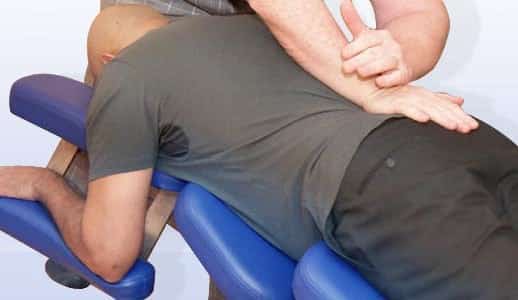
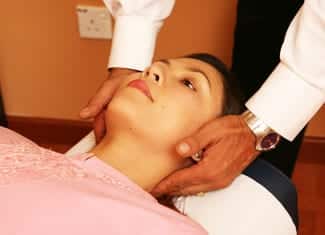
Spine and joint treatment at Chiropractic Specialty Center can involve several methods because different problems require different tools. Chiropractic, registered physiotherapy, exercise rehabilitation, spinal decompression, flexion-distraction, soft-tissue techniques and selected physical modalities each have a different purpose and should not be treated as interchangeable or automatically necessary.
Assessment determines what is relevant. Joint movement, neurological status, strength, tissue tolerance, daily function and existing imaging can all influence the plan. Some problems may need only one professional service; others may benefit from coordinated care.
Understanding the methods is useful because more treatment does not automatically mean better care. The key questions are what a method is intended to do, who delivers it, whether the presentation is suitable, where the evidence is stronger or limited, and how progress will be reviewed before the same approach is repeated.
This overview of spine and joint treatment methods, and how therapy equipment fits into care, is published by Chiropractic Specialty Center, Bukit Damansara (KL) main center: WhatsApp+60 17 269 1873 Call+603 2093 1000
Spine and Joint Treatment: Three Key Takeaways
- Many spine and joint problems are managed without injections or surgery: chiropractic care, physiotherapy, exercise and selected therapy equipment focus on how joints, muscles and spinal segments work together.
- Each problem needs an individual approach: disc changes, joint stiffness, nerve sensitivity and movement limits involve different structures, and assessment decides which combination is appropriate.
- Understanding the spine helps decisions: the two educational videos on this page explain posture and spinal mechanics, and spinal discs and sciatica.
How Posture Influences Spine, Joints, and Movement
Posture affects far more than how a person sits or stands. The way the body is positioned throughout the day influences muscles, ligaments, joints, and spinal discs that work together to support movement and balance. Understanding posture helps explain why stiffness, limited mobility, or tension can develop gradually over time.
In this short educational video, Yama Zafer, D.C. explains how posture influences spinal mechanics and how everyday habits can affect the structures that stabilize the spine. Using simple explanations and visual models, the video connects anatomy, movement, and alignment into one clear picture.
The discussion covers how muscles and ligaments contribute to spinal stability, how joints and discs respond to long-term posture habits, and how spinal alignment can influence nerve pathways that affect movement in the arms and legs.
Watching the full video helps place many common spine and joint concerns into context, making it easier to understand how posture, movement habits, and spinal structure work together over time.
The chapters and an edited transcript of this video are on the Poor Posture Spine video page.
Arranging a Spine and Joint Assessment
To arrange an assessment for a spine or joint problem, see the Bukit Damansara contact page and the Bandar Sri Damansara contact page, or call either center directly:
- Bukit Damansara (KL, main center): Call +603 2093 1000 or WhatsApp +60 17 269 1873 to see the Bukit Damansara / KL center.
- Bandar Sri Damansara (KL): Call +603 6262 5777 or WhatsApp +60 12 455 6939 to see the Bandar Sri Damansara center.
Spine & Joint Concerns Commonly Seen in Kuala Lumpur
People searching for spine and joint care in Kuala Lumpur often want clear answers about the specific condition affecting their movement. At Chiropractic Specialty Center in Bukit Damansara, chiropractors and physiotherapists work together using gentle chiropractic methods, hands-on physiotherapy, rehabilitation exercises, and modern therapy technologies to help improve joint function and movement stability.
Common concerns people visit us for include:
- Slip Disc, Disc Bulge, or Disc Herniation: Spinal disc changes can affect nearby joints and nerves, influencing mobility and daily movement. Our programs may combine spinal decompression, gentle chiropractic care, physiotherapy rehabilitation, targeted strengthening exercises, and posture retraining designed to improve spinal stability.
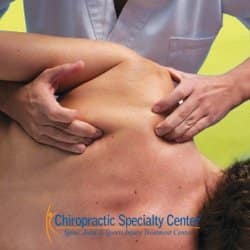
- Neck Pain, Neck Stiffness, or Cervical Spondylosis: Neck pain and stiffness often relate to posture strain, joint restriction, or age-related cervical changes. Chiropractic and physiotherapy sessions may include mobilization, muscle re-education, stretching, and guided exercises aimed at improving cervical movement and postural balance.
- Back Pain or Lower Back Pain: Back concerns may involve spinal joints, discs, muscles, or ligaments. Integrated care may include chiropractic adjustments, physiotherapy rehabilitation, movement retraining, and strengthening programs designed to restore stability in the spine.
- Sciatica and Sciatic Nerve-Related Leg Symptoms: Sciatica can develop when spinal structures influence the sciatic nerve. Coordinated chiropractic, physiotherapy, and rehabilitation exercises may focus on improving spinal mechanics, core stability, and mobility.
- Knee Pain or Meniscus-Related Knee Problems: Knee concerns often involve joint mechanics, surrounding muscles, or meniscus structures. Physiotherapy and rehabilitation programs may include strengthening exercises, balance training, guided movement therapy, and supportive technologies designed to improve knee stability.
Through coordinated chiropractic, physiotherapy, rehabilitation exercises, and movement training, CSC focuses on improving joint stability, spinal mobility, and long-term physical function.
Fees for this and related services are listed on our chiropractic price in Kuala Lumpur and physiotherapy fees in Kuala Lumpur pages.
CSC also holds spinal disc health talks in Kuala Lumpur from time to time; they are paused at the moment, so for the next date, send a WhatsApp message to the Bukit Damansara main center at +60 17 269 1873.
Spinal discs play a central role in how the spine absorbs load, supports movement, and protects nearby nerves. Changes within a disc (such as bulging, protrusion, or herniation) can influence spinal mechanics and may contribute to symptoms such as back pain or sciatica.
CSC also holds spinal disc health talks in Kuala Lumpur from time to time; they are paused at the moment, so for the next date, send a WhatsApp message to the Bukit Damansara main center at +60 17 269 1873.
Using clear explanations and anatomical models, the discussion explores spinal anatomy, disc hydration, nerve pathways, and the mechanical relationship between the lumbar spine, pelvis, and surrounding muscles. The session also explains how sciatica can develop when disc changes influence nearby nerve roots.
Watching the full presentation helps connect many common spine and joint concerns, from posture and sitting habits to spinal disc mechanics, into one clear understanding of how the spine functions as a coordinated system.
To jump to a part of this talk, see the chapter list on the Back Pain to Leg Pain video page.
How Therapy Equipment Fits Into Care
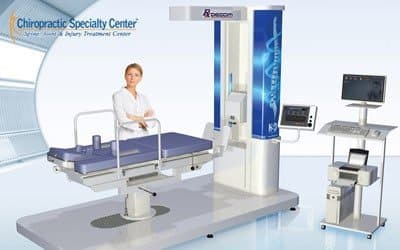
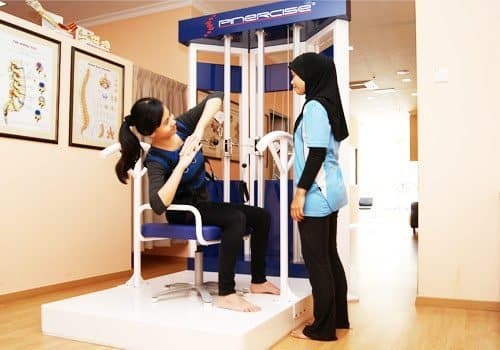
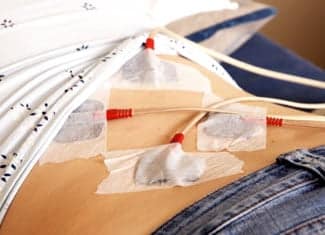
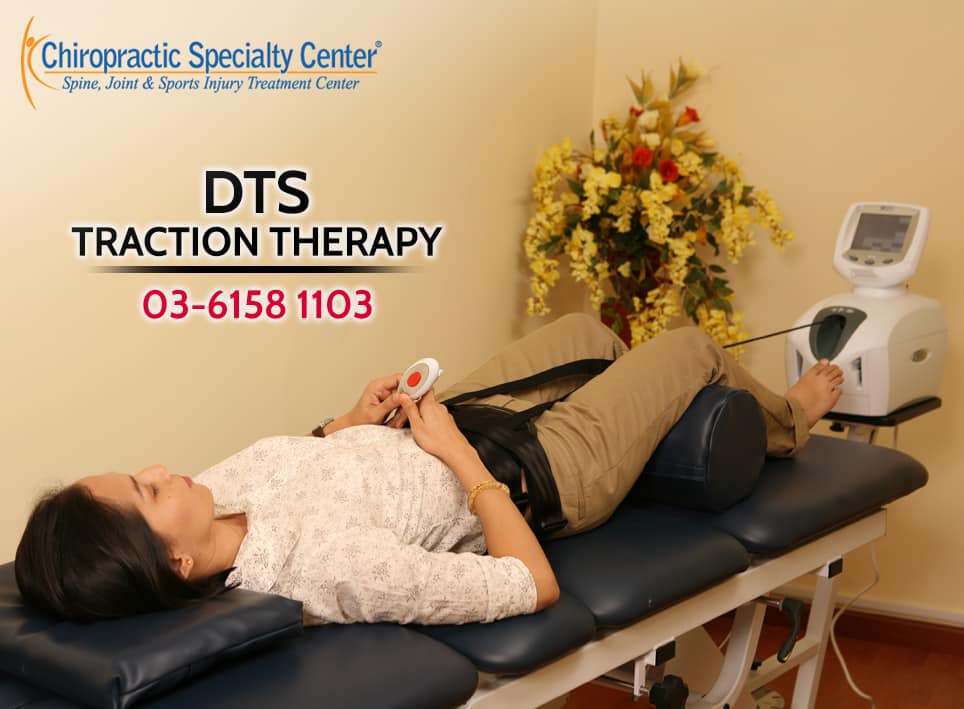
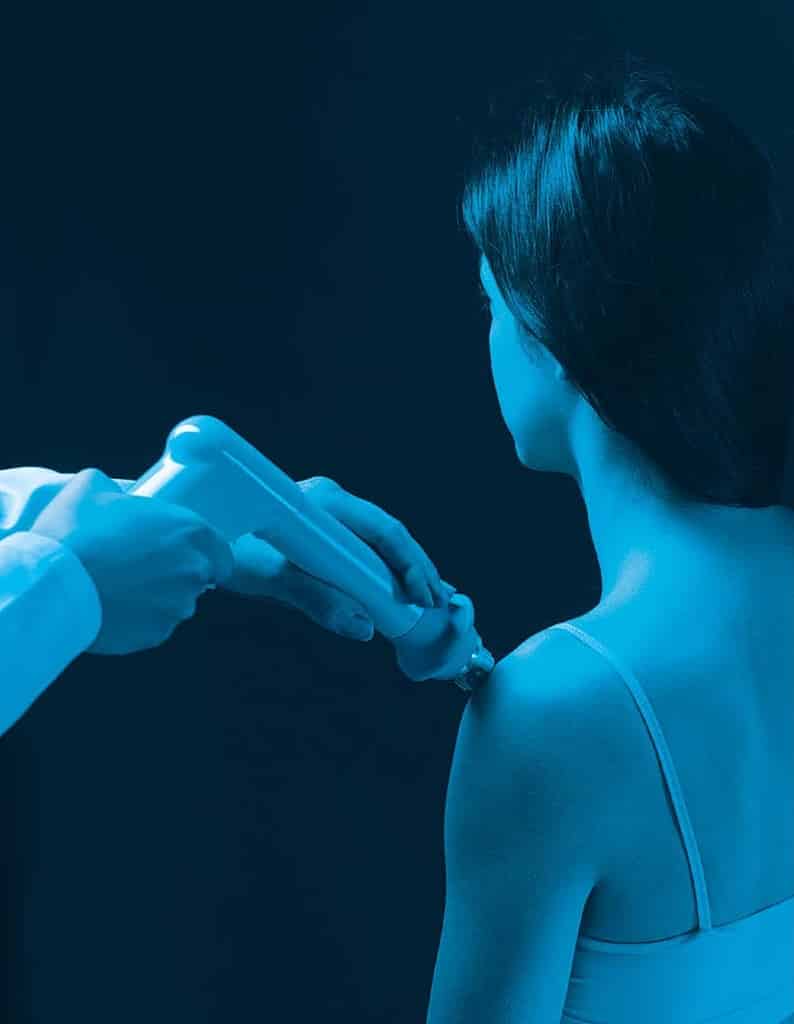
Therapy equipment such as shockwave therapy and RxDecom® spinal decompression is used alongside manual care and exercise, not instead of them. Equipment can help settle pain and irritability so that movement and loading become possible; it does not by itself replace assessment, education or active rehabilitation. For problems such as back pain, neck pain and slipped discs, the plan combines equipment, chiropractic methods and physiotherapy according to the findings.
How to Choose a Spine and Joint Care Center
Visit the center and discuss your concerns with the clinicians. Ask how they assess and manage problems like yours, which methods and equipment they use and why, and how progress will be reviewed. Every patient should understand the plan and the reasoning behind each part of it before care begins.
Care Built Around the Assessment
Chiropractors and physiotherapists at the centers work together on individual plans for back and neck pain, sports injuries and spinal disc problems. Care is aimed at the mechanics behind the symptom as well as the symptom itself, and it is adjusted as the response becomes clear. More detail is on the page for chiropractic in Kuala Lumpur.
What Contributes to Spinal Disc Problems
- Prolonged sitting in poor postures
- Repetitive bending or twisting
- Postural habits such as forward head posture
- Age-related degenerative changes
- Neglected mild pain that becomes long-standing
- Poor lifting technique or sports injuries
Changes in the outer layer of the disc (the annulus fibrosus) can allow bulging or herniation, and disc changes often accompany degeneration with age. Non-surgical care aims to reduce load on the affected segment and restore movement and muscle support around it.
NSD Therapy® for Disc Problems
NSD Therapy® is the name for the centers’ combination of spinal decompression, chiropractic, physiotherapy and exercise for disc-related neck and back pain. It is a method rather than an outcome, and whether it suits a person depends on the assessment.
Can a Slipped Disc Improve Without Surgery?
Many disc problems improve without surgery, and material that has herniated through the disc wall often reduces over time. Non-surgical care aims to improve mobility and spinal stability while the disc settles, using gentle chiropractic methods, physiotherapy-guided rehabilitation, spinal decompression where appropriate and targeted strengthening. Surgery remains an option when it is needed, but for most people it is a distant last resort. Because each case is different, proper evaluation comes before care.
What the Evidence Asks For, in Order
Every method listed on this page sits inside a sequence, and that sequence starts with the least invasive care.
Non-drug care comes first. This holds whether the problem is new or long-standing. Manual therapy sits alongside the other first-line options rather than above them: a systematic review and meta-analysis found spinal manipulative therapy produces effects similar to other recommended therapies for chronic low back pain (Rubinstein SM, et al. BMJ. 2019;364:l689). Exercise belongs in the plan from the beginning, not as a reward for improving (Hayden JA, et al. Cochrane Database Syst Rev. 2021;9(9):CD009790).
Where Passive Treatment Fits
Several methods on this page are passive: you lie still and something is applied to you. They have a real place, which is to reduce guarding and pain enough that you can move and load the area properly. They are the window, not the work. If a course of care anywhere consists only of passive treatment, with no exercise and no change to how you sit, lift or sleep, the part that produces durable change is missing.
How Long a Plan Should Run Before It Is Reviewed
A reasonable non-surgical plan is reviewed at four to six weeks. If nothing has shifted by then, the question is whether the diagnosis is right, whether the loading has actually changed outside the clinic, or whether imaging or a specialist opinion is now warranted.
The Findings That Change the Order
Whichever of these treatments is used for back or leg pain, get urgent medical attention, a thorough assessment by a competent clinician the same day, if you develop new or worsening numbness around your genitals, between your genitals and anus, or around your anus. New difficulty passing urine, or any loss of bladder or bowel control, needs the same urgent assessment. These symptoms can have several causes. Some may call for an invasive procedure, but assessment helps determine which care options are appropriate and does not automatically mean you need surgery. Progressive weakness in a limb should not be ignored and should be assessed promptly by a competent provider; conservative care may still be a reasonable route once that assessment is done. Pain after significant trauma, fever or unexplained weight loss calls for medical assessment first.
Methods Used at the Centers
Chiropractic Specialty Center has focused on non-surgical spine and joint care since 2006. The methods below are used when the assessment supports them.

Peer-Reviewed Medical References
- Rubinstein SM, de Zoete A, van Middelkoop M, Assendelft WJJ, de Boer MR, van Tulder MW. Benefits and harms of spinal manipulative therapy for the treatment of chronic low back pain: systematic review and meta-analysis of randomised controlled trials. BMJ. 2019;364:l689.
- Hayden JA, Ellis J, Ogilvie R, Malmivaara A, van Tulder MW. Exercise therapy for chronic low back pain. Cochrane Database Syst Rev. 2021;9(9):CD009790.
- Wang CJ. Extracorporeal shockwave therapy in musculoskeletal disorders. J Orthop Surg Res. 2012;7:11.
- Speed C. A systematic review of shockwave therapies in soft tissue conditions: focusing on the evidence. Br J Sports Med. 2014;48(21):1538-1542.
The Author of Spine and Joint Treatment in KL: Methods Used at CSC
Spine and Joint Treatment in KL: Methods Used at CSC was written by Yama Zafer, D.C., who has 30+ years in chiropractic and physiotherapy and founded Chiropractic Specialty Center in Kuala Lumpur in 2006.
Last Updated: Spine and Joint Treatment: Methods Used at CSC
Spine and Joint Treatment: Methods Used at CSC was last reviewed and updated on October 3, 2026.
Share with others: