Eliminate Backaches & Lumbago
Backache and lumbago are common conditions suffered needlessly by millions. Chiropractic Specialty Center® (CSC) has been treating patients with backache and lumbago for 15 years. CSC’s integrative and collaboration through advanced therapy devices has produced fantastic results for all types of backaches, including those caused by slipped discs, spondylolisthesis, and spinal canal stenosis.
What Types Of Backaches & Lumbago Related Conditions Do We Specialize In
We are the leading chiropractic and physiotherapy center, specializing in the treatment of all types of back pains, from simple muscle spasms to ligamentous, spinal joints, and spinal disc disorders, including challenging conditions such as:
All kinds of slipped discs (bulging, prolapsed, protrusion, ruptures, herniation, extrusion & partially fragmented discs)
- Post-surgical pains & failed ailed back surgery syndrome
- Sciatica, sciatic nerve pain & sciatica-like pain syndromes
- Spondylosis, spondylolisthesis & spondylolysis
- Posterior facet syndrome, facet mediated pain (facet pain) & facet imbrications
- Osteoarthritis & bone spurs
- Spinal joint arthritis (facet arthritis)
- Spinal stenosis (spinal canal stenosis & intervertebral foraminal stenosis
- Spinal nerve impingement & compression
- Spinal cord compression or impingement
- Radiculopathy & radiculitis (tingling, numbness, burning, or pain down the legs)
- Spinal soft tissue injuries (muscles & ligaments)
- Sports injuries & whiplash injuries
CSC’s Integrative Back Pain Treatment: Chiro, Physio, Rehab & Therapeutic Devices
CSC is an award-winning chiropractic and physiotherapy center. Our clinical team of chiropractors and physiotherapists treat backaches and lumbago with evidence-based methods incorporating several manual techniques with treatments through specialized medical equipment. CSC is a fully equipped physiotherapy and chiropractic center. We have some of the most sophisticated medical and therapy equipment for spine and joints, including:
- Advanced spinal decompression by the RxDecom®
- High-intensity laser therapy
- Shockwave therapy
- Cryo-thermal therapy by QMD
- Spinal traction & DTS decompression therapy
- Flexion-distraction therapy
- Intersegmental traction therapy
- Electrotherapy (interferential, tens, Russian, nerve block)
- Therapeutic ultrasound=
Treatment via the therapy devices mentioned above depends on your diagnosis, overall health, and severity of your condition. Patients with chronic backaches, acute back injuries, or complicated spinal issues may require therapy using multiple devices to eliminate the source of pain.
This archive page of our website brings you a collection of articles published on our blog to help you understand What caused your back pain and what you need to do to eliminate them quickly with lasting relief. Please feel free to share any portion of posts related to backache and lumbago with friends and family.
Deadlifts load the spine in compression, and the spine tolerates compression well while it stays close to a neutral position. The research on lifting posture is less absolute than gym lore suggests. A rounded back is not automatically an injury and a straight one is not automatic protection.
What helps a slipped disc is mostly unglamorous. Finding the position that reduces the leg or arm symptoms within a minute or two and using it often. Walking within tolerance. Changing position before the back demands it. None of those are treatments, and together they achieve more in the first weeks than most things that are.
Chiropractic care for neck and back pain works on how the spinal segments share load through a day. When one segment loses movement, the segments next to it take more, and the ache usually appears in the compensating area rather than the restricted one. That is the reason the painful spot and the source are frequently in different places.
L3-L4 is the third and fourth lumbar vertebrae and the disc between them, in the middle of the lower back. The L4 nerve root leaving here supplies the front of the thigh and crosses the knee, so symptoms are felt in the thigh rather than the calf. Position often carries more information than the report.
L1-L2 is the first and second lumbar vertebrae and the disc between them, high in the lower back. The nerves emerging at this level supply the groin and the upper front of the thigh, so symptoms arising here appear there rather than in the calf or the foot, which is one useful clinical clue about the level.
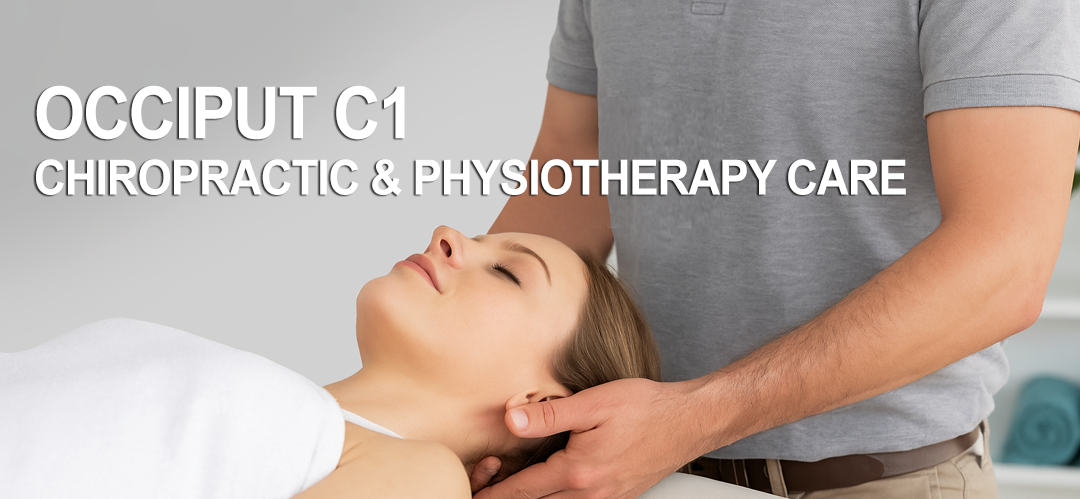
The occiput and atlas form the joint where the skull rests on the spine, and its function is nodding rather than turning. Yes-movements occur here; no-movements occur at the level below. That division is useful clinically, because a restriction in nodding and a restriction in turning point to different levels and call for different work.
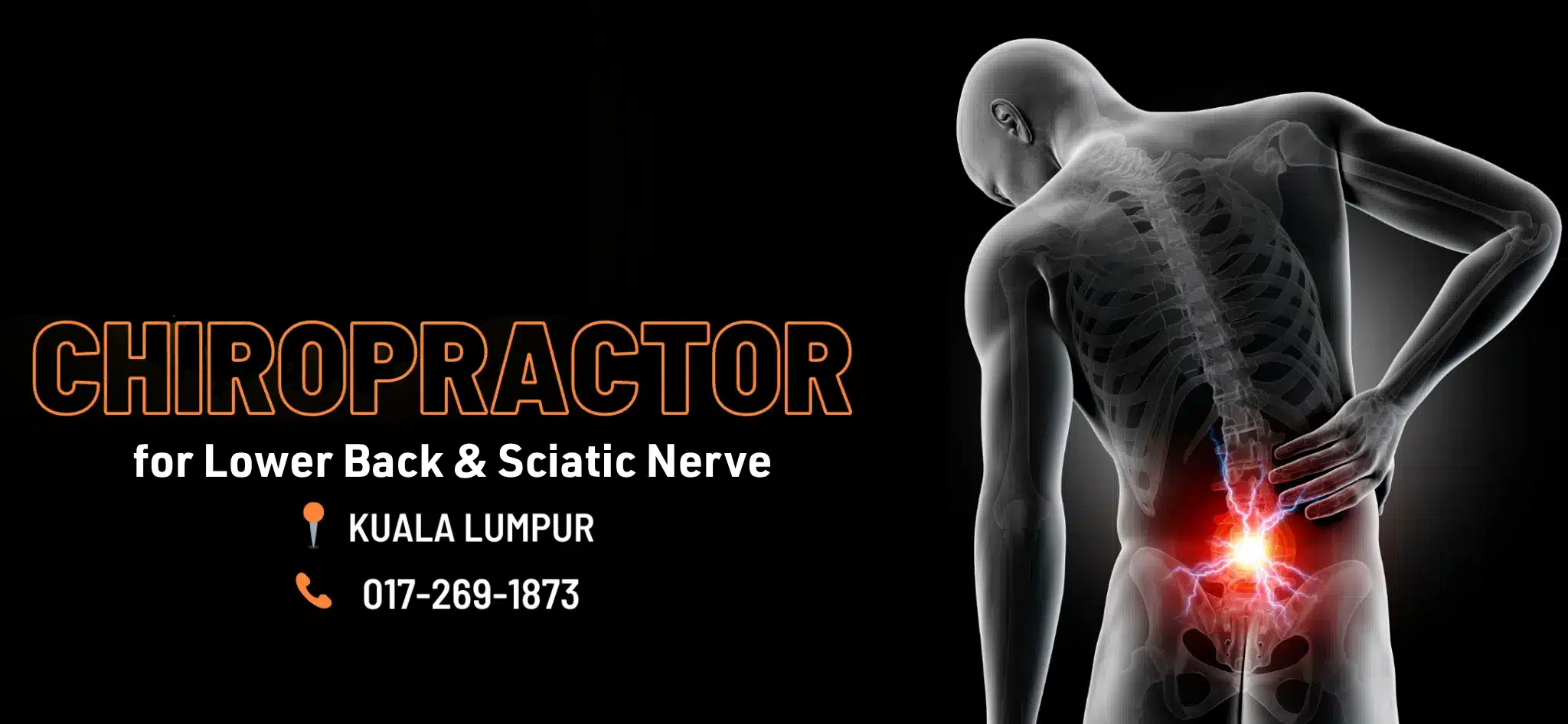
A chiropractor for back & sciatica works from one distinction above all others: whether the problem is back pain alone, or whether a nerve root is involved. Symptoms traveling below the knee, accompanied by numbness or weakness, indicate nerve involvement, and that changes the plan, the timeline and what is monitored.