

Spine and joint care begins with identifying which structures and movements are actually involved. Pain, stiffness, swelling, weakness or reduced function can arise from joints, spinal discs, nerves, muscles, tendons or ligaments, and the same symptom can have more than one explanation. A useful examination therefore looks at the whole movement pattern rather than treating the painful spot in isolation.
At CSC, chiropractic and registered physiotherapy may be used separately or together when their roles are relevant. Chiropractic addresses joint and spinal mechanics; physiotherapy focuses on movement, strength, tissue loading and rehabilitation. Exercise and selected therapy devices can be added when there is a clear reason for them. Referral remains part of good care when the findings fall outside a conservative musculoskeletal pathway.
This hub explains how spine and joint problems are assessed, how sports injuries and everyday movement problems fit into the same framework, and where to find detailed guides for the shoulder, elbow, wrist, hip, knee, foot and spine.
For more information about spine and joint care, contact the Bukit Damansara (KL) main center: WhatsApp+60 17 269 1873 Call+603 2093 1000
Key Takeaways for Spine and Joint Care
- Early care is simpler. Joint and spine problems that are left for a long time can become stiffer and harder to manage, so it is worth having persistent symptoms assessed.
- Start conservatively. For most mechanical spine and joint problems, gentle chiropractic methods combined with physiotherapy and rehabilitation are a reasonable first step; injections and surgery are a distant last resort.
- Look for what is driving the problem. Posture, repetitive strain and past injuries all play a part, and a detailed assessment works out which ones matter for you.
Assessment Before Treatment
Spine and joint problems are common in athletes, weekend exercisers and people who are not especially active. Preparation reduces risk: suitable equipment, warming up and training appropriate to your sport. When an injury does happen, having it assessed early usually means fewer compensations have had time to set in.
Chiropractors and physiotherapists working together cover more of the problem than either alone: the assessment is broader, and the plan addresses movement and strength as well as symptoms. Pain is a signal worth listening to rather than pushing through. It also helps to think past this week and plan for staying active over the long term.
In the short Spine and Joint Care in Kuala Lumpur video, Yama Zafer, D.C., explains that every case begins with a thorough assessment of how the spine and joints are functioning, and that the findings shape the plan that follows.
Arranging a Spine or Joint Assessment
To arrange an assessment for a spine or joint problem, see the Bukit Damansara contact page and the Bandar Sri Damansara contact page, or call either center directly:
- Bukit Damansara (KL, main center): Call +603 2093 1000 or WhatsApp +60 17 269 1873 to see the Bukit Damansara / KL center.
- Bandar Sri Damansara (KL): Call +603 6262 5777 or WhatsApp +60 12 455 6939 to see the Bandar Sri Damansara center.
Conditions Cared for at the Centers
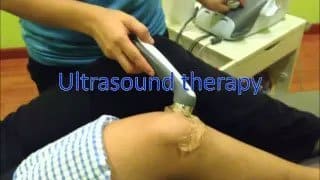
The centers provide non-surgical, non-invasive care for a wide range of musculoskeletal conditions, including neck and back pain, sciatica, spinal disc problems such as a slipped disc, scoliosis and sports injuries. Care also covers the shoulders, arms, wrists, hands, hips, knees and feet, with specific approaches for knee arthritis and acute knee injuries.
For hip problems such as osteoarthritis, hip bursitis and sprained hips, care combines chiropractic care and physiotherapy with therapy equipment such as shockwave where indicated. For the upper limb, including wrist pain, carpal tunnel syndrome and frozen shoulder, conservative methods aim to improve movement and reduce pain.
Why Neglected Injuries Matter
An injury that is ignored can become harder to manage. Over time, scar tissue, adhesions, weakness and joint changes can develop, and early joint changes are sometimes seen in otherwise healthy young adults after an old injury. Having an injury assessed and rehabilitated properly reduces that risk.
Where a previous course of care has not helped, it is worth asking what was tried, at what dose and for how long, because an incomplete program is a common reason a case stalls.
Joint and Sports Injuries Often Involve Several Structures
Joint and sports injuries often affect several structures at once: muscles, ligaments, tendons, joint capsules, bursae and, in the spine, the discs. The physiotherapists and chiropractors assess each of these, and the plan is built around the specific diagnosis and recovery goals, whether the problem is a sports injury, scoliosis or a slipped disc.
Why a Combined Plan Covers More
When care addresses only one part of a problem, stability can be incomplete. Physiotherapy alone may improve the muscles and ligaments while a restricted joint remains; chiropractic alone may restore joint movement without rebuilding the strength that keeps it stable. A plan that addresses the muscles, ligaments, joints and connective tissue together covers more of what is driving the problem.
Preventing the next injury is mostly about preparation rather than caution: maintaining strength, posture and movement control reduces the risk of recurrence.