


Tinnitus: When Neck and Jaw Function Play a Part
Tinnitus is the perception of sound without an external source, most often described as ringing, buzzing or hissing. In the majority of cases the origin lies within the hearing system, which is why audiological assessment comes first. In a smaller group the neck or the jaw contributes, and there is a recognized marker for that subgroup.
It is called somatic modulation: the sound changes when the jaw is clenched, the jaw joint is pressed, or the head is turned. Where that occurs, the cervical spine and the temporomandibular joint are worth examining alongside, not instead of, an ear assessment.
Tinnitus is the perception of ringing, buzzing, or hissing without an external sound. In some people the neck and the jaw contribute to it, which is why an assessment looks at those structures alongside, not instead of, an ENT review. Where the neck or jaw is involved, CSC's targeted chiropractic with physiotherapy and focused upper-neck and jaw exercises are the conservative options considered, using non-forceful techniques.
This guide to tinnitus, and when neck and jaw function play a part, is published by Chiropractic Specialty Center, Bukit Damansara (KL) main center: WhatsApp+60 17 269 1873 Call+603 2093 1000
Takeaway: 3 Key Insights on Tinnitus Care
- Neck & Jaw Connection: Upper cervical segments (C0-C1 through C3-C4) and TMJ function can influence tinnitus through nerve and circulation pathways.
- Safe, Gentle Methods Work Best: Non-rotatory, targeted adjustments and physiotherapy can help manage symptoms without risking structural strain.
- Avoid Forceful Traction: Aggressive neck pulls (Ring Dinger®, Y-strap, towel jerks) may worsen tinnitus by overstressing delicate tissues.
How the Upper Neck & Jaw Relate to Tinnitus
Tinnitus often has links to the upper cervical spine and jaw (TMJ) function, where nerve, muscular, and vascular pathways influence auditory perception.
- The C0-C1 segment affects brainstem and vertebral artery circulation.
- The C1-C2 region plays a role in proprioception and neural input to the ears.
- C2-C3 and C3-C4 can contribute to muscular tension and referred sensations to the head and ears.
- TMJ misalignment or muscle tension can amplify tinnitus by altering nerve conduction near the ear.
For in-depth anatomy, see:
Why We Avoid Aggressive Neck Pulls for Tinnitus
Forceful methods like the Ring Dinger®, Y-strap pulls, and towel jerks apply high-velocity traction to the neck. For tinnitus sufferers, these may:
- Overstretch ligaments at the cranio-cervical junction
- Alter vertebral artery blood flow
- Irritate cervical nerves that connect to the auditory system
Our non-rotatory, gentle, and targeted chiropractic technique or approach prioritizes stability and precise joint mobility without aggressive manipulation. Learn more in our detailed article on Ring Dinger® Neck Pull Risks.
Non-Invasive Methods for Tinnitus Care
At CSC, our tinnitus care is tailored to address both structural and functional factors:
- Gentle upper cervical mobilizations to reduce muscle tension
- TMJ balancing techniques to ease jaw strain
- Physiotherapy for posture, circulation, and nerve health
- Sound therapy strategies to mask or reduce perception of tinnitus
Top 3 Effective Care Approaches for Tinnitus Management
Here are the top 3 approaches to managing tinnitus:
- Chiropractic Care in KL: By addressing musculoskeletal misalignments and tension in the neck and jaw or TMJ issues, chiropractic care can help alleviate symptoms of tinnitus.
- Natural Sound Therapy: Sound therapy, such as using background noise or white noise, can help mask tinnitus sounds and provide relief for sufferers.
- Physiotherapy: Targeted physiotherapy techniques help to reduce muscle tension and stress, which can contribute to tinnitus symptoms.
Contact CSC for Tinnitus Care and Guidance
If you're struggling with tinnitus, CSC is here to help. Our experienced team offers natural, non-invasive care options designed to reduce symptoms and improve ear health. Contact our main center in Bukit Damansara today to learn more about how our chiropractic and physiotherapy approaches can make a difference in your tinnitus management journey.
Tinnitus Care Through Integrated Non-Invasive Methods
Tinnitus, commonly described as ringing or buzzing in the ears, may result from structural influences in the middle ear or inner ear. Tinnitus related to middle ear function is generally not associated with hearing loss and often responds well to structured care strategies. In contrast, persistent tinnitus may involve the inner ear, requiring a more comprehensive approach to management.
Distinguishing Between Tinnitus and Meniere’s-Related Conditions

Although tinnitus and Meniere’s-related concerns share similarities, they differ in their underlying causes and associated symptoms.
Tinnitus:
- Characterized by ringing, buzzing, or persistent auditory sensations.
- May occur with or without hearing changes.
- Often associated with mechanical or circulatory influences in the middle ear.
Meniere’s-Related Conditions:
- Involves a combination of balance concerns, tinnitus, and hearing changes.
- Affects the inner ear, impacting both balance and auditory function.
- Symptoms may include dizziness, ear fullness, and fluctuating hearing ability.
Common Sound Perceptions in Tinnitus and Meniere’s-Related Conditions
Individuals experiencing tinnitus or Meniere’s-related concerns may report:
- Ringing, buzzing, or whistling sensations.
- Descriptions of roaring, rushing water, or escaping air sounds.
- Persistent auditory disturbances that may interfere with daily activities.
Non-Invasive Care for Tinnitus and Meniere’s-Related Conditions
Tinnitus linked to middle ear function often responds well to conservative, non-invasive methods. Care strategies may focus on assisting circulation, reducing structural stress, and addressing musculoskeletal imbalances that contribute to symptoms.
For cases involving inner ear function, targeted approaches integrating physiotherapy-based techniques may assist in overall well-being. However, research on non-invasive methods for Meniere’s-related conditions remains limited.
A comprehensive assessment can help determine contributing factors and develop a structured non-invasive approach.
The Relationship Between Tinnitus, Jaw (TMJ) Function, and Neck Structure
Tinnitus may be associated with structural influences in the jaw (TMJ) or upper neck, affecting nerve function and auditory perception.
Jaw (TMJ) and Tinnitus Connection
- A study in Frontiers in Neuroscience found that nearly 40% of TMJ-related conditions are linked to tinnitus.
- Structural misalignment or muscular dysfunction in the jaw may affect nerve pathways involved in auditory processing.
Upper Neck Influence on Tinnitus Sensations
- Research in the American Journal of Otolaryngology identified upper cervical influences as potential contributors to tinnitus.
- The British Tinnitus Association recognizes the relationship between neck and jaw function in tinnitus, emphasizing the importance of assessing these structures.
Structured, Non-Invasive Methods for Assisting Tinnitus and Meniere’s-Related Conditions
oth tinnitus and Meniere’s-related concerns may benefit from targeted care strategies:
- Tinnitus: Often linked to mechanical influences in the middle ear, jaw, or neck. Addressing these factors may help reduce symptoms.
- Meniere’s-Related Conditions: Characterized by balance concerns, tinnitus, and auditory fluctuations. Comforting neck and jaw function may assist in symptom management.
Common Influences on Tinnitus Sensations
Tinnitus may result from a variety of structural and functional factors, including:
- Middle Ear Sensitivity: Mechanical influences affecting sound transmission.
- Inner Ear Function: Sensorineural influences affecting auditory processing.
- Jaw and Neck Influence: TMJ-related concerns or upper cervical structural changes may contribute to auditory sensitivity.
- Medication Side Effects: Some medications may influence auditory perception.
- Systemic Influences: Certain circulatory or metabolic conditions may be associated with tinnitus-related symptoms.
Structured Strategies for Tinnitus Care
Addressing jaw and neck function, along with related contributing factors, may provide care for auditory function.
A thorough assessment and targeted care strategies ensure that non-invasive approaches focus on underlying influences rather than symptom management alone.
Early Evaluation for Tinnitus Care
Individuals experiencing tinnitus sensations may benefit from a structured evaluation of:
- Skull base and cervical function
- Jaw (TMJ) alignment and movement patterns
- Middle and inner ear function
A comprehensive, non-invasive approach helps determine the most suitable methods for assisting auditory health and function.
Understanding Tinnitus, Meniere’s-Related Concerns, and Auditory Function
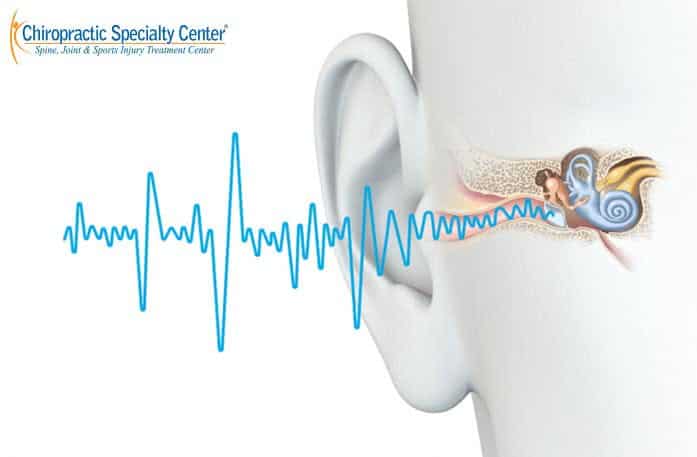
Tinnitus and Meniere’s-related conditions are among the most commonly reported auditory concerns. These issues may be associated with two primary types of hearing function changes:
- Sensorineural Influences: Linked to inner ear adaptations affecting auditory processing.
- Conductive Influences: Related to structural concerns in the middle ear, which may influence sound transmission.
Other potential factors influencing hearing function include age-related changes and exposure to loud environments. Some research suggests that the brain may compensate for changes in auditory signal processing by generating phantom sound perceptions, contributing to tinnitus-related sensations.
A timely assessment can help identify contributing influences and determine structured strategies to care auditory health and function.
The Importance of Early Care for Tinnitus-Related Sensations
Addressing tinnitus-related concerns early may help minimize the likelihood of long-term auditory challenges. If left unaddressed, persistent tinnitus may contribute to:
- Increased difficulty processing sound in noisy environments.
- Changes in auditory perception that may not always be detected using conventional tests.
A structured assessment helps determine the underlying influences and ensures that care strategies are directed toward assisting auditory function and well-being.
Non-Invasive Strategies for Assisting Tinnitus
Structured, non-invasive approaches focus on identifying and addressing underlying factors contributing to tinnitus-related concerns. These methods do not rely on medications or invasive procedures but instead aim to care auditory function through targeted care.
Early and structured management may help reduce the likelihood of long-term auditory challenges while improving daily comfort and function.
Middle Ear Obstructions and Their Impact on Auditory Function
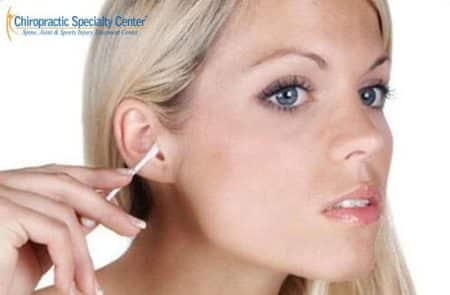
Blockages in the ear canal may contribute to pressure changes, affecting middle ear function. Common influences that may contribute to auditory disturbances include:
- Loose hair within the ear canal
- Excessive earwax accumulation
- Small foreign objects or debris affecting sound transmission
If ear obstructions come into contact with the eardrum, they may lead to ringing sensations, fullness in the ears, or auditory disturbances. Removing these obstructions may help reduce symptoms, but prolonged exposure may lead to structural changes in the ear, highlighting the importance of early assessment.
Tinnitus and Its Association With Head and Neck Sensitivity
Tinnitus may develop following head or neck structural adaptations, affecting muscles, nerves, or circulation. Individuals with tinnitus linked to structural concerns may report:
- Increased intensity of ringing sensations.
- Variations in sound perception based on head or neck positioning.
- Symptoms occurring alongside neck or jaw pain.
When tinnitus develops due to structural influences in the head, neck, or jaw, it is often referred to as somatic tinnitus. A comprehensive evaluation of jaw alignment, cervical posture, and muscular sensitivity is recommended for individuals with these symptoms.
The Relationship Between Jaw Function, Tinnitus, and Meniere’s-Related Sensations
Changes in temporomandibular joint (TMJ) function may contribute to tinnitus-related concerns. The TMJ is positioned near the auditory system, and structural adaptations affecting its cartilage, ligaments, or muscular function may influence auditory perception.
Common Indicators of TMJ-Related Tinnitus:
- Jaw or facial sensitivity.
- Changes in jaw movement comfort.
- Clicking or popping sensations while chewing or speaking.
Since the jaw and auditory system share nerve pathways, a thorough TMJ assessment is essential for individuals experiencing tinnitus alongside jaw-related concerns.
The Role of Barometric Influences and Sinus Pressure in Tinnitus
Nasal congestion, sinus concerns, or respiratory influences may contribute to pressure changes in the middle ear, often leading to temporary auditory disturbances such as ringing sensations or a feeling of fullness.
Potential Influences on Middle Ear Function:
- Sinus Sensitivity: Respiratory conditions or congestion may affect middle ear pressure.
- Barometric Adjustments: Changes in altitude or environmental pressure during flying, diving, or snorkeling may impact middle ear function.
- Exposure to Sudden Pressure Shifts: Intense pressure changes, such as those from explosive sounds or rapid altitude variations, may influence auditory perception.
Individuals experiencing frequent sinus concerns or a history of barometric exposure may benefit from a structured assessment of the head, neck, and auditory structures to determine appropriate recovery strategies.
Medication Side Effects and Their Impact on Auditory Sensations
Certain medications may contribute to ringing sensations in the ears or auditory disturbances as a side effect, a phenomenon referred to as ototoxicity. While some medication-related tinnitus cases may be temporary, certain medications may lead to long-term auditory adaptations.
Common Ototoxic Medications Include:
- Quinine-based medications
- Non-steroidal anti-inflammatory drugs (NSAIDs)
- Certain chemotherapy medications
- Specific antibiotic formulations
- Diuretics and water-regulating medications
If there is concern that a medication may be influencing auditory perception, it is important to consult with the prescribing physician before making any changes. Medication adjustments should only be made under professional guidance to ensure that the benefits and risks of ongoing care are properly evaluated.
Conditions That May Present With Tinnitus-Like Sensations
Tinnitus may occasionally be linked to systemic or neurological influences, though it does not necessarily indicate an underlying condition. A thorough assessment of related structures, including the neck, jaw, and middle ear, can help determine whether additional factors may be involved.
Potential Contributors to Tinnitus Sensations:
- Circulatory influences
- Metabolic variations
- Vestibular function influences
- Psychosomatic conditions
- Autoimmune-related conditions
- Rare structural conditions
A structured assessment helps determine potential contributors to tinnitus-related concerns, ensuring that care strategies are directed toward the underlying influences rather than just symptom management.
Non-Invasive and Holistic Approaches for Tinnitus Care
Integrative, non-invasive approaches focus on identifying and addressing underlying factors that may be influencing auditory perception. A thorough evaluation by trained professionals helps determine the most suitable approach for assisting auditory function.
By considering structural, neurological, and circulatory influences, a comprehensive, structured approach may help optimize recovery strategies. Individuals seeking long-term, non-invasive solutions for auditory concerns may benefit from a timely evaluation and a personalized care plan.
Care in Bandar Sri Damansara
Not everyone in the city can reach Bukit Damansara easily. You can read about CSC Bandar Sri Damansara. That center provides chiropractic together with physiotherapy.
The address, telephone number and opening hours are listed on directions and hours for Bandar Sri Damansara. Travel details for the main center are on directions and hours for Bukit Damansara.
Contact the Nearest Chiropractic Specialty Center in KL for Tinnitus Care
Your Path to Tinnitus Care in KL - Gentle, Non-Invasive Neck & Jaw Methods
At CSC, our Tinnitus: When Neck and Jaw Function Play a Part focuses on addressing ringing or buzzing in the ears through safe, targeted strategies. This approach reduces contributing factors such as muscle tension, spinal misalignment, and stress, which may influence auditory perception. By combining chiropractic, physiotherapy, and sound-based care, we create personalized plans that improve comfort and overall ear health without aggressive or forceful techniques.
Summary Table (above FAQ)
| Factor | Potential Influence on Tinnitus | CSC’s Non-Invasive Strategy |
|---|---|---|
| Upper Cervical Misalignment | May alter nerve and blood flow to auditory pathways | Gentle, non-rotatory adjustments |
| TMJ Dysfunction | Can irritate nerve pathways near the ear | Targeted jaw balancing & muscle work |
| Muscular Tension | May refer sensation to ear structures | Manual physiotherapy & stretching |
| Poor Posture | Increases neck strain and vascular compression | Postural correction & ergonomic training |
| Aggressive Neck Traction | May worsen tinnitus or cause new symptoms | Avoided entirely in favor of safe methods |
Planning a visit? You can review the current chiropractic price in Kuala Lumpur and physiotherapy fees in Kuala Lumpur before you come in.
FAQ: Gentle Tinnitus Care in KL
Can neck problems really cause tinnitus?
Yes. Upper cervical misalignments or muscular tension can impact nerves and blood flow connected to the auditory system, influencing tinnitus sensations.
Is chiropractic safe for tinnitus?
When performed with gentle, non-rotatory methods, chiropractic can be part of a safe, integrative tinnitus care plan.
Should I avoid the Ring Dinger® if I have tinnitus?
Yes. Aggressive traction methods may worsen symptoms; our approach avoids these in favor of safer, targeted care.
Peer-Reviewed Reference Sources for Our Tinnitus Care in KL
- Tunkel DE, Bauer CA, Sun GH, et al. Clinical practice guideline: tinnitus. Otolaryngol Head Neck Surg. 2014;151(2 Suppl):S1-S40.
- Baguley D, McFerran D, Hall D. Tinnitus. Lancet. 2013;382(9904):1600-1607.
- Ralli M, Greco A, Turchetta R, Altissimi G, de Vincentiis M, Cianfrone G. Somatosensory tinnitus: current evidence and future perspectives. J Int Med Res. 2017;45(3):933-947.
- Michiels S, Van de Heyning P, Truijen S, De Hertogh W. Diagnostic value of clinical cervical spine tests in patients with cervicogenic somatic tinnitus. Phys Ther. 2015;95(11):1529-1535.
- Michiels S, Van de Heyning P, Truijen S, Hallemans A, De Hertogh W. Does multi-modal cervical physical therapy improve tinnitus in patients with cervicogenic somatic tinnitus? Man Ther. 2016;26:125-131.
These references describe tinnitus and its assessment and conservative management, including cervicogenic (somatic) tinnitus in general. None of them evaluates a care program at Chiropractic Specialty Center. Every reference above can be checked by its DOI or its publisher record.
The Author of Tinnitus and the Neck: How the Link Is Assessed
Tinnitus and the Neck: How the Link Is Assessed was written by Yama Zafer, D.C., who has 30+ years in chiropractic and physiotherapy and founded Chiropractic Specialty Center in Kuala Lumpur in 2006.
Last Updated: Tinnitus: When Neck and Jaw Function Play a Part
Tinnitus: When Neck and Jaw Function Play a Part was last reviewed and updated on September 24, 2026.
Hi! Do you have clinic in Penang? Thank you.
No, there is no center in Penang. The two Kuala Lumpur centers are in Bukit Damansara, the main center, and Bandar Sri Damansara.
More useful than that answer is how to judge a practitioner in Penang, since that is the practical decision in front of you. Five things are worth checking, and they apply to any clinic anywhere in Malaysia.
Registration. Chiropractic in Malaysia falls under the Traditional and Complementary Medicine framework administered by the Ministry of Health, and practitioners are expected to be registered accordingly. Physiotherapists are separately registered as allied health professionals. Asking directly which registration a practitioner holds is a fair question and a reasonable practice will answer it without hesitation.
Whether the first visit is an examination. A first appointment should establish what is wrong before anything is done to you: history, physical examination, and where indicated, neurological testing. If treatment begins before that, or if the same treatment is applied to everyone who walks in, that tells you something.
What the plan progresses to. Care that consists of the same session repeated indefinitely is a poor sign. A reasonable plan moves from settling symptoms to restoring movement to strengthening, and the strengthening phase is the one most often skipped and the most common reason problems return.
How packages are handled. Be cautious about committing to a large prepaid course before an examination has been done and before you have seen how you respond to the first few sessions. Optional packages are normal; required ones before assessment are not.
What they say about the limits. A practitioner who says which situations they would refer on, and who names the signs that mean you should seek medical care instead, is describing how they actually practice. Anyone who claims to treat everything, or promises a cure, is telling you something different.
If a Penang clinic satisfies those, local care attended consistently will serve you better than occasional visits after a long journey.
Mild tinnitus felt in quiet indoors, been worsening ever since neurosurgery three years ago. Brain tumor schwannoma 3.5 removed, currently 1.5. Stable at present, as it was noted from the last three MRIs. Could it be due to the residual tumor, a complication of the surgery, etc.? Also, I have a left vocal cord palsy due to surgery, got an implant there. Born with single-sided hearing loss, and my right ear is deaf. I'm 55. Please advise on tinnitus, preventive and precautionary measures. Thank you, Dr
This belongs with your neurosurgeon and your audiologist rather than with a spinal practice, but there are things worth knowing before that appointment.
On whether the residual tumor explains it: tinnitus that persists or worsens after surgery for a vestibular schwannoma is common and well documented, and it occurs even where the tumor has been removed completely. The nerve carrying hearing is affected both by the tumor itself and by the surgery around it, and the brain's response to reduced or altered input from that ear is what generates the sound. So the tinnitus on its own is not evidence that the residual portion is doing anything. Three MRIs showing stability is the finding that speaks to that question, and it is the reassuring one.
What would genuinely warrant prompt review is change in the other direction: new or increasing facial weakness or numbness, new or worsening unsteadiness, a drop in hearing on your better side, worsening swallowing or a change in your voice beyond what the implant already addresses, or persistent new headache. Those are the signs that should trigger a call rather than a wait for the next scheduled scan.
Two things in your history deserve more attention than the tinnitus itself.
Your hearing is effectively single-sided, and that ear is now doing all the work. Protecting it matters more than in most people: annual audiological review, proper hearing protection around loud environments, and telling any doctor prescribing for you that you have single-sided hearing, since some medications carry a risk to the inner ear that would ordinarily be acceptable and in your situation is not.
The vocal cord palsy indicates the lower cranial nerves were involved. Swallowing safety is worth reviewing periodically with a speech and language therapist even years afterward, particularly if you notice coughing on drinking or a sensation of food catching.
For the tinnitus itself, the useful routes are audiological: assessment of what your better ear is doing now, hearing rehabilitation options for single-sided hearing, sound enrichment for the quiet indoor environments where you notice it most, and structured approaches to reduce the distress it causes, which have the strongest evidence of anything available.
One narrow point where an examination here could be relevant. Surgery of this kind involves the muscles at the back of the skull and upper neck, and persistent tightness and tenderness there is common afterward. If pressing those muscles, clenching your jaw, or turning your head to the end of its range changes the pitch or loudness of the sound, there is a somatic component sitting on top of the rest, and treating the neck and jaw may reduce that part. If nothing you do changes the sound, that route will not help you.
Hi! Do you have a clinic in Seremban? Thank you.
No, there is no center in Seremban. From Seremban, the Bandar Baru Bangi center is the nearest by a reasonable margin.
Whether that trip is worth making depends on the problem, and it is worth being honest about the distinction rather than encouraging the journey either way.
Straightforward mechanical neck or back pain, a recent strain, or a joint problem in an arm or leg does not usually justify regular travel. These respond to consistent, frequent care, and a course that requires an hour on the road each way tends to be abandoned halfway through, which is worse than a nearer option seen properly. Local care that you will actually attend beats better care that you will not.
Travel is more often worthwhile in two situations. Where a problem has already failed a reasonable local attempt and you want a genuine reassessment rather than more of the same. And where the presentation is complex enough that combined chiropractic, registered physiotherapy, and supervised rehabilitation in one place changes what can be done, rather than a treatment room alone.
If you decide it is worth a visit, come once with everything: imaging as images rather than only reports, specialist letters, a list of medication and what each one changed, and a note of what makes symptoms better and worse across a day. One thorough assessment visit is far more useful than several partial ones spread over months.
I have full pressure in my right ear. I got it after having a severe headache. Now headache is good, but the hearing muffled set in, till now been 2 weeks. Previously also have this issue but not a headache. It set in after I got the flu and taken medicine. The flu is gone, the hearing issue is still there. I need fast treatment. Any medicine can courier to me? Or any branch in Johor or Singapore?
Two weeks of muffled hearing with fullness in one ear needs an ENT doctor now, not a course of treatment and not a wait. That is the whole of the important part of this reply, and the reason is a time limit rather than an alarm.
Hearing loss that comes on suddenly falls into two categories that feel identical to the person experiencing them. One involves fluid or pressure behind the eardrum, which is common after flu, usually settles, and is not urgent. The other involves the inner ear, and that one is treated as an emergency because treatment is most effective when started within the first days and the benefit falls away over the following weeks. Only a hearing test with the eardrum examined can separate them. You are already two weeks in, which is why this should be today or tomorrow rather than next month.
Ask specifically for an audiogram and tympanometry. Those two tests together will tell you which of the situations you are in, and they take very little time.
On medication, nothing can be couriered to you. Medication is prescribed by a doctor who has examined you, and no responsible practice sends medicine to someone it has not assessed. Any service willing to do so should be avoided.
On locations, there are no centers in Johor or Singapore. The two Kuala Lumpur centers are in Bukit Damansara, the main center, and Bandar Sri Damansara. In any case, traveling for spinal care is not what this problem calls for. An ear examination and a hearing test locally are.
Once the ear has been assessed and any urgent cause excluded, if a persistent blocked sensation remains and it changes with jaw movement or neck position, that is a separate question worth looking at. But it comes after the ENT assessment, not instead of it.
Dear Dr,
I have Tinnitus with Meniere's disease for the past 5 years. I have seen many doctors for treatments, but it has not cured my issue. Nowadays, I can't hear low-range sounds. Will your treatment help me?
A direct answer first, because five years of being told otherwise deserves one. There is no chiropractic or physiotherapy treatment for Meniere's disease. It is an inner ear disorder, its management belongs with an ENT specialist, and anyone offering to treat it with spinal care is overstating what they can do. No one can offer you a cure for it either, and a practitioner who does should be treated with caution.
What you describe fits the condition as it is usually documented. Hearing loss in Meniere's characteristically begins in the low frequencies, which is exactly what you have noticed, and it typically fluctuates before settling into a more permanent loss over years. So the change you are reporting is the expected course rather than a sign that something has been missed.
Given that, the two most useful steps available to you are both audiological rather than manual. First, a current hearing assessment, because five years in, the pattern and degree of loss determine what can be done about it. Second, a hearing aid assessment. Low-frequency loss is amenable to amplification, and for many people restoring the missing input also makes the tinnitus less prominent, since a substantial part of tinnitus perception is the brain compensating for what it is no longer receiving. That is the single most practical thing in this reply.
Alongside that, ENT management of Meniere's has established components worth reviewing with your specialist if they have not been covered: dietary salt reduction, medication options, and vestibular rehabilitation to improve balance function between attacks. Where attacks continue despite those, there are further interventions delivered by ENT.
There is one narrow area where an assessment here could be relevant, and it is worth stating precisely so it is not oversold. Some tinnitus can be modulated by the neck and jaw, and a straightforward test tells you whether yours is in that group: clench and open the jaw, press the muscles at the side of the neck, and turn the head fully. If the sound's pitch or loudness changes, there is a somatic component sitting on top of the Meniere's, and treating the neck and jaw may reduce that part of it. If nothing changes the sound, then it will not help, and I would rather tell you that now than after a course of treatment.
Neck-related dizziness can also coexist with Meniere's and add to the unsteadiness, which is a separate question an examination can answer. But that is an addition to ENT care, not a replacement for it.
See a doctor promptly rather than waiting if you experience a sudden further drop in hearing, since sudden hearing loss is treated urgently and the window for treatment is short.
You have office in Shah Alam?
Yes. There are two centers in the Shah Alam area, at Setia Alam and at Kota Kemuning, and both provide chiropractic and registered physiotherapy. Addresses, direct telephone numbers, and current opening hours for each are on the contact pages of this site.
Two practical points before you go. Book rather than walk in if the visit is a first one, because an initial appointment needs a full assessment slot rather than a gap between bookings, and being seen properly the first time saves a second trip. And bring any existing imaging with you as images rather than only the typed report, along with any specialist letters and a list of current medication. Reviewing what has already been done, and how it worked, usually shortens the path to a plan considerably.
If you say what the problem is when you call, how long it has been going on, and whether you have imaging, the right amount of time and the right practitioner can be reserved for you.
I have tinnitus for the past 30 years. Of late it is getting more noticeable
The important part of your message is not the thirty years. It is the recent change. Tinnitus that has been stable for decades and has become more noticeable lately deserves a hearing test and an ENT assessment, because the change is new information and the tinnitus itself is not.
Some changes need assessing sooner rather than at leisure. Tinnitus in one ear only, sound that pulses in time with your heartbeat, a sudden drop in hearing, new dizziness or unsteadiness, or numbness in the face. Any of those should be seen promptly.
Where none applies, the usual explanations for a long-standing tinnitus becoming louder are ordinary ones and several are correctable. Gradual hearing loss is the most common by a wide margin, and the brain compensating for reduced input is what makes the internal sound more prominent. Wax occluding the ear canal does the same thing and is quickly excluded. Medication is a frequent and overlooked cause, including regular aspirin, some antibiotics, and some diuretics, so it is worth reviewing what you have started or increased in the last year. Blood pressure, poor sleep, and sustained stress all raise the perceived loudness without changing the underlying cause.
There is one situation where a neck and jaw assessment is genuinely relevant, and a simple test tells you whether you are in it. Clench your jaw firmly, then open wide. Press on the muscles at the side and back of the neck. Turn and tilt your head to the end of its range. If the pitch or loudness of the sound changes with any of those, you have a somatic component, which is a recognized subtype where the sound can be modulated by the neck and jaw. In that group, treatment directed at the neck and jaw has been reported to reduce the sound in some people, though the evidence is limited and the response varies considerably. It should be described as worth trying, not as a treatment for tinnitus.
If nothing you do to your jaw or neck changes the sound at all, then a musculoskeletal approach is unlikely to help you, and the more productive route is audiology. That is worth saying directly rather than leaving you to find out over several months. Hearing assessment, and where hearing loss is present, amplification, reduces the prominence of tinnitus for many people, and structured approaches aimed at reducing the distress it causes have the strongest evidence base of anything available.