Chiropractic Headache & Migraine Care in KL looks at how the neck, upper back, jaw, posture, muscles, spinal joints, and daily habits may contribute to recurring headache and migraine-related concerns. At Chiropractic Specialty Center®, care is non-invasive and structured through chiropractic, physiotherapy, and rehabilitation methods without medication, injections, or surgery.
Headaches and migraines are not always the same. Some headaches may be linked to muscle tension, neck joint strain, posture, or jaw involvement. Migraine-related symptoms may also involve light sensitivity, nausea, visual changes, dizziness, or triggers such as sleep, stress, hormones, food, dehydration, or pregnancy-related changes.
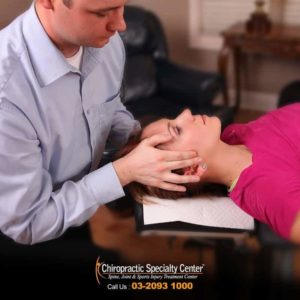
Our approach begins with a careful assessment of the neck, upper back, jaw, posture, movement patterns, and relevant lifestyle factors. Care may include gentle and focused chiropractic methods, hands-on physiotherapy, muscle work, guided exercise, posture education, and rehabilitation planning based on the person’s presentation.
For readers in Kuala Lumpur comparing non-invasive options, this page explains common headache and migraine patterns, possible neck and spine-related contributors, food and lifestyle triggers, pregnancy-related considerations, and how integrated chiropractic and physiotherapy care may be structured at CSC.
Key Takeaways for Chiropractic Headache & Migraine Care
Headaches and migraines are different, but both may involve the neck, upper back, jaw, posture, muscle tension, sleep, stress, hydration, food triggers, or hormonal changes.
Chiropractic headache & migraine care at CSC begins with an assessment of the neck, upper back, jaw, posture, movement habits, and related lifestyle factors.
Care is non-invasive and may include gentle and focused chiropractic methods, physiotherapy, muscle work, posture guidance, guided exercise, and rehabilitation planning.
Aggressive neck pulling, sudden twisting, or forceful traction may not suit every person with headache or migraine-related symptoms, especially when the upper neck is sensitive.
Rhomboid tension, rounded shoulders, desk posture, and upper back stiffness may increase strain through the neck and skull base.
Pregnancy-related headache and migraine patterns may require extra care, especially when symptoms are sudden, unusual, or linked with vision changes, swelling, dizziness, or high blood pressure concerns.
Our team is here to answer your questions and help you schedule your first session. Contact us today.
Neck, Upper Back, and Shoulder Blade Factors in Headaches
Some headache and migraine-related symptoms may be influenced by the neck, upper back, shoulder blade region, jaw, posture, or muscle tension. When the upper neck or skull base is sensitive, aggressive neck pulling, sudden twisting, or forceful traction may irritate the area further. For some people, these methods may increase headache-related symptoms rather than help them.
This is why neck care should begin with proper assessment, not force. At Chiropractic Specialty Center®, we focus on gentle and structured methods when headache symptoms appear connected to the neck, upper back, or posture. For more detail, watch our educational video on aggressive neck care and headache-related concerns.
The upper back and rhomboid region can also matter. Tightness between the shoulder blades, rounded shoulders, prolonged sitting, phone use, and desk posture can increase strain through the neck and skull base. Simple home-care steps, posture awareness, trigger point work, and guided exercises may help some people reduce daily neck and upper back loading. You can also watch our video on rhomboid, neck, and upper back self-care tips.
Headaches and Migraines During Daily Life and Pregnancy
Headaches and migraines are common, but they are not always the same. A headache usually refers to discomfort felt in the head, scalp, temples, forehead, or around the skull base. A migraine can involve head discomfort, but it may also include other symptoms such as nausea, light sensitivity, sound sensitivity, dizziness, visual disturbance, or changes in how a person feels before or during an episode.
Some people experience migraine-related symptoms without strong head discomfort. These are sometimes called silent migraines. Silent migraine episodes may involve visual changes, sensory changes, dizziness, or aura-like symptoms without the typical head sensation many people associate with migraine.
Aura refers to a temporary sensory or visual change that may occur before, during, or after a migraine episode. Aura symptoms may include:
Visual spots, flashing lights, or blurred areas
Sensitivity to light or sound
Nausea
Dizziness or vertigo
Tingling or unusual sensory changes
During pregnancy, headache and migraine patterns may change because of posture, sleep, hydration, hormonal shifts, stress, neck tension, and upper back strain. Some pregnancy-related headaches may also require medical review, especially when symptoms are sudden, severe, unusual, or linked with vision changes, swelling, dizziness, or high blood pressure concerns.
At Chiropractic Specialty Center®, headache and migraine-related care is approached through non-invasive chiropractic, physiotherapy, and rehabilitation methods. The assessment may include the neck, upper back, jaw, posture, muscle tension, movement habits, and pregnancy-related physical changes when relevant.
How Many Types Of Headaches Are There?
The Third Edition of the International Classification of Headaches Disorders published by the international headache society reports over 150 types of headaches, divided into two main categories:
Primary headaches
Secondary headaches
Primary headaches are head discomfort not caused by an underlying health condition or state. Examples of primary headaches include hormonal imbalances (chemical imbalances), compressed nerves, vascular issues, overactivity, or impingement of the discomfort-sensing nerve of the head. Secondary headaches are always related to an underlying health condition such as injury or withdrawal symptoms from nicotine or caffeine.
Chemical & Hormonal Imbalances That Cause Headaches & Migraines
Chemical and hormonal imbalances are common causes of headaches and migraines. While chemical imbalances that cause headaches occur in both sexes, hormonal causes of headaches and migraines are more common in women. Women are more likely to develop and suffer from frequent headaches and migraines, especially during pregnancy or fertile years.
In the old days, doctors thought that headaches occurred due to changes in blood vessels, causing fluctuations in the brain’s blood flow. Recently published studies now dismiss blood vessels as the initiating causes of headaches. Technological innovations in modern medicine have enabled researchers to identify estrogen (hormone) and chemical imbalances such as changes in serotonin levels as the primary culprit in patients with headaches and migraines.
Serotonin is a vital natural chemical messenger that carries signals in nerves, enabling communication between neurons (nerve cells) throughout the body. It is a neurotransmitter that acts as a mood stabilizer, and as such, most call it the “happy chemical.” Decreased serotonin levels are often caused by chronic discomfort, lack of sleep, stress, menstruation, and pregnancy. Reduced serotonin levels are a known cause of headaches and migraines.
Low Levels Of Estrogen Linked To Menstrual & Pregnancy Headaches Or Migraines
Estrogen is a vital hormone for general health in both men and women. However, estrogen plays a greater role in females. Estrogen levels need to be just right for your body to function correctly. Too much or not enough are both problematic. Lower levels of estrogen cause several health issues, including headaches and migraines. Learn more about estrogen by visiting our pregnancy headache page now.
Don‘t Ignore Your Headaches & Migraines.
Today, headaches and migraines are the most common health problem in the world. They can attack almost anyone at any time with varying severity and duration. The three most common forms of headaches are:
Migraines headaches
Tension headaches
Cervicogenic headaches
Migraine headaches are the most common and severest of headaches. An individual with a migraine headache may complain of throbbing discomfort on one side of the head. The word “migraine” originates from the Greek word “hemicrania,”: meaning “half of the head,” as the discomfort often occurs on one side. But, discomfort can also spread to affect the entire head. A migraine sufferer will usually complain of nausea, vomiting, visual problems, and sensitivity to light and noise.
Tension Headaches
Tension headaches affect both sides of the head. Sufferers often complain of a dull, steady discomfort that worsens at the end of the day. According to the U.S. National Institute of Neurological Disorders and Stroke, tension headaches are excessive muscular contractions. In other words, the muscles attaching to the neck and the head are the root causes. Muscular strains and spasms develop due to excess stresses (loading) on the head, neck, and upper back. It is often seen in individuals who look downwards for an extended time, such as working with the head and neck flexed downward. Tension headaches are due to mechanical issues in either the upper back, neck, or skull base.
At Chiropractic Specialty Centers®, we have the knowledge, skills, and clinical team members to address the cause of headaches and migraines. Correcting the root cause is the only viable option for long-term success. Chemicals such as muscle relaxers, discomfort medication, or other pharmaceutical products ONLY address the symptoms. And as such, the need for continued use of these chemicals. Unfortunately, the medications given have more dire consequences than the headaches and migraines could ever have in the long term. But, many patients and doctors alike continue to use and even abuse chemicals for short-term gain.
Cervicogenic Headache
Cervicogenic headaches (headaches from the neck) are headaches that affect the occipital (the base of the skull). The discomfort usually radiates upward to the top of the head, the forehead, and, most often, to the eyes. A Cervicogenic headache is a disorder in the neck that leads to a headache. For example, a misaligned vertebra in the neck. This misalignment causes nerve irritation and neck discomfort, headaches, and migraines. The neck nerves control the blood supply to the head, the muscles and ligaments of the neck, and the muscles, ligaments, and joints of the upper extremities. It is imperative to have these structures checked and corrected.
The brain is insensitive to discomfort. Headaches, including migraines, occur in the tissue covering the brain. Our team of expert chiropractors in Malaysia pay particular attention to the structures at the base of your skull. In other words, we will evaluate the muscles in your neck, the muscles in the upper back, or the chest. In doing so, we identify the actual cause. Besides, we will pay particular attention to the spinal nerves, spinal bones, vertebral discs, and ligaments. In short, you will have a holistic evaluation followed by a target-specific correction. Furthermore, we will also check the possibilities of compression of the nerves that control blood supply to the brain.
Blood Flow Headaches & Migraines
Not enough blood flow, your brain cells starve, and you get tired, sleepy, and experience headaches and migraines. Too much is also not suitable for it. Too much blood flow will also cause headaches, dizziness, and blurred vision, to name a few. The brain to function at optimum levels requires a constant flow of nutrients (blood). The perfect amount of blood: is an essential point that we will discuss below in the food-induced headache and migraine section of this page.
Migraines And Headaches Caused By Neck Problems
Overlook by many is neck issues that lead to headaches and migraines. We far too many cases of misdiagnosed headaches as either stress-induced, psychological (psycho-somatic), or allergic reaction when, in fact, the cause was a neck disorder. Headaches and Migraines are possibly among the most commonly unattended health issues in our world today. Sadly, many of the so-called experts misdiagnose patients and fill them up with drugs. Some are taking multiple medicines for discomfort and drugs that counter the ill effects of discomfort medication. In short, these so-called magic pills are doing more harm than the headaches ever did. This insane and ineffective method of care needs to stop.
Almost every headache sufferer will have some level of neck involvement. Some that have the neck as a root cause may not even have neck discomfort. Having no neck discomfort is not a guarantee of health. Neck problems can manifest in many ways. Some experience neck discomfort, while others have shoulder or arm discomfort, yet some experience headaches. Most importantly, those who have no discomfort at all are the main reason why our Doctors of Chiropractic will perform their root-cause analysis. Through that analysis, your neck gets evaluated. If the roots of your headaches lie in the neck, we can target and correct them. Our clinical team renders care through chiropractic and physiotherapy combined. Hence, the success we have is better than chiropractic or physiotherapy alone.
Jaw Problems: Leading Cause Of Headaches And Migraines
The Temporomandibular Joint (Jaw & TMJ) is a complicated and arduous joint to evaluate and care. It requires skills backed by knowledge to assess or care. The difficulties in diagnosis and care for problems are just part of why so many hospitals, clinics, and doctors fail to diagnose or properly care for accurately. In our centers, we have seen many TMJ discomfort sufferers who were cared for and misdiagnosed for the most part.
The TMJ joint is the source of many conditions, and headaches are perhaps the most commonly associated symptom. Besides a headache, TMJ sufferers will often complain of dizziness, neck discomfort, nausea, and jaw discomfort. If you take a moment, these are some of the very same symptoms that you (a headache) sufferer may have. If you have these associated symptoms, then the chances are that you have a TMJ condition. Your TMJ (jaw joint) might be the main culprit or cahoots with your neck. Either way, they both have to be evaluated. No one in town is better equipped than our clinical team for the track. So, don’t waste time. Call us today for a healthier, clearer tomorrow.
Can Spondylosis Cause Headaches Or Migraines?
Cervical Spondylosis is a disorder brought forth through a combination of issues. Spondylosis is a loose term describing degenerative changes, arthritis formations, and slipped discs. In short, it is a Trifecta. A trio of disorders all wrapped into one. So, it really shouldn’t surprise any of its implications in headaches and migraines-like symptoms. We discovered the connection of spondylosis as an associated cause of many headaches suffering patients. We have methods and target systems of care that can effectively eliminate your spondylosis symptoms, including neck discomfort, numbness, tingling, headaches, and migraines.
Is Slip-Disc A Source Of Migraines & Headaches
Believe it or not, many that suffer ongoing headaches and migraines may have a slipped disc in their neck or upper back. Herniated discs, bulging discs, and even degenerated discs result in headaches and migraines. Many chronic headaches and migraines sufferers may have a slipped disc (herniated disc) or a bulging disc as the cause of their problem. What is worse is that most patients go on suffering without knowing the cause. Even some doctors are having difficulties in identifying these hidden causes.
When a spinal disc slips (herniate, bulge, or protrude) compresses the sensitive nerve fibers as they exit the neck. Nerves control the functions of muscles, ligaments, and of course: joints. An irritated nerve leads to tense muscles, ligaments, or uncomfortable joints. In short, a pinched nerve in the neck can cause neck discomfort, discomfort in the shoulders, arms, and even headaches and migraines. Thus, if you have headaches and migraines that persist or keep returning, we can help.
Our Clinical Chiropractors & Physiotherapists Are Experts At Caring for Migraines & Headaches
We encourage headache and migraines sufferers to visit our centers for root-cause analysis. Once the root cause is identified, we get busy managing it. Call us today to reclaim your life. Don’t ignore headaches and migraines; we can help.
At Chiropractic Specialty Center®, chiropractors and physiotherapists take on headache and migraine cases as one team, starting with the neck structures that can refer pain into the head. We have successfully cared for many that suffered from headaches and migraines without drugs or injections. Our chiropractors’ success is due to our understanding of this debilitating condition. Our chiropractors and physiotherapists have mastered many non-operative clinical and therapeutic procedures, and as a result, we can provide you with a better level of care. We have succeeded when others have failed.
The Foods & Other Related Causes
Headaches and migraines can have multiple triggers, and one of them is related to the type of food or drinks that we consume. Among the most common cause of migraines is alcohol consumption. Some people may have migraines due to the sulfite put in red wine for preservation. Besides that, alcohol can also start a rush of blood to your brain while dehydrating your body, inducing migraines. Like alcohol, caffeine also dehydrates your body, thus, increasing the probability of a migraine or a headache. When taking caffeine or alcohol, we encourage you not to drink, especially alcohol. But, if you insist, then at least drink plenty of water afterward to replenish the loss of water that has taken place.
Foods high in Monosodium Glutamate (MSG) are also dangerous, leading to severe headaches and migraines. A range of symptoms may follow, such as dizziness, pulsing discomfort on both sides of your head, stomach discomfort, or burning aches along your upper torso region. Cheese and dairy products are good sources of calcium and protein. When eating certain forms of aged cheeses, people tend to experience migraines because of the high level of tyramine (a natural chemical found in aged cheese).
Tyramine is a natural product often found in aged or fermented foods such as cheese, smoked fish, cured meats, pickles, olives, processed meats, nuts, and beans.
Preservatives & Additives And Your Headaches
Processed meat foods like bacon, lunch meats, and hot dogs are rich in nitrates. Nitrates are preservatives added to keep the meat fresh for a longer period. But, yet if you are sensitive to nitrates, it may lead to the dilation of blood vessels in the brain, causing headaches. Carbonated drinks can also trigger headaches and migraines because of a sweetener called aspartame.
Other foods, which may trigger headaches and migraines but to a lesser extent, would be chocolate, cultured dairy products, yeast, figs, raisins, and avocados. Still, you must remember that it is not the type of food you eat but its quantity. As it is said about life, everything must be in moderation. When you realize a particular food or beverage triggers a headache or migraine, it is best to limit consumption. Furthermore, Irregular eating schedules and bad eating habits can also cause headaches. Having a healthy balanced lifestyle is the key. Any additional stress, lack of sleep, or delayed mealtimes can cause an episode for people who suffer from chronic migraines.
What Care Options are Available For Headache & Migraine Sufferers in Malaysia?
By now, you should have a better idea of the possible cause of your headaches. However, if the cause is still elusive, don’t worry. We can help. The chiropractors and physiotherapists of Chiropractic Specialty Center® have one goal: to get patients better. We take care of every patient and give them 100% to help them recover faster. The faster our patients recover, the better we feel. For us, it is about helping our fellow humankind and job satisfaction. Our clinical success is better than 95%. In other words, we succeed when others fail.
They say success is addictive. Well, we do believe that. We can attest to the saying. The more our team succeeds, the better our team feel! So, now they want more. It is just that simple. So, we keep up with the latest research and training day. Regularly training and studying to keep up with the latest methods of care. So, rest assured, we are the center that you need for holistic (comprehensive) headache and migraine care methods. There are no shortcuts to success, and as such, we will take the time to evaluate you thoroughly and ONLY then implement corrective actions.
Our Modern Methods GIves You The Lasting Respite You Need!
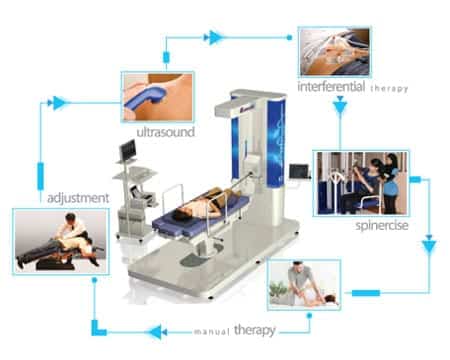
We add value to our chiropractic and physiotherapy sessions by caring for you through specialized forms of modalities and trigger point therapy. In addition to manual and machine-provided care, we will provide you with customized rehabilitative exercises to help your recovery. Our goals are to give our patients lasting respite!
Additionally, these procedures will not hurt; some even consider them relaxing. We have the most experienced clinical team in caring for the spine, joints, and sports injuries.
The Chiropractic Specialty Center® Difference
We use precise techniques that chiropractic and physiotherapy offer at our centers. We do it all without the side effects of those nasty discomfort medication. Also, we combine the care you get from our chiropractors and physiotherapists with care methods on highly sophisticated care devices and state-of-the-art technology. We are the non-operative center you need for holistic, non-invasive care.
Most importantly, the procedures and care methods we offer in seamless care. You will find it most relaxing. We have the most clinical experience in the spine, joints, and sports injuries. This is why we are the most experienced chiropractic center in Malaysia. At CSC, you get the care you deserve for your headaches and migraines.
FAQs About Chiropractic Headache & Migraine Care in KL
These FAQs explain how headache and migraine-related concerns may connect with the neck, upper back, jaw, posture, muscle tension, lifestyle habits, and pregnancy-related changes. The answers are written to help readers understand when non-invasive chiropractic, physiotherapy, and rehabilitation-focused care may be considered.
Can chiropractic care help with headaches and migraines?
Chiropractic headache & migraine care may be considered when symptoms appear connected to the neck, upper back, posture, jaw movement, muscle tension, or spinal joint strain. At CSC, the process begins with an assessment before care is planned. Care may include gentle chiropractic methods, physiotherapy, muscle work, posture guidance, and rehabilitation exercises.
What is the difference between a headache and a migraine?
A headache usually refers to discomfort in the head, scalp, temples, forehead, or skull base. A migraine may include head discomfort, but it can also involve nausea, light sensitivity, sound sensitivity, dizziness, visual changes, or aura-like symptoms. Some migraine episodes may occur without strong head discomfort.
Can neck problems contribute to headaches?
Neck-related headaches may occur when the upper neck, skull base, spinal joints, muscles, or surrounding soft tissues are irritated or overloaded. Poor posture, long hours of screen use, upper back stiffness, and shoulder blade tension may also increase strain through the neck and skull base.
Is aggressive neck pulling suitable for headache or migraine symptoms?
Aggressive neck pulling, sudden twisting, or forceful traction may not suit every person with headache or migraine-related symptoms. When the upper neck is sensitive, forceful methods may irritate the area further. A careful assessment is important before any neck-focused care is considered.
Can pregnancy affect headaches or migraines?
Pregnancy may influence headache or migraine patterns through hormonal changes, sleep changes, hydration, posture, neck tension, upper back strain, and stress. Sudden, severe, unusual, or worsening headaches during pregnancy should be reviewed by a medical practitioner, especially when linked with vision changes, swelling, dizziness, or blood pressure concerns.
Author:
“Effective, Gentle Relief for Headaches & Migraines” Yama Zafer, D.C., who has degrees in chiropractic and physiotherapy from Cleveland Chiropractic University in Kansas City and 30+ years of clinical experience in physiotherapy and chiropractic read more about Yama Zafer, D.C. on his official bio page.
Peer-Reviewed Medical References:
Biondi DM. Cervicogenic headache: A review of diagnostic and treatment strategies. J Am Osteopath Assoc. 2005;105(4 Suppl 2):16S–22S.
Côté P, Wong JJ, Sutton D, Shearer HM, Mior S, Randhawa K, et al. Management of neck pain and associated disorders: Clinical practice guideline. Eur Spine J. 2016;25(7):2000–2022. doi:10.1007/s00586-016-4467-7
Fernández-de-Las-Peñas C, Alonso-Blanco C, Cuadrado ML, Gerwin RD, Pareja JA. Manual therapy for tension-type and cervicogenic headache: A systematic review. CephalalgiaFernández-de-las-Peñas C, Alonso-Blanco C, Cuadrado ML, Miangolarra JC, Barriga FJ, Pareja JA. Are manual therapies effective in reducing pain from tension-type headache? A systematic review. The Clinical Journal of Pain. 2006;22(3):278–285. doi:10.1097/01.ajp.0000173017.64741.86
Watson DH, Drummond PD. Head pain referral during examination of the neck in migraine and tension-type headache. Headache. 2012;52(8):1226–1235. doi:10.1111/j.1526-4610.2012.02169.x
Chaibi A, Russell MB. Manual therapies for primary chronic headaches: A systematic review of randomized controlled trials. J Headache Pain. 2014;15(1):67. doi:10.1186/1129-2377-15-67
Vernon H. The effectiveness of chiropractic management of cervicogenic headache: A systematic review of the literature. J Manipulative Physiol TherVernon H. The effectiveness of spinal manipulation for the treatment of headache disorders: a systematic review of randomized clinical trials. Cephalalgia. 2003;23(6):479–480. doi:10.1046/j.1468-2982.2003.05551.x
Castien RF, van der Windt DA, de Hertogh WJ, Dekker J, Scholten-Peeters GG. Effectiveness of physiotherapy for headaches associated with cervical spine dysfunction: A systematic review. Man TherCastien RF, van der Windt DAWM, Grooten A, Dekker J. Effectiveness of manual therapy for chronic tension-type headache: a pragmatic, randomised, clinical trial. Cephalalgia. 2010;31(2):133–143. doi:10.1177/0333102410377362
Last Updated:
Last updated April 28, 2026: Effective, Gentle Relief for Headaches & Migraines.