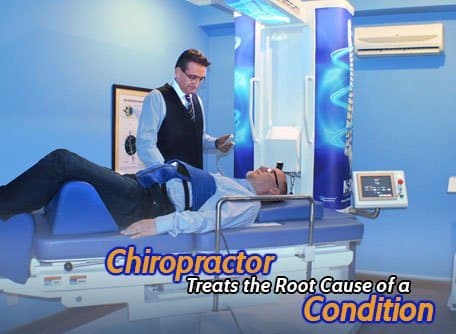
Doctor of Chiropractic, abbreviated D.C., is the professional degree awarded by accredited chiropractic programs in the United States and in some other jurisdictions. In the U.S., accredited programs include extensive study in anatomy, clinical assessment, diagnostic imaging, biomechanics, chiropractic methods, rehabilitation and patient management. The degree is a defined professional qualification rather than a general title for anyone who provides manual care.
Training pathways and degree names vary internationally, so qualifications should be checked by jurisdiction rather than assumed to be equivalent. For patients in Malaysia, the practical questions are whether the practitioner holds a recognized chiropractic qualification, meets current registration requirements, and can explain the examination, proposed method and limits of care clearly. A degree establishes training; it does not replace clinical judgment, consent or appropriate referral.
Doctor of Chiropractic (D.C.) is a postgraduate degree awarded to chiropractors trained in countries like the United States, Canada, and Australia. This qualification reflects a structured curriculum in clinical assessment, spinal biomechanics, diagnostic imaging, and manual therapy. It is distinct from Malaysia’s chiropractic qualifications, which are typically at the undergraduate level.
At Chiropractic Specialty Center, care is provided by registered chiropractors in Malaysia. While not all of our practitioners hold a D.C. degree, some such as Yama Zafer, D.C. have completed postgraduate training in the U.S. This page aims to explain what the D.C. qualification entails and how it compares across countries.
This guide to the Doctor of Chiropractic degree, what the program involves and who can use the title, is published by Chiropractic Specialty Center, Bukit Damansara (KL) main center:WhatsApp+60 17 269 1873Call+603 2093 1000
Key Points About Doctor of Chiropractic Role
Doctors of Chiropractic focus on musculoskeletal health through non-invasive care.
Their training differs from medical doctors; they do not perform surgery or prescribe medications.
Collaborative care with physiotherapy and rehabilitation supports holistic spine and joint health.
Contact Us Today to Learn More About Chiropractic Care
To understand how a Doctor of Chiropractic can assist with your musculoskeletal concerns, Chiropractic Specialty Center offers consultations and integrative non-invasive care options. Our professionals focus on gentle techniques to support spine and joint health safely. Contact us via our contact page to find out more.
What Does the D.C. Program Involve?
In the U.S., becoming a Doctor of Chiropractic involves completing a bachelor’s degree followed by a four-year professional chiropractic program. This includes over 4,200 hours of classroom, laboratory, and clinical education. Accredited programs are governed by agencies recognized by the U.S. Department of Education.
Training emphasizes anatomy, physiology, neurology, rehabilitation, radiology, and manual therapy techniques. A year of clinical internship ensures hands-on experience with real patients under supervision.
Global Recognition of Chiropractic Education
In countries like the U.S., Doctors of Chiropractic are often recognized as physician-level providers within certain healthcare systems, including the U.S. Department of Veterans Affairs and Workers’ Compensation programs. In Malaysia, chiropractors are classified as allied health professionals and must meet local registration and training requirements.
The International Medical University (IMU) in Malaysia offers an undergraduate chiropractic program that prepares students to register locally. Although it does not confer the D.C. designation, it provides foundational training in chiropractic practice.
Who Can Use the Title Doctor of Chiropractic?
Only chiropractors who have completed a postgraduate program specifically granting the “Doctor of Chiropractic (D.C.)” degree are permitted to use that designation. In Malaysia, the use of the title is not allowed unless explicitly earned and verifiable through certification.
Our center fully complies with these regulations. References to the D.C. designation on this site are made only in reference to practitioners who have completed the U.S.-based Doctor of Chiropractic program, such as Yama Zafer, D.C.
Differences Between Chiropractors and Medical Doctors
Chiropractors are not medical doctors. While both undergo rigorous training, chiropractic education focuses on conservative, non-invasive spine and joint care. Medical doctors are trained in pharmacology, surgery, and general medicine.
Chiropractors do not prescribe medications or perform surgical procedures. Instead, they assess musculoskeletal function and provide manual techniques to help improve movement and reduce strain.
Historical Origins and Growth of Chiropractic
The chiropractic profession began in 1895, founded by D.D. Palmer in Davenport, Iowa. Since then, chiropractic has expanded worldwide, with more than 100,000 chiropractors practicing globally. Approximately 70% were trained or practice in the United States.
Today, chiropractic is considered one of the largest conservative healthcare professions focused on spinal health, posture, and joint mechanics.
Chiropractic Education in Malaysia
Malaysia’s chiropractic training follows a bachelor-level model. IMU’s program, introduced in 2011, mirrors Australian standards and produces qualified practitioners who are eligible for registration in Malaysia.
These chiropractors provide safe, effective musculoskeletal care. At Chiropractic Specialty Center, our registered chiropractors work alongside physiotherapists to deliver structured, non-invasive care. Collaborative methods enhance treatment outcomes, especially for spine, joint, and sports injuries.
Educational Differences: U.S. D.C. vs. Malaysian Chiropractic Degree
Feature
Doctor of Chiropractic (D.C.)
Malaysian Chiropractic Degree
Level
Postgraduate
Undergraduate
Duration
4 years (after bachelor’s)
4 years
Licensing Authority
State Boards (USA)
Malaysian Registration Bodies
Internship
1-year clinical internship
Integrated clinical exposure
Title Usage
D.C. allowed
No “Doctor” title permitted
The Term “Kiropraktik” in Malaysia
In Malaysia, chiropractic is referred to as “Kiropraktik” a term recognized by local health authorities and commonly used in Bahasa Malaysia. This term reflects the growing awareness and acceptance of conservative spine and joint care across the country. To learn more, visit our dedicated page on Kiropraktik in Malaysia.
Our Commitment to Chiropractic Practice
Chiropractic Specialty Center complies fully with Malaysia’s healthcare regulations. We do not use the title “Doctor of Chiropractic” unless it is an earned academic qualification from an international postgraduate institution. Our team includes a mix of U.S.-trained D.C.s and locally registered chiropractors, all working collaboratively with physiotherapists.
What Chiropractors Do And Are They Doctors Or Therapists?
Chiropractors attend graduate-level university degree programs similar to medical doctors, podiatrists, and dentists. However, chiropractors are doctors of chiropractic and not medical doctors. The chiropractic profession is separate similar to dentistry. Chiropractors are well-known for their ability to diagnose and manage spine, joint, and sports injuries.
Chiropractic was discovered in 1895 by D.D. Palmer. It has grown tremendously! Today chiropractic is one of the fastest-growing fields in healthcare. The growth of chiropractic is attributed to their care for neck pain,back pain, and joint problems.
Chiropractors think of themselves as doctors, not as medical doctors, but as doctors of chiropractic. Doctors of chiropractic use initial D.C. (Doctor of Chiropractic) and not MD (Medical Doctor) or MBBS (Bachelor of Medicine and Bachelor of Surgery). Both the MD and the MBBS initials belong to the medical profession. The MD initials are more common in North America, South America, Europe, Africa, Asia. MBBS is primarily used in the United Kingdom and the commonwealth nations.
Are Chiropractors Physicians?
Doctor of chiropractic or D.C. is an educational degree program specific to chiropractors. MD & MBBS are degrees for medical doctors and surgeons.
Physicians are doctors of medicine and surgery. Some physicians are family doctors, general practitioners (GPs), surgeons, pediatricians, cardiologists, psychiatrists, EENTs, dermatologists, pulmonologists, gastroenterologists, and gynecologists. In most countries, including Malaysia, chiropractors are not classified as physicians. In some countries like the United States, chiropractors use the term “chiropractic physician” or “doctor of chiropractic” to distinguish them from medicine, surgery, and the medical profession.
Do Medical Doctors Accept Chiropractic?
Most medical doctors accept chiropractic care. Some are chiropractic patients. In the old days, there were lots of animosities toward chiropractic. These resentments were the results of turf wars. Historically, medical doctors have a dislike for any alternative care system. The resentment of chiropractic among some healthcare fields is because most are unaware of the profession and really don’t understand how chiropractors help their patients. Some have a dislike for any profession that manages the ill. In recent times this has changed. The change results from published studies demonstrating the efficiency of chiropractic care for the spine and joints.
A Guide To Doctor Of Chiropractic
Since our inception, we have managed thousands who suffered from spine joint and sports injuries. Our clinical successes in managing spine and orthopedic conditions have propelled our centers to greater heights of prominence in Malaysia and beyond. Our Doctor of Chiropractic has managed royalties, dignitaries, business people, and patients from all walks of life. Consequently, we managed patients from all over the world. Patients have come to us from Africa, Europe, the Middle East, China, and India.
Those who have sought our help wanted an efficient alternative to drugs and surgery. Most noteworthy, in almost all cases, we succeeded in superseding their expectations.
For most, the art and science of chiropractic were new. The most common question we get concerns chiropractic practice and a chiropractic doctor’s qualifications (chiropractor). And it has resonated with us, and we have decided to shed some light on this subject for better understanding.
There are approximately 100,000 chiropractors in practice in the world today. Over 70% either practice or have received their education in America. Therefore, we have decided to provide educational and qualification backgrounds about chiropractors that practice or are educated in the United States.
Who Discovered Chiropractic?
Daniel David Palmer discovered chiropractic and established the first school of Chiropractic in Davenport, Iowa. Over 40 colleges and universities currently offer educational programs toward the Doctor of Chiropractic degree, with the vast majority being in North America (approximately 23 higher learning institutions). Like other healthcare professions, the practice of chiropractic and the educational requirements have become stringent. The most common degree in chiropractic today is the doctorate, Doctor of Chiropractic (D.C.).
In the United States, the Doctors of Chiropractic (D.C.s) have some of the strictest licensing and educational requirements. As a result, the curriculum includes a minimum of 4,200 hours of classroom. In short, the average D.C. program has classroom hours that are equivalent to Doctor of Medicine (M.D.) school curricula.
The U.S. Federal Medical Program and almost all states designate Doctors of Chiropractic as physician-level providers. The essential services that D.C.s provide are also available through the U.S. federal health delivery systems. They include those administered through Federal Workers‘ Compensation, Federal Employees Health Benefits Program, U.S. Departments of Defense and Veterans Affairs, Medicaid, and all state workers‘ compensation programs. Chiropractic care appears in clinical guidelines for spinal pain as one of the non-drug options worth trying, alongside exercise and other conservative care. What the evidence supports is modest, short-term improvement in pain and function for spinal complaints, which is a useful thing rather than a dramatic one.
The Typical Chiropractic Education (The Doctor Of Chiropractic Degree From The U.S.)
A typical chiropractic college applicant has a four-year degree (Bachelors) before commencing their doctorate in Chiropractic. The requirements get even more demanding after the student has gained acceptance into an accredited chiropractic college. The standard is four or five academic years’ worth of professional study. Due to chiropractic practice having a hands-on nature and the intricate adjusting techniques that need to be learned, clinical training takes up a significant portion of the total study time.
A rigorous education in all healing scientists is received by chiropractors, similar to what medical doctors get. So, in areas like public health, nutrition, rehabilitation, physiology, radiology, and anatomy, chiropractors have a more rigorous educational requirement. Like many other primary health care doctors, chiropractic students spend a great deal of their curriculum time studying clinical subjects related to evaluating and caring for patients.
Typically, professional training includes completing a clinical-based program of a minimum of one year that deals with actual patient care. The total curriculum consists of a minimum of 4,200 hours of classroom, laboratory, and clinical experience. An accrediting agency that the U.S. Department of Education recognizes approves the course of the study. This has been true for over 25 years.
The Doctor Of Chiropractic Is Better When It Comes To Spine, Joint & Sports Injury Care.
Educational and Qualification for a Doctor of Chiropractic is stringent and rigorous: Making them the Recommended Non-Surgical caregivers for the Spine and Joint Disorders. The National Board of Chiropractic Examiners (NBCE) governs the licensure and certification of U. S. Chiropractors.
The U.S strictly governs chiropractic education in the United States of America. One such governing entity is the Council on Chiropractic Education (CCE). Their sole responsibility is to ensure that Universities teaching Chiropractic meets or exceeds the U.S. Government requirement for a Chiropractic Physician.
Chiropractic doctors must pass their board exam given by the U.S. National Board of Chiropractic Examiners (NBCE). Each practicing Doctor of Chiropractic must obtain a license from their respective state in the United States. Chiropractors must meet annual continuing education requirements to maintain their licensure.
Strict Laws & Regulations Govern The Practice & Licensing Of Chiropractic
The education, licensing, and scope of practice for chiropractors vary throughout the world. Today, over 100 countries recognize chiropractic care as a useful alternative for musculoskeletal disorders and injuries. In Malaysia, the profession is experiencing rapid growth. In 2011, IMU launched a bachelor‘s degree program that is similar to the Australian requirements.
Regardless of the level of education, chiropractors work within a defined scope focused on the spine and joints, and that focus is what people generally come to them for. This is what it looks like in practice. The techniques, skills, and knowledge of a chiropractor have improved the lives of so many. The chiropractic care you get in one of our centers is further enhanced through our clinical physiotherapists’ efforts.
Our center offers the most modern conservative spine and joint care in Malaysia. The care you get is enriched through technology and targeted research-based methods to prove clinical success. We get you better faster. Chiropractic Specialty Center offers physiotherapy combined with chiropractic services in Malaysia.
We have the skills, knowledge, and technology needed to manage even the most severe spine, joint, or sports injury cases. Therefore, the care you get from us is better when compared to others. The chiropractic care you get in one of our centers are condition-specific through low-force gentle techniques rendered by hand or through an instrument.
Malaysia Has Stringent Requirements For Chiropractors
Our Chiropractors have clinical proficiency in identifying the cause of your pain correctly at its root. Their skills, knowledge, and training are what a difficult case relies on. Where an earlier course of care has not helped, we begin by asking what was tried, at what dose, and for how long. We have managed thousands of acute and chronic slipped disc cases, each with its own care plan. The doctor of chiropractic in our centers is not the only caregiver.
Furthermore, they practice the art of chiropractic with help and assistance from a clinical team of physiotherapists. So, their combined collaborative care means the assessment covers both disciplines and the plan is not split between them. And lastly, our clinical teams work with equipment that is not widely available in Malaysia, used alongside hands-on care and a graded exercise program.
In conclusion, chiropractors are not doctors of medicine or MBBS. But they are your preferred option for non-surgical recovery from pain and injuries. Contact one of our centers. CSC is a physiotherapy and chiropractic center. We provide spine and joint therapy in Malaysia. If you want care from a qualified practitioner, call us now. Visit us to experience the clinical excellence of a Doctor of Chiropractic today.
The difference between a doctor of chiropractic and a medical doctor is not a ranking. It is a difference in scope, and knowing the boundary is what lets the two work together sensibly.
A chiropractor does not prescribe medication and does not operate. If a clinic implies otherwise, that is a reason to look elsewhere.
A chiropractor examines, forms a working diagnosis within the musculoskeletal scope, and treats by hand and by graded loading. That scope covers a great deal of what walks through the door with back, neck, limb and joint pain.
A medical doctor holds the parts we cannot. Blood tests, prescriptions, imaging requests in many systems, referral to specialties, and the diagnoses that sit outside the musculoskeletal picture.
Co-management is normal and should be offered, not resisted. A patient on anticoagulants, with osteoporosis, with an inflammatory arthritis, or in the middle of a cancer pathway needs both sides talking, and we will write to your doctor when that is useful.
Questions That Tell You Which Kind of Clinic You Are In
Ask any chiropractor these, including us. The answers are more revealing than any credential on a wall.
What is your working diagnosis, and what else could it be? A clinician who cannot name an alternative has not considered one.
What would make you refer me elsewhere? Every honest answer to this includes specific findings, not a vague “if it does not improve”.
How many visits before we reassess, and what will we measure? A plan with no review point is a subscription.
What am I doing between visits? If the answer is nothing, the part of care with the strongest evidence has been left out.
Do you treat conditions outside the musculoskeletal system? Claims in that direction are not supported by evidence.
Take These to a Medical Doctor First
A loss of bladder or bowel control. Emergency, the same day.
Progressive weakness, a dropping foot, or wasting of muscle.
Fever with spinal pain, unexplained weight loss, or night pain that wakes you.
A history of cancer with new spinal pain.
Sudden severe neck pain with dizziness, slurred speech, visual change or facial droop.
Peer-Reviewed Medical Reference Citations
Walker BF, French SD, Grant W, Green S. A Cochrane review of combined chiropractic interventions for low-back pain. Spine. 2011;36(3):230-42.
Leach MJ. Chiropractic care for musculoskeletal conditions: a narrative review of systematic reviews. Chiropr Man Therap. 2018;26:40.
Bronfort G, Evans R, Anderson AV, et al. Spinal manipulation, medication, or home exercise for acute and subacute neck pain: a randomized trial. Ann Intern Med. 2012;156(1 Pt 1):1-10.
Haas M, et al. Effectiveness of chiropractic care for musculoskeletal conditions: systematic review and meta-analysis. J Manipulative Physiol Ther. 2004;27(9):571-80.
Coulter ID, et al. Chiropractic and public health: current status and future directions. Chiropr Osteopat. 2005;13:8.
Goertz CM, et al. Patient-reported outcomes of chiropractic care for musculoskeletal disorders: a systematic review. J Manipulative Physiol Ther. 2013;36(3):138-51.
“Understanding the Doctor of Chiropractic Degree” is authored by Yama Zafer D.C., with insights on What Is a Doctor of Chiropractic (D.C.) Degree? read more about Y. Zafer on his official bio page.
Last Updated
Last updated September 20, 2026: Understanding the Doctor of Chiropractic Degree.