

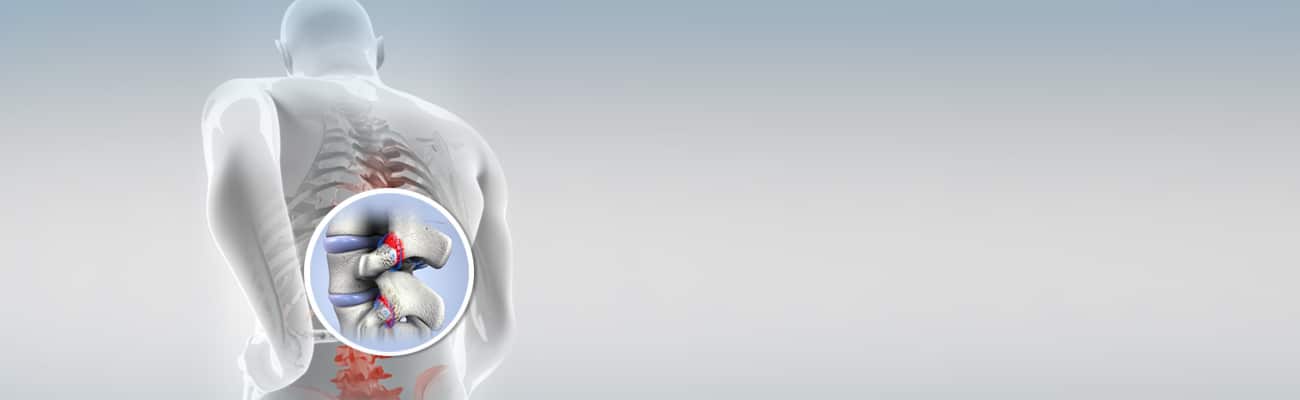
Facet Hypertrophy: Causes, Symptoms and Assessment
Facet hypertrophy means enlargement and degenerative change of the facet joints at the back of the spine. It is common with aging and can occur alongside disc-height loss, osteoarthritis and ligament thickening. The finding may contribute to local stiffness, narrowing around a nerve root or spinal stenosis, but it can also appear on imaging without causing symptoms.
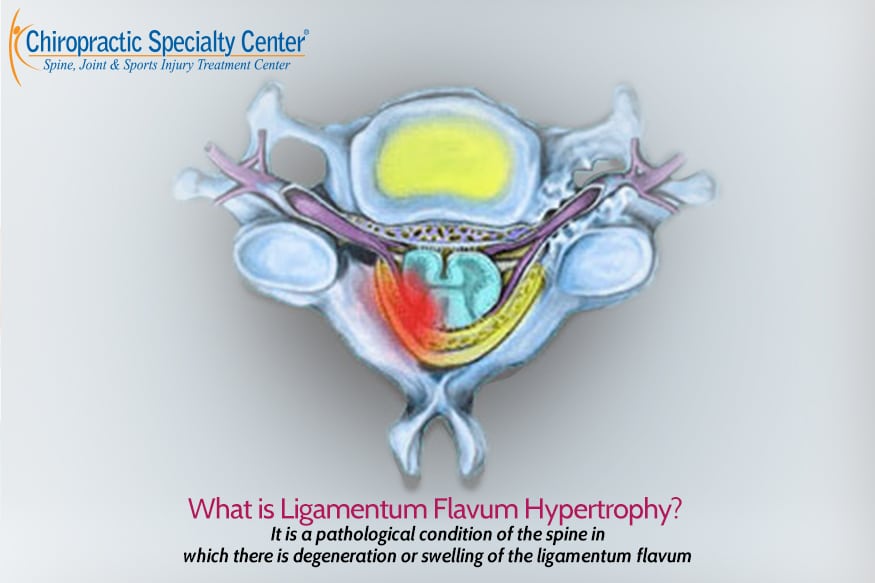
Ligamentum Flavum Hypertrophy: MRI, Symptoms & Treatment
Ligamentum flavum hypertrophy on an MRI report usually raises two questions: does it explain the back or leg symptoms, and does it mean surgery? A thickened ligamentum flavum takes up room at the back of the spinal canal. The nerves then have less space, most of all during long periods of standing or when leaning back. The scan shows the narrowing, and the examination shows how much it affects the nerves.

Slipped Disc in the Jaw: Signs, Symptoms & Treatment
A slipped disc in the jaw is usually noticed as a click on opening, a catch, or pain in front of the ear. In clinical terms it is TMJ disc displacement: the small cartilage disc in the jaw joint has slipped forward off the ball of the jaw. A click means the disc slips back as the mouth opens. Locking means it stays in front and stops the mouth opening fully.

Back Pain Care: What Gentle, Non-Twisting Methods Mean
Back pain care at CSC does not involve cracking the back; nothing is twisted to make a joint pop. Movement is restored instead through table-based techniques such as flexion-distraction and through instruments that deliver a small, fast impulse to one segment at a time, alongside the exercise that holds the change.

Schmorl’s Node: What It Means on an MRI Report
A Schmorl's node is a small indentation where disc material has pressed upward or downward through the endplate into the body of the vertebra next to it. They appear in a large proportion of ordinary spines, frequently in people with no symptoms, and they are most often reported on imaging taken for an unrelated reason.
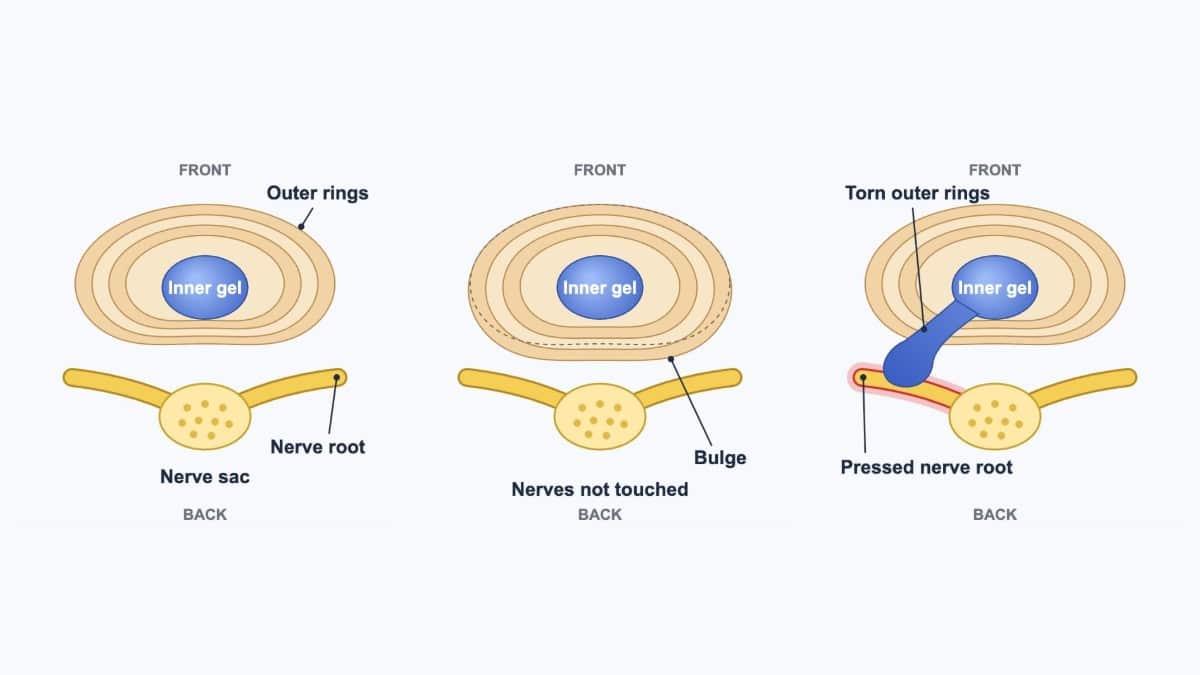
L2-L3 Spine: Where It Is, Disc Bulge Symptoms and Nerves
L2-L3 sits high in the lower back, beside the nerve roots that serve the front of the thigh and the knee. This guide explains L2-L3 disc bulge symptoms, the nerve tests, MRI stages, causes and non-surgical treatment.
Tinnitus and the Neck: How the Link Is Assessed
Tinnitus is the perception of sound without an external source, most often described as ringing, buzzing or hissing. In the majority of cases the origin lies within the hearing system, which is why audiological assessment comes first. In a smaller group the neck or the jaw contributes, and there is a recognized marker for that subgroup.
Spondylosis Care: Non-Invasive Options in Malaysia
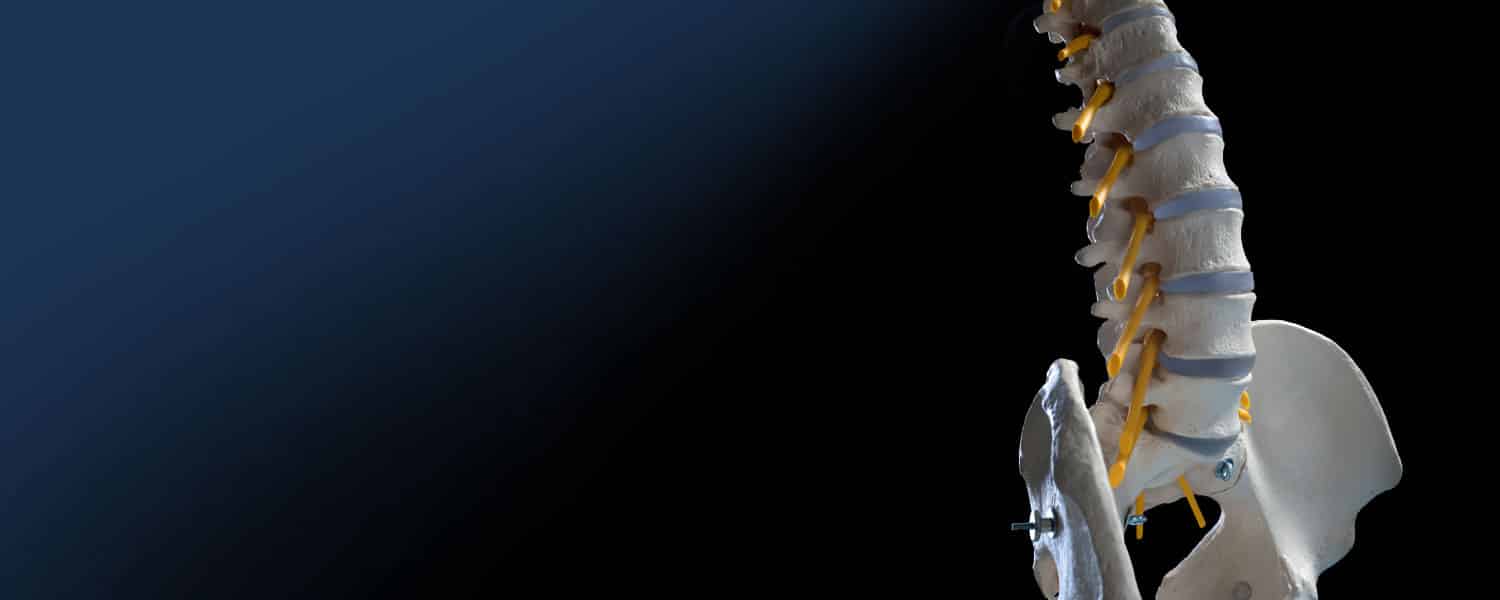
Spondylosis is a descriptive term rather than a disease. It denotes age-related change in the discs and facet joints of the spine: discs losing height and water content, joint surfaces thinning, and small bony spurs forming at the margins. By middle age most spines show some, and it appears routinely on imaging of people with no symptoms.

Carpal Tunnel Test: What the Clinical Checks Show
A carpal tunnel test is part of a clinical examination for possible compression of the median nerve at the wrist. Common bedside tests include Phalen's maneuver, which holds the wrist in flexion, and Tinel's sign, which taps over the nerve. The symptom pattern matters. Neck, elbow and other wrist conditions can also mimic hand tingling or weakness.

Back Pain in Pregnancy: A Kuala Lumpur Patient Guide
Back pain in pregnancy affects a majority of pregnancies and is mechanical in most cases. Three changes drive it: the pelvic ligaments soften under hormonal influence, the center of mass shifts forward as the pregnancy advances, and the abdominal wall stretches and contributes less support to the lower spine.