


Jaw Chiropractor in KL: TMJ Care Guide
A jaw chiropractor assesses the temporomandibular joint, the muscles that close and move the jaw, and the upper cervical spine, because the three function together. The upper neck refers pain into the jaw and ear frequently enough that examining the jaw in isolation misses a proportion of cases outright.
The measurements taken are simple. Maximum opening, normally around three stacked fingers between the front teeth. Whether the jaw deviates to one side on the way open. Whether clicking occurs on opening, on closing, or on both.
If you’re searching for a jaw chiropractor in KL, this guide explains how non-surgical TMJ care works. At Chiropractic Specialty Center, our team combines jaw-focused chiropractic with physiotherapy and upper cervical care to restore jaw balance, reduce stiffness, and improve TMJ function. We address clicking, locking, limited opening, headaches, tinnitus, and more using precise, non-rotatory methods.
This article outlines what causes jaw issues, how integrated care works, and why collaborative management with dentists and imaging is often necessary for long-term jaw recovery in Kuala Lumpur.
This guide to seeing a jaw chiropractor in KL, and the common symptoms of TMJ problems, is published by Chiropractic Specialty Center, Bukit Damansara (KL) main center: WhatsApp+60 17 269 1873 Call+603 2093 1000
Key Takeaways: What You Must Know Before TMJ or Jaw Care
- TMJ Is Not Just a Jaw Problem: Jaw issues often stem from misalignments in the upper neck or muscular imbalance not just the jaw itself. At CSC, we assess both for complete recovery.
- Imaging Matters: X-rays or MRI can reveal disc position, inflammation, and joint integrity. We use these tools to ensure your care plan is precise and effective.
- No Guesswork, No Force: We avoid twisting or forceful adjustments. CSC’s jaw chiropractor uses safe, targeted techniques designed for jaw joints, not generalized spinal methods.
- Collaborative Care: Chiropractors, physiotherapists, and when needed your dentist all play a role in restoring function. You don't have to choose one; our integrative team works together for you.
- Early Care Prevents Long-Term Damage: Clicking, locking, or stiffness are warning signs. Addressing them early reduces the risk of disc displacement, arthritis, or muscle-related complications.
CSC's Jaw Chiropractor in KL
The Jaw Chiropractor in KL focuses on restoring TMJ balance and jaw function through non-invasive, integrative care. This guide explains how chiropractic, physiotherapy, and rehabilitation approaches help address jaw joint problems such as clicking, stiffness, opening restrictions, and jaw muscle issues. We delve into thorough assessments jaw movement analysis, posture screening, dental habits review and describe gentle, non-rotatory methods used at
Chiropractic Specialty Center (CSC) provides integrative, non-invasive care for TMJ disorders and jaw-related issues by a combined physiotherapist and a jaw chiropractor in Kuala Lumpur.
Our holistic approach combines jaw chiropractic jaw joint chiropractic adjustments with upper cervical care and physiotherapy because the jaw joint and the upper neck load each other. Treating one and ignoring the other is the most common reason jaw care stalls.
If you are experiencing jaw pain or related symptoms such as tinnitus, it's important to seek care from professionals who understand the complexities of TMJ (temporomandibular joint) issues. TMJ-related pain can be challenging to manage, and assisting in care requires a team with specialized knowledge and skills. At Chiropractic Specialty Center, we provide evidence-based, non-invasive care tailored to guide recovery and improve function.
Top 3 TMJ Insights for Your Journey
- Early assessment by a jaw chiropractor helps identify misalignment and muscle imbalance before symptoms escalate.
- Integrative non-invasive care combining chiropractic, physiotherapy & rehabilitation improves jaw mechanics and function.
- Imaging via MRI or CBCT enhances precision in diagnosing TMJ joint or soft tissue conditions for tailored care.
Contact Us to Book a TMJ Assessment
Reach out via our Contact Us page to schedule a TMJ consultation with our jaw chiropractor and take the first step toward better jaw function and comfort.
Jaw Chiropractic Care in Kuala Lumpur, Malaysia for all TMJ Issues
In Malaysia, non-surgical options for managing TMJ pain are available, but it is worth seeing a center that will examine the jaw joint, the chewing muscles and the upper neck together. At Chiropractic Specialty Center, our collaborative team of chiropractors and physiotherapists works together to offer targeted, non-invasive care for TMJ-related issues.
Addressing Common Symptoms of TMJ
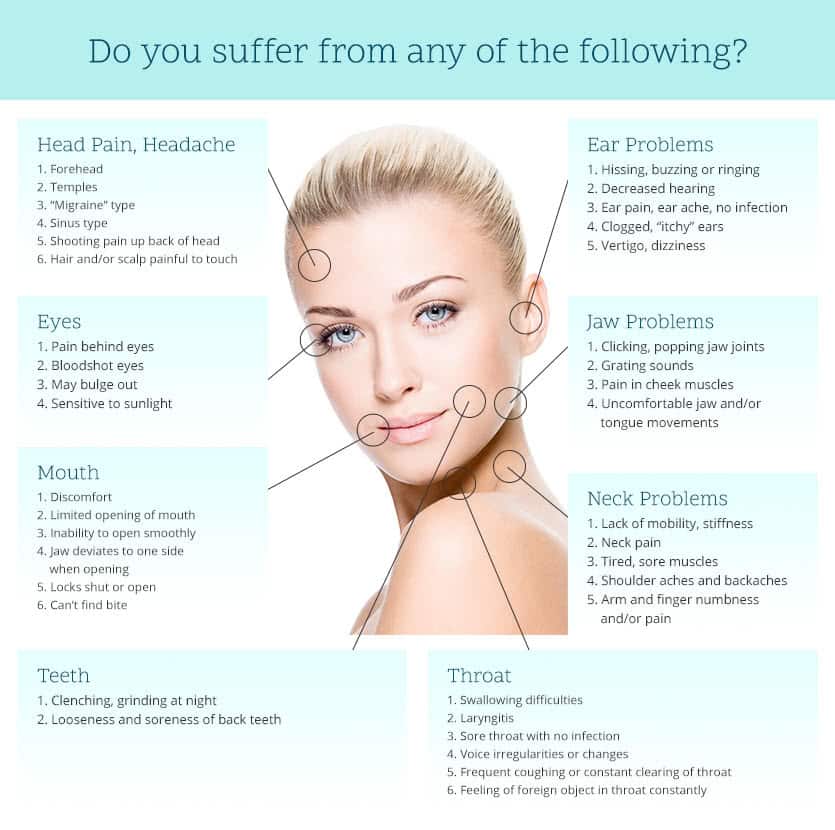
TMJ disorders can cause a variety of symptoms, including jaw pain, neck pain, headaches, and facial pain. It is estimated that a significant number of individuals experiencing TMJ pain are unaware of the condition and the importance of seeking appropriate care. Common symptoms of TMJ disorders include:
- Headaches: Affecting around 80% of individuals with TMJ issues.
- Facial Pain: Experienced by more than 40% of individuals.
Productive care for TMJ disorders involves early intervention to prevent the condition from worsening. Non-surgical care works on the joint mechanics, the chewing muscles and the habits that keep loading them.
Holistic Chiropractic Jaw Care for TMJ in KL
Our collaborative approach ensures that all aspects of jaw and TMJ dysfunction are addressed. We believe that managing the jaw alone is not enough. By combining jaw chiropractic care, upper cervical adjustments, and physiotherapy, CSC provides a comprehensive solution tailored to each individual.
How CSC’s Jaw Chiropractors in KL Guide Your Recovery
At CSC, we offer personalized care for jaw and TMJ issues, focusing on the connection between the jaw and the upper cervical spine. Our jaw chiropractic adjustments aim to realign the jaw joint for optimal function while addressing upper cervical misalignments, which often accompany TMJ disorders.
Combining jaw chiropractic care with cervical adjustments improves overall alignment and reduces the strain on jaw muscles and ligaments. This integrated approach also helps alleviate symptoms such as clicking, locking, and reduced jaw mobility.
Our care goes further. We combine jaw chiropractic adjustments with focused physiotherapy to promote function and strengthen muscles around the jaw, reduce tension, and improve joint stability. Physiotherapy may include techniques like myofascial release, trigger point therapy, and jaw-specific exercises.
The Role of Upper Cervical Care in Jaw Chiropractic
The upper cervical spine, located at the base of the skull, plays an important role in maintaining jaw alignment and overall head-neck balance.. Misalignments in this area can lead to muscle imbalances and nerve irritation, exacerbating jaw pain and TMJ dysfunction.
At CSC, we combine jaw chiropractic care in KL with upper cervical chiropractic adjustments to address both jaw and neck alignment issues. This comprehensive approach focuses not only on the jaw but also on the surrounding musculoskeletal system, helping to promote balanced function throughout the body.
Physiotherapy for Jaw and TMJ Disorders
CSC integrates physiotherapy with the care you receive from our jaw chiropractor in KL for a more thorough recovery process. Our physiotherapists use specialized techniques to reduce tension in jaw muscles and improve mobility, including:
- Jaw-specific exercises: To focus on muscle control and promote smooth movement.
- Trigger point therapy: Releases tension in overworked muscles.
- Myofascial release: Targets adhesions and improves tissue flexibility.
- Ultrasound therapy: To promote healing and reduce inflammation in the jaw and surrounding areas.
What Happens When You Neglect a Jaw Problem?
If jaw pain is left without care, it may lead to increased inflammation, further joint damage, and wear of the jaw joint over time.
Continued inflammation near the jaw joint can contribute to muscle contraction, which can result in heightened pain in the face, neck, and head. In more severe cases, jaw issues may also cause symptoms like nausea, dizziness, headaches, and ear ringing. Addressing these issues early can help prevent further complications.
What are the Common Symptoms of Jaw Issues and TMJ-related problems?
The jaw joint is unique in that it lacks pain-sensing nerves. As a result, jaw dysfunction may not always result in pain directly in the joint itself. Instead, pain is often felt in the muscles surrounding the jaw.
Some common signs of jaw dysfunction include:
- A sensation of imbalance or loss of balance.
- A feeling of swimming or floating.
- Vertigo (spinning sensation).
- Light-headedness or faintness.
- Dizziness.
Jaw symptoms can stem from several sources, particularly the jaw joint's disc, ligaments, and muscles. Here are some symptoms that may accompany TMJ-related issues:
- Headaches: These may range from mild to severe, and sometimes resemble migraines.
- Ear-related Symptoms: These may include ear pain, ringing in the ears, hearing loss, or a feeling of fullness, like being underwater.
- Clicking Jaw: A clicking sound when opening or closing the jaw may indicate that the jaw disc has shifted. Over time, this may lead to crepitus (grating), locking, or limited jaw movement.
- Locking: If the jaw disc is displaced, it may not return to its proper position, leading to locking of the jaw and restricted movement.
- Popping: Some clicking sounds may resemble popping or a staccato noise.
- Jaw Ache: Often, this pain originates from the jaw joint's disc, ligaments, and muscles.
Seeking Beneficial Jaw Care
For individuals dealing with jaw pain, non-invasive care by a jaw chiropractor, a careful examination is what decides which structure is actually involved. Managing TMJ and jaw-related disorders requires specialized knowledge and a holistic, integrative approach.
At CSC, our team of chiropractors and physiotherapists collaborate to provide targeted jaw point care combined with upper neck care tailored to your specific needs. If necessary, we work with your dentist to incorporate tools like nightguards into your care plan.
Chiropractic and Physiotherapy for TMJ
Both jaw chiropractic and jaw physiotherapy are productive options for managing jaw pain, but it is essential to seek care from professionals who understand TMJ disorders. Our team of physiotherapists and chiropractors in Kuala Lumpur is experienced in managing jaw pain through specialized techniques.
Rather than limiting your care to one approach, CSC offers a collaborative, non-surgical plan that combines the strengths of chiropractic care and physiotherapy. Combining the two lets joint mechanics and muscle tone be addressed in the same plan.
Tinnitus and Ear Pain Linked to TMJ Disorders
Research has shown that temporomandibular joint (TMJ) disorders can sometimes cause referred symptoms in the ears, such as tinnitus (ringing in the ears). Studies have found that up to 36% of individuals with TMJ disorders may experience tinnitus in one or both ears.
It is important to seek early care for TMJ-related issues to prevent potential complications, including ear pain.
Understanding Tinnitus
Tinnitus is often described as a ringing, buzzing, hissing, or high-pitched sound in the ears. It can be continuous or intermittent and may cause pain or distress. Adjusting the posture of the jaw, head, or shoulders may help alleviate some of the symptoms. Care options for tinnitus associated with TMJ will be discussed with you during your consultation.
Jaw Care for Children
Children with jaw problems, most often linked to grinding the teeth, need a gentler approach than adults. Their jaw joints are still developing, so care is non-force, machine-based therapy such as ultrasound may not be warranted, and when grinding is heavy a dentist can make a night guard to lessen its impact. The guide to chiropractic care for children explains teeth grinding and jaw problems in children in more detail.
Non-Surgical Care for TMJ Disorders at Chiropractic Specialty Center
Beneficial care for TMJ disorders often involves a combination of jaw chiropractic care and physiotherapy for your jaw joints directed at the joint, the chewing muscles and the upper neck together. These methods aim to relax the muscles, improve joint function, and restore proper alignment, which may help alleviate symptoms and reduce the risk of recurrence.
At Chiropractic Specialty Center, our integrative team, consisting of jaw chiropractors in Kl and physiotherapists, uses targeted manual physiotherapy techniques, including muscle therapy, TMJ mobilization, and myofascial release. We may also provide additional care such as electrical stimulation, ultrasound therapy, and jaw-specific exercises.
Contact the Nearest Chiropractic Specialty Center:
What the TMD Guideline Actually Recommends First
Jaw pain is one of the areas where people are offered irreversible procedures early, often before anything reversible has been tried properly. There is now a clinical practice guideline that says plainly what should come first, and it is worth reading before you agree to anything permanent.
For chronic pain associated with temporomandibular disorders, the guideline issues strong recommendations in favor of jaw exercise combined with jaw stretching and trigger point therapy, jaw exercise combined with jaw mobilization, jaw mobilization on its own, postural exercise, trigger point therapy, and cognitive behavioral therapy (Busse JW, et al. BMJ. 2023;383:e076227. doi:10.1136/bmj-2023-076227).
Read that list again. Every item on it is reversible, and most of it is movement, soft tissue work and posture. That is the strongest tier of recommendation the guideline has, and it describes conservative care.
The same guideline issues strong recommendations against discectomy and against an irreversible oral splint, on the basis of uncertain benefit and important harms. Occlusal splints that are removable sit in a weaker, conditional tier, alongside steroid injections, botulinum toxin and arthrocentesis, which means some informed people would want them and many would not.
This is why we treat the jaw joint and the upper neck the way we do: mobilization rather than force, soft tissue work for the chewing muscles, posture and habit change, and exercise you can continue at home. It is not a house preference. It is the tier of care the evidence places first.
If a permanent change to your bite or your joint is being proposed and reversible care has not been tried for a proper period, that is a reasonable moment to ask for a second opinion.
Visiting Us in Kuala Lumpur
Assessment and care are available at both of our Kuala Lumpur centers. The main one is described on the page for chiropractor in Kuala Lumpur at CSC Bukit Damansara.
A second center serves the northwest of the city. You can read about chiropractor in Bandar Sri Damansara with physiotherapy.
For travel, parking and opening hours, see Bukit Damansara address, hours and phone or Bandar Sri Damansara address, hours and phone.
Planning a visit? You can review the current chiropractic price in Kuala Lumpur and physiotherapy fees in Kuala Lumpur before you come in.
Parents of a child with jaw pain can read the guide to chiropractic care for children, which explains the first visit for a child and the signs that call for a doctor first.
Top 7 FAQ's on Jaw Issues, Chiropractic TMJ Care & Jaw Physiotherapy
Please read through the seven top questions most have regarding jaw problems and chiropractic jaw care.
1. What Causes TMJ Disorders and Jaw Pain?
TMJ disorders can result from various causes, including misaligned jaw joints, teeth grinding (bruxism), stress, or trauma. Structural issues in the jaw, such as arthritis or dislocations, can also contribute to pain. Understanding the root cause is vital for integrated care.
2. How Can a Jaw Chiropractor Help with TMJ Disorders?
A jaw chiropractor uses gentle adjustments to realign the jaw and upper cervical spine. This approach helps alleviate strain on jaw muscles and ligaments, improves joint function, and addresses TMJ-related issues holistically.
3. What Are Common Symptoms of TMJ Disorders?
Symptoms include jaw pain, clicking or popping sounds when opening or closing the mouth, limited jaw movement, headaches, dizziness, and tinnitus. These signs indicate underlying joint or muscle issues that need professional attention.
4. Why Is Upper Cervical Care Important in TMJ Care?
The upper cervical spine directly influences jaw alignment and function. Misalignments in this area can cause muscle imbalances and nerve irritation, which exacerbate TMJ issues. Combining jaw chiropractic care with cervical adjustments ensures comprehensive care.
5. What Role Does Physiotherapy Play in Managing TMJ Disorders?
Physiotherapy targets jaw muscles and ligaments through techniques like myofascial release, trigger point therapy, and jaw-specific exercises. When combined with jaw chiropractic care, physiotherapy enhances mobility, reduces tension, and promotes recovery.
6. Can TMJ Disorders Cause Tinnitus or Ear Pain?
Yes, TMJ disorders often refer symptoms to the ears, including tinnitus (ringing), ear pain, or a sensation of fullness. Studies show up to 36% of individuals with TMJ issues experience these symptoms due to shared nerve pathways.
7. What Happens If Jaw Problems Are Left Without Care?
Unmanaged jaw issues can lead to chronic inflammation, worsening joint damage, and muscle tension. Over time, this may result in more severe symptoms, including locking, restricted movement, and referred pain in the neck, face, and head.
Peer-Reviewed References
- Schiffman E, Ohrbach R, Truelove EL, et al. Diagnostic Criteria for Temporomandibular Disorders (DC/TMD) for clinical and research applications. J Oral Facial Pain Headache. 2014;28(1):6-27.
- Manfredini D, Guarda-Nardini L, Winocur E, Piccotti F, Ahlberg J, Lobbezoo F. Research diagnostic criteria for temporomandibular disorders: a systematic review of axis I epidemiologic findings. Oral Surg Oral Med Oral Pathol Oral Radiol Endod. 2011;112(4):453-462.
- List T, Jensen RH. Temporomandibular disorders: old ideas and new concepts. Cephalalgia. 2017;37(7):692-704.
- Al-Moraissi EA, Conti PCR, Alyahya A, Alkebsi K, Elsharkawy A, Christidis N. The hierarchy of different treatments for myogenous temporomandibular disorders: a systematic review and network meta-analysis of randomized clinical trials. Oral Maxillofac Surg. 2022;26(4):519-533.
- Singh BP, Singh N, Jayaraman S, et al. Occlusal interventions for managing temporomandibular disorders. Cochrane Database Syst Rev. 2024;(9):CD012850.
These references describe temporomandibular disorders (TMD) and their assessment and conservative management in general. None of them evaluates a care program at Chiropractic Specialty Center. Every reference above can be checked by its DOI or its publisher record.
The Author of Jaw Chiropractor in KL: TMJ Care & Jaw Function
Jaw Chiropractor in KL: TMJ Care & Jaw Function was written by Yama Zafer, D.C., who has 30+ years in chiropractic and physiotherapy and founded Chiropractic Specialty Center in Kuala Lumpur in 2006.
Last Updated: Jaw Chiropractor in KL: TMJ Care Guide
Jaw Chiropractor in KL: TMJ Care Guide was last reviewed and updated on October 2, 2026.
Hello, I have not been diagnosed with jaw issues as I don’t know where to go to get my TMJ checked out. Every morning I wake up, I have to unlock my jaw. I think I clench my teeth during sleep. But whenever I open my mouth or eat, my jaw pops. On one occasion, while eating, I heard a church, and suddenly my jaw became painful, and they locked up. It is frustrating to be in pain. Would you please tell me if this is serious? Also, will you be able to help diagnose the issue and treat it?
Two different things are happening in what you describe, and separating them explains both the morning locking and the painful episode.
A jaw that has to be unlocked each morning and then pops when you open is a joint where the disc slips out of position and snaps back in as you move. The pop is the moment it relocates. The occasion when you heard a crunch and the jaw became painful and locked is that same disc failing to relocate, so it blocked the joint instead. That progression, from clicking that works to an episode where it does not, is the usual sequence and it is why this is worth addressing now rather than after it becomes a permanent limitation.
On where to go, the order matters more than the choice.
Start with a dentist experienced in jaw joint and facial pain, not a general check-up. Night clenching is almost certainly driving your case, and it is the dentist who assesses the joint, the bite, and the wear pattern on your teeth, which shows objectively whether and how hard you grind. If the locking becomes persistent or the pain does not settle, an oral and maxillofacial specialist is the next step, and MRI is the test that shows disc position when it is needed.
Alongside that, treatment of the muscles and the neck. The muscles that close the jaw are what a clenching habit overloads, and the upper neck refers pain into the jaw and face, so jaw problems that keep returning often have a cervical component that goes untreated. That part is what manual care addresses.
What you can do while waiting for an appointment, and this is where most of the day-to-day improvement comes from.
Learn the resting position for your jaw and check it repeatedly through the day: teeth slightly apart, lips closed, tongue resting lightly on the roof of the mouth. Teeth should touch only when you are eating. Most people who clench are surprised how often their teeth are in contact.
Reduce the load. Smaller bites, softer food during flare-ups, no chewing gum, no tough or chewy foods, and chew on both sides rather than favoring one. Stop nail biting and chewing pens if either applies.
Protect against wide opening. Support your chin with a hand when you yawn, and tell your dentist about the locking before any long appointment so your mouth is not held wide open.
Measure your opening in millimeters between the front teeth with a ruler and note it daily. If it starts falling, that is the sign to be seen sooner.
And do not force the jaw open when it locks. Repeated forceful self-manipulation tends to inflame the joint. Gentle movement within the range you have is what helps.
See a doctor urgently rather than waiting if the jaw locks open and will not close, or if you develop swelling, fever, or difficulty swallowing.
Hi Dr
Do you treat locked jaws in the elderly? My mom is 80yrs and often gets a locked jaw joint; please advise us on what we need to do for her.
The first thing to establish is which kind of locking she has, because at 80 the two possibilities are managed completely differently and one of them is an emergency each time it happens.
Locked open. The jaw juts forward, she cannot bring her teeth together, speech is difficult and there may be drooling. This is a dislocation of the jaw joint, and it is considerably more common in older people because the ligaments become lax and the muscles that hold the joint lose tone. It needs to be put back by a clinician trained to do it, and it should not be forced at home. If she has recurrent dislocations, that itself needs assessment by an oral and maxillofacial surgeon, because there are specific managements for recurrent dislocation rather than simply relocating it each time.
Locked closed. She cannot open her mouth beyond a small gap. This is usually the disc inside the joint blocking movement, or muscle spasm, and it is not an emergency in the same way, though prolonged limitation is harder to reverse the longer it lasts.
Ask her which of those two she experiences, or watch during an episode. It changes everything that follows.
Three things worth checking in someone her age, which are frequently the actual cause and are often missed.
Her dentures or dental work, if she has them. Poorly fitting dentures change how the jaw closes and are a common driver of jaw joint problems in this age group. A dental review is a practical first step.
Her medication. Certain medications, particularly some used for nausea and some psychiatric medications, can cause involuntary muscle spasm affecting the jaw. If her locking episodes began after a medication was started or changed, mention that specifically to her doctor.
Pain on chewing that forces her to stop. If she has pain in the jaw muscles that builds while chewing and eases when she stops, particularly alongside headache, tenderness of the scalp or temples, or any visual disturbance, that combination in someone over 50 needs urgent medical assessment the same day. It is a recognized pattern for a condition that can affect vision if not treated promptly, and it is worth knowing about even though it is not the most likely explanation.
For day to day management: small bites, softer food during episodes, supporting her chin with a hand when she yawns, avoiding wide opening, and telling any dentist about the locking before a long appointment so her mouth is not held open wide.
Take her to an emergency department if her jaw locks open and will not close, or if there is swelling, fever, or difficulty swallowing.
I've been diagnosed with TMJ. May I know the price for each session?
Fees for the assessment and for follow-up visits are given by the reception team on request and explained in full before care begins. The reason a per-session figure alone would not answer your question is that the first appointment for a jaw problem is longer than a follow-up, and the number of sessions depends on which type of jaw problem you have. That is worth understanding before you commit to anything, because the label covers several different conditions.
Being told you have TMJ names the joint, not the diagnosis. Three quite different situations carry that label and they respond differently.
Muscular. Aching around the jaw, temple, and side of the face, worse with chewing and toward the end of the day, often with a history of clenching or grinding. Tenderness is in the muscles rather than the joint itself. This group generally responds best and fastest to conservative care.
Disc-related within the joint. Clicking or popping on opening, sometimes with the jaw catching, and in more advanced cases the jaw locking either closed or open. Painless clicking on its own is common and does not necessarily need treatment. Locking does, and repeated locking should be assessed sooner rather than later.
Degenerative. Crunching or grating rather than a clean click, stiffness, and reduced opening. This behaves like arthritis elsewhere and is managed accordingly.
Two things are frequently missed and should be part of any assessment. The neck, because the upper cervical segments refer pain into the jaw and face and a jaw problem that keeps returning often has a cervical component driving it. And the bite, because if your dentist has noted an occlusal problem or you grind at night, treatment aimed only at the joint and muscles will be undone repeatedly. Dental review belongs alongside manual care rather than after it has failed.
Ask at your assessment which of the three types you have, what the neck examination showed, and what the plan progresses to. Jaw pain that is not responding within a defined number of sessions should trigger a rethink rather than a longer course.
See a doctor rather than continuing with treatment if the jaw locks and will not release, if there is significant swelling, fever, or difficulty swallowing, or if you have facial numbness.