


Pregnancy Back Pain and Pelvic Changes in KL
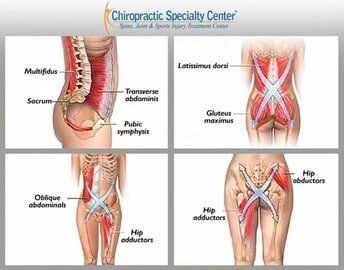
Pregnancy back pain is frequently pelvic rather than spinal. The two sacroiliac joints at the back of the pelvis and the pubic symphysis at the front loosen under hormonal influence to allow birth, and looser joints transfer more work to the surrounding muscles. The result is usually one-sided pain, low down, rather than a central ache. An assessment at CSC in Kuala Lumpur begins by separating these pelvic patterns from spinal ones.
The provoking movements share a feature: they load one leg at a time. Stairs, getting out of a car, rolling over in bed and standing on one leg to dress are the characteristic triggers, and keeping the knees together through those movements commonly reduces symptoms within days.
Pregnancy back pain and pelvic symptoms can have several explanations. This guide covers the warning signs that need urgent review, how a pregnancy-sensitive musculoskeletal assessment works, and which MyChiro page covers each topic in greater depth.
Pregnancy-related back, hip and pelvic symptoms can have several explanations. This hub helps readers recognize urgent warning signs, understand how musculoskeletal concerns are assessed, and choose the most relevant MyChiro guide. It does not diagnose symptoms online or replace antenatal, obstetric, medical or emergency care.
Seek urgent medical or obstetric assessment before musculoskeletal care
Contact your maternity team, a medical service or emergency care promptly for a severe, sudden or worsening headache; vision changes; fainting; chest symptoms or difficulty breathing; fever; severe or persistent abdominal pain; vaginal bleeding; fluid leakage; reduced fetal movement; marked swelling of the face or hands; or one-sided leg swelling or pain. These are general warning signs and are not an exhaustive list. [1,2]
After birth, new or rapidly worsening symptoms also deserve prompt assessment. Do not wait for a chiropractic or physiotherapy appointment when the concern may be obstetric, vascular, neurologic, infectious or otherwise urgent.
This guide to pregnancy back pain and pelvic changes, and what a pregnancy-sensitive assessment includes, is published by Chiropractic Specialty Center, Bukit Damansara (KL) main center: WhatsApp+60 17 269 1873 Call+603 2093 1000
How This Pregnancy Back Pain Hub Is Organized
This page works as a decision map rather than a single article that tries to answer every pregnancy question. Each section starts from a symptom location or question, gives a short explanation, and links to the dedicated page with the complete detail, which keeps the information specific and the answers consistent across the pregnancy guides.
Your main question | Start with this guide | What that guide covers |
What does pregnancy-focused chiropractic care involve? | Assessment, technique adaptation, evidence limits, referrals and what care does not claim to do. | |
My main symptom is in the lower or middle back. | Back-specific patterns, nerve signs, daily loading, assessment and postpartum considerations. | |
Walking, stairs or turning in bed affects the pubic or sacroiliac region. | Pregnancy-related pelvic girdle pain, pubic symphysis and sacroiliac symptoms. | |
The symptom is mainly at the outer hip, buttock or groin. | Hip-region symptom mapping and the difference between hip, pelvic, back and internal causes. | |
I have a headache during pregnancy or after birth. | Medical triage first, then possible neck, jaw, sleep or posture contributors. | |
I was told the baby is breech or I am researching Webster. | Technique scope, evidence limits and the distinction from obstetric external cephalic version. | |
I have lower abdominal or groin symptoms described as round-ligament pain. | Obstetric warning signs, possible mimics and the limits of musculoskeletal care. | |
I have several symptoms and do not know which page applies. | Whole-body symptom index and decision pathway. | |
I want to understand the clinic service and appointment journey. | Service scope, practitioner roles, first visit, referrals, locations and care planning. | |
My concern is mainly after childbirth. | Postpartum loading, feeding and lifting positions, core and pelvic-floor referral boundaries, and gradual activity. |
What pregnancy-related symptoms may have musculoskeletal contributors?
Musculoskeletal symptoms are symptoms influenced by joints, muscles, tendons, ligaments, nerves, posture or movement. During pregnancy, changes in body mass, center of gravity, sleep position, walking pattern and activity tolerance can alter how the back, pelvis, hips, ribs and neck are loaded. Low-back pain is frequently reported in pregnancy, but prevalence estimates vary widely across studies and do not identify the cause in an individual.
Patterns that may suggest a mechanical component include symptoms that change predictably with walking, stairs, rolling in bed, prolonged sitting, lifting, standing on one leg, reaching, feeding posture or a particular movement. Even then, “mechanical” should not be assumed until the history has addressed pregnancy stage, obstetric status, recent illness, trauma, neurologic symptoms and other possible explanations.
- Lower-back or upper-buttock symptoms that change with sitting, standing, bending or turning.
- Pubic, groin or sacroiliac-region symptoms that are more noticeable during stairs, walking, getting into a car or rolling in bed.
- Outer-hip or buttock pain associated with side lying, prolonged standing or altered gait.
- Upper-back, rib, neck or jaw tension related to sleep position, workstation posture, feeding posture or repeated carrying.
- Leg tingling, numbness or weakness that requires neurologic screening rather than an automatic “sciatica” label.
Which symptoms should not be treated as routine back or pelvic strain?
Abdominal, pelvic, groin, headache and leg symptoms can overlap with conditions that are outside chiropractic scope. The location alone does not identify whether the source is musculoskeletal, obstetric, urinary, gastrointestinal, vascular, neurologic or infectious. A pregnancy-sensitive page must therefore lead with triage and uncertainty rather than normalizing every symptom as part of pregnancy.
Symptom pattern | Why further assessment matters | Appropriate first route |
Vaginal bleeding, fluid leakage or reduced fetal movement | May relate to pregnancy-specific concerns that require maternity assessment. | Contact the obstetric or maternity team promptly. |
Severe or persistent abdominal or pelvic pain | Cannot be safely labeled as a ligament, joint or muscle problem online. | Urgent obstetric or medical assessment. |
Severe, new or worsening headache, especially with visual or neurologic change | Secondary headache causes must be considered during pregnancy and postpartum. | Urgent medical or obstetric assessment. |
One-sided leg swelling, warmth, color change or unexplained shortness of breath | Vascular causes need urgent exclusion. | Emergency or urgent medical assessment. |
Fever, urinary symptoms or feeling acutely unwell | Infection or urinary causes may refer symptoms to the back or pelvis. | Medical or obstetric assessment. |
Loss of bladder or bowel control | May represent a neurologic emergency. | Emergency medical assessment. |
Trauma, inability to bear weight or severe night symptoms | Fracture, significant injury or another non-routine cause may require imaging and medical care. | Prompt medical assessment. |
Why do back, hip and pelvic symptoms overlap during pregnancy?
The lumbar spine, sacroiliac joints, pubic symphysis, hips, abdominal wall and pelvic-floor muscles participate in the same everyday tasks. A change in one region can alter load elsewhere without proving that one structure is “misaligned” or that it is the sole cause. For example, pain while turning in bed can arise from the pelvic girdle, hip, back, abdominal wall or more than one region.
The pregnancy hip guide covers lateral hip, buttock and groin patterns. The pelvic pain guide covers pubic and sacroiliac activity-related patterns. The back pain guide covers spinal and radiating patterns. Each page also explains when the symptom does not fit a routine musculoskeletal pattern.
What should a pregnancy-sensitive assessment include?
A pregnancy-sensitive musculoskeletal assessment begins with history and referral screening before any manual procedure is discussed. The purpose is to understand the pattern, identify reasons to defer care, and decide whether the findings fit chiropractic assessment, registered physiotherapy, medical review, obstetric review or a coordinated pathway.
- Clarify pregnancy or postpartum stage, onset, location, severity, aggravating and easing factors, sleep, activity, work demands and previous episodes.
- Review relevant obstetric instructions, recent complications, medications, blood-pressure concerns, falls, fever, bleeding, fluid leakage, fetal-movement concerns and other warning signs.
- Observe comfortable movement such as walking, sitting, standing, rolling, stair simulation or a task that reproduces the concern without unnecessary provocation.
- Examine relevant joint movement, muscle function and neurologic findings within the practitioner’s scope and only when appropriate for the person’s stage and presentation.
- Explain uncertainty. Imaging findings, posture, pelvic asymmetry or muscle tightness should not be presented as proof of the cause of every symptom.
- Discuss options, alternatives, referral boundaries and what would cause the plan to pause or change.
How may chiropractic and registered physiotherapy fit into care?
Care may include education, activity modification, guided movement, exercise, soft-tissue approaches, joint mobilization or other low-force methods selected after assessment. Chiropractic services are provided by registered chiropractic practitioners, while physiotherapy services are provided by registered physiotherapists. The roles may be coordinated when appropriate, but each practitioner remains responsible for working within professional scope.
The evidence for manual care during pregnancy is limited and heterogeneous. Systematic reviews describe possible symptom or function changes in some participants, but they do not justify promises, universal protocols or claims that one branded technique is proven for every pregnancy. NICE guidance for pregnancy-related pelvic girdle pain supports physiotherapy referral for exercise advice and/or consideration of a non-rigid lumbopelvic belt, while its evidence review found insufficient evidence for manual therapy alone.
That is also how pelvic girdle pain in pregnancy is handled at CSC: manual therapy is never the whole plan. Highly specific, gentle chiropractic adjustment of the pubic bone, sacrum and pelvis with an Activator instrument is combined with gentle manual and fascial work on the round ligament and the hip adductor muscles near the groin, an approach Yama Zafer, D.C. has used for more than 30 years.
What musculoskeletal care does not do
Chiropractic and physiotherapy do not replace antenatal checkups or obstetric management. They do not treat preeclampsia, infection, blood clots, placental or cervical conditions, uterine disorders, fetal growth concerns or other internal pregnancy conditions.
Care must not be described as turning a baby, controlling fetal position, creating more room in the uterus, shortening labor, guaranteeing an easier delivery, preventing postpartum problems or being suitable for every pregnant person.
A method being gentle, low-force or non-invasive does not by itself prove that it is appropriate. Suitability depends on the history, current findings, pregnancy status, technique, practitioner and informed consent
How can the care discussion change by stage?
Pregnancy stage affects positioning, tolerance, activity, sleep and the questions that should be asked, but trimester labels do not create a fixed protocol. The individual history and obstetric instructions remain more important than the calendar alone.
Stage | Common practical questions | Assessment and planning emphasis |
Early pregnancy | Fatigue, nausea, changing exercise tolerance, previous back or pelvic history. | Confirm obstetric status, avoid assumptions about symptoms, use comfortable positioning and keep care conservative. |
Middle pregnancy | Changing gait, side-lying tolerance, pelvic or hip loading, work and travel demands. | Observe task-specific movement, discuss pacing and choose positions that do not compress the abdomen. |
Later pregnancy | Rolling in bed, stairs, standing, sleep, rib or pelvic loading, preparation for daily tasks after birth. | Prioritize comfort, easy position changes, referral boundaries and realistic function goals rather than delivery claims. |
Early postpartum | Feeding posture, carrying, sleep disruption, incision or perineal recovery, new headache, swelling or bleeding concerns. | Medical and obstetric recovery comes first; musculoskeletal care is adapted to healing status and current tolerance. |
Later postpartum | Return to work, exercise, lifting, persistent pelvic or back symptoms, continence or pelvic-floor concerns. | Gradual capacity building, registered pelvic-health referral when indicated and reassessment if progress is not as expected. |
What can readers do before an appointment?
Bring information that helps the practitioner understand the complete picture rather than only the painful area. Useful details include pregnancy or postpartum stage, the exact task that triggers symptoms, recent medical or obstetric advice, relevant imaging or reports, medication changes, previous injuries and what you hope to do more comfortably.
- Write down when the symptom began and whether it is stable, improving, worsening or changing in character.
- Note whether walking, stairs, rolling, sitting, coughing, lifting, feeding or sleep position changes the symptom.
- List warning signs or pregnancy-specific changes even when they seem unrelated to the back or pelvis.
- Wear clothing that permits comfortable movement assessment without requiring exposure beyond what is necessary.
- Ask who will provide each service, what their registration is, what method is proposed, what alternatives exist and when referral would be recommended.
How should self-management be approached?
General self-management should reduce unnecessary strain without becoming a rigid online prescription. Many people find it useful to change positions regularly, divide larger tasks into smaller steps, keep loads close to the body, use support when rolling or rising, and avoid repeatedly forcing a movement that clearly worsens symptoms. Exercise and heat or cold use should be discussed with the appropriate obstetric or medical professional when there is uncertainty.
Activity is not automatically harmful, and prolonged avoidance can also reduce confidence and capacity. Current obstetric guidance supports physical activity for many uncomplicated pregnancies, with individual modification and medical guidance where contraindications or symptoms are present. The goal is a realistic level of movement that matches the person’s health status, symptoms and obstetric advice.
When is a postpartum reassessment useful?
Postpartum recovery is not a single six-week event. Symptoms can be influenced by birth recovery, sleep disruption, feeding and carrying positions, reduced conditioning, abdominal-wall function, pelvic-floor concerns and return-to-work demands. WHO postnatal guidance emphasizes continuing assessment and support rather than assuming that every concern is routine.
A musculoskeletal reassessment may be useful when a back, pelvic, hip, neck or wrist concern affects walking, sleep, feeding, lifting or gradual return to activity. New severe headache, heavy or increasing bleeding, fever, breathing difficulty, chest symptoms, one-sided leg swelling, severe abdominal pain or rapidly worsening symptoms require medical or obstetric evaluation rather than routine manual care.
For further reading, the sacroiliac joint and tailbone pain (coccydynia) are closely related topics. Also, our back pain guide brings our lower back, pelvis and leg topics together in one place.
- Exercise for Pregnant Women: A Gentle, Practical Guide
- Chiropractor in Bandar Sri Damansara with Physiotherapy
- Hip Care With Gentle & Non-Invasive For All Ages
- Headache and Migraine in KL: Causes & the Upper Neck's Role
- Posture Correction for Desk and Office Work
- Mattress for Back Pain: Firmness, Support, Posture
- Sciatica Treatment: What the First Weeks Involve
Readers who want to know costs first can check the chiropractic fees in Kuala Lumpur and physiotherapy price in Kuala Lumpur pages.
Contact Chiropractic Specialty Center
For a pregnancy-sensitive musculoskeletal assessment, use the verified center and contact routes below. Urgent obstetric, medical or emergency symptoms should be directed to the appropriate medical service rather than an appointment request.
Center | Address / location route | Telephone | Hours | |
Bukit Damansara: Kuala Lumpur | No. 71, Jalan Medan Setia 1, Plaza Damansara, Bukit Damansara, 50490 Kuala Lumpur | +603 2093 1000 | +60 17 269 1873 | Monday-Friday 8:00 AM-8:00 PM; Saturday-Sunday 8:00 AM-6:00 PM |
Bandar Sri Damansara | See the verified branch contact page for the current address and map pin | +603 6262 5777 | +60 12 455 6939 | Monday-Friday 8:00 AM-8:00 PM; Saturday-Sunday 8:00 AM-6:00 PM |
Bukit Damansara headquarters contact details | Bandar Sri Damansara contact details | CSC services
Questions About Pregnancy Back and Pelvic Care
These answers are broad, and the linked guides cover each topic in detail. Individual symptoms still require an appropriate history and assessment.
Is back or pelvic pain always normal during pregnancy?
Which page should I read for pain when turning in bed?
Can pregnancy chiropractic care replace my obstetric visits?
Is every gentle chiropractic technique appropriate during pregnancy?
Can chiropractic care turn a breech baby?
Can I receive physiotherapy and chiropractic during the same period?
How many visits will I need?
Where can I read about postpartum concerns?
References
References support the specific educational statements cited in this page. They do not establish that every intervention is appropriate for every pregnant or postpartum patient.
- Centers for Disease Control and Prevention. Urgent Maternal Warning Signs. Hear Her Campaign. Accessed July 29, 2026.
- Ministry of Health Malaysia, Medical Development Division. Handbook of Obstetrics Guideline. Putrajaya: Ministry of Health Malaysia; 2024. MOH/P/PAK/535.24(GU)-e.
- Royal College of Obstetricians and Gynaecologists. Pelvic girdle pain and pregnancy. Patient information. Accessed July 29, 2026.
- National Institute for Health and Care Excellence. Antenatal care. NICE guideline NG201. Published August 19, 2021; current online guidance accessed July 29, 2026.
- National Institute for Health and Care Excellence. Antenatal care: rationale and impact for management of pelvic girdle pain in pregnancy. NICE guideline NG201. Accessed July 29, 2026.
- Weis CA, Pohlman KA, Draper C, daSilva-Oolup S, Stuber K, Hawk C. Chiropractic care for adults with pregnancy-related low back, pelvic girdle pain, or combination pain: a systematic review. J Manipulative Physiol Ther. 2020;43(7):714-731.
- Hall H, Cramer H, Sundberg T, Ward L, Adams J, Moore C, et al. The effectiveness of complementary manual therapies for pregnancy-related back and pelvic pain: a systematic review with meta-analysis. Medicine (Baltimore). 2016;95(38):e4723.
- Weis CA, Stuber K, Murnaghan K, Wynd S. Adverse events from spinal manipulations in the pregnant and postpartum periods: a systematic review and update. J Can Chiropr Assoc. 2021;65(1):32-49.
- American College of Obstetricians and Gynecologists. Physical Activity and Exercise During Pregnancy and the Postpartum Period. Committee Opinion No. 804. Obstet Gynecol. 2020;135(4):e178-e188.
- World Health Organization. WHO recommendations on maternal and newborn care for a positive postnatal experience. Geneva: World Health Organization; 2022.
- Salari N, Mohammadi A, Hemmati M, Hasheminezhad R, Kani S, Shohaimi S, et al. The global prevalence of low back pain in pregnancy: a comprehensive systematic review and meta-analysis. BMC Pregnancy Childbirth. 2023;23:830.
The Author of Pregnancy Back Pain in KL: Causes and How It Is Assessed
Pregnancy Back Pain in KL: Causes and How It Is Assessed was written by Yama Zafer, D.C., who has 30+ years in chiropractic and physiotherapy and founded Chiropractic Specialty Center in Kuala Lumpur in 2006.
Last Updated: Pregnancy Back Pain and Pelvic Changes in KL
Pregnancy Back Pain and Pelvic Changes in KL was last reviewed and updated on October 3, 2026.