

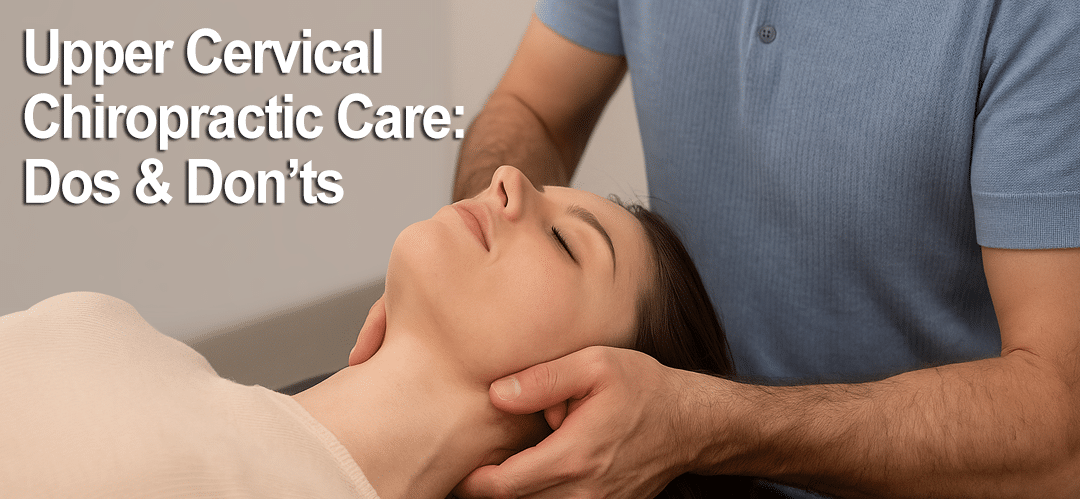
Upper Cervical Chiropractor: What C0-C3 Covers
An upper cervical chiropractor works on the region where the skull meets the first three cervical segments: the occiput-C1, C1-C2 and C2-C3 joints. It is a small area with an outsized role in head position, rotation and headache, and it is also an area where claims frequently outrun the evidence.
Findings here can reasonably explain restricted head turning, headache at the back of the head, and neck stiffness that follows position. They do not automatically explain dizziness, tinnitus, visual changes or facial symptoms. Methods at this level are low-force and non-twisting, and what will be done should be explained before it is.
For more information about an upper cervical chiropractor, contact the Bukit Damansara (KL) main center: WhatsApp+60 17 269 1873 Call+603 2093 1000
What Is the Upper Cervical Spine?
The upper cervical region differs from the lower neck in shape and movement.
| Region | Plain-language description | Main movement and assessment considerations |
| Occiput-C1 | The base of the skull meets the atlas, the first cervical vertebra. | Contributes mainly to nodding and small multi-directional movements. Assessment may consider motion, tenderness, muscle guarding, headache patterns, trauma history, and neurological or vascular concerns. |
| C1-C2 | The atlas meets the axis, the second cervical vertebra. | Contributes substantially to head rotation. Method selection should consider age, trauma, degeneration, instability, vascular risk, neurological symptoms, bone health, medication, and tolerance. |
| C2-C3 | The upper neck transitions toward the more typical lower cervical joints. | May be considered with upper-neck pain, headache patterns, segmental movement, upper-back relationships, and cervical disc or facet findings. Symptoms do not identify this level with certainty. |
The upper cervical region is not a separate system. Jaw function, shoulders, upper back, eyes, inner ear, headache disorders, medication, blood pressure, sleep, stress, systemic illness, trauma, and neurological or vascular conditions may also affect symptoms or the assessment pathway.
For broad neck pain causes, cervical disc and nerve patterns, warning signs, imaging, self-management, and care pathways, read the neck pain guide. For detailed first-visit preparation, testing, imaging review, consent, and fees, read what happens during a neck pain assessment in Kuala Lumpur.
What Symptoms May Lead Someone to Ask About Upper Cervical Care?
People may ask about upper-cervical care when they experience:
- Pain or stiffness near the base of the skull.
- Limited or uncomfortable head turning.
- Upper-neck symptoms after prolonged desk work, driving, sleep, exercise, or a previous injury.
- Headache patterns that appear to be associated with neck movement or sustained posture.
- Neck symptoms extending toward the upper back, shoulder blade, shoulder, jaw, arm, or hand.
- A scan or report mentioning C0-C1, C1-C2, C2-C3, atlas, axis, facet change, degeneration, stenosis, or another upper-cervical term.
- Dizziness, imbalance, tinnitus, visual symptoms, facial symptoms, or other complaints occurring alongside neck symptoms.
These patterns do not diagnose an upper-cervical cause. A symptom may have several explanations, and some require assessment outside chiropractic or physiotherapy.
Upper Neck Assessment at Two KL Centers
Upper-neck assessments are available at both centers of Chiropractic Specialty Center. When you book, mention whether symptoms followed trauma, whether you have new numbness, weakness, dizziness, severe headache, fainting or visual or speech changes, and whether you have imaging. Directions are on the Bukit Damansara contact page and the Bandar Sri Damansara contact page.
- Bukit Damansara (KL, main center): Call +603 2093 1000 or WhatsApp +60 17 269 1873 to see the Bukit Damansara / KL center.
- Bandar Sri Damansara (KL): Call +603 6262 5777 or WhatsApp +60 12 455 6939 to see the Bandar Sri Damansara center.
Can Upper Cervical Problems Cause Headaches?
Some headache patterns may be associated with neck movement, sustained posture, muscle or joint findings, or previous injury. However, headaches may also be migraine, tension-type, medication-related, vascular, infectious, eye-related, dental, sinus-related, systemic, or due to another cause.
For a full discussion of headache types and their causes, see the headache and migraine guide. This page covers only the neck-related part.
What About Dizziness or Vertigo?
Dizziness is an umbrella term. People may mean spinning, lightheadedness, imbalance, motion sensitivity, faintness, visual instability, or another sensation. Possible explanations include inner-ear conditions, benign paroxysmal positional vertigo, migraine, medication effects, cardiovascular or neurological problems, dehydration, anxiety, visual factors, systemic illness, and neck-related sensory factors.
Neck stiffness or pain can occur with dizziness, but that association does not prove the neck is the cause. The assessment should not assume that an “atlas adjustment” will correct vertigo or blood flow. Inner-ear, neurological, cardiovascular, medication, and other causes may need to be considered first or in parallel.[1,2]
For more on dizziness and when the neck may play a part, see the guide to headaches and related symptoms.
Can Upper Cervical Care Address Tinnitus, Vision, Facial Symptoms, or Swallowing?
Tinnitus, visual symptoms, facial numbness or weakness, and swallowing difficulty should not be attributed automatically to an upper-cervical joint or “misalignment.” These symptoms can involve ear, eye, dental, jaw, neurological, vascular, medication, or other medical factors.
A chiropractic or physiotherapy assessment may consider accompanying neck, jaw, muscle, posture, or movement findings within scope, but it should not delay appropriate medical, ear, eye, dental, or neurological evaluation.
What Happens During an Upper Cervical Assessment?
The assessment begins with the history and risk context, not a predetermined adjustment.
History and symptom behavior
The practitioner may ask:
- When symptoms began and whether they followed trauma, infection, illness, dental care, exercise, or another event.
- Whether pain remains local or extends toward the head, jaw, upper back, shoulder, arm, or hand.
- Whether there is numbness, tingling, weakness, coordination change, altered walking, dizziness, faintness, visual symptoms, tinnitus, headache, nausea, swallowing difficulty, or other associated symptoms.
- How turning, looking up or down, sitting, driving, screen use, sleep, lifting, coughing, exercise, or posture affects symptoms.
- Whether the person has osteoporosis, inflammatory disease, previous cervical surgery, vascular history, migraine, high blood pressure, blood-thinning medication, steroid use, recent trauma, or another relevant factor.
Physical and functional review
Depending on the presentation, assessment may include posture, head and neck movement, upper-back and shoulder movement, muscle response, balance, gait, coordination, joint motion, jaw movement, and task-related function.
A provocative movement or test should be modified or deferred when it could unnecessarily increase symptoms or risk.
Neurological and vascular reasoning
Relevant assessment may include sensation, muscle strength, reflexes, coordination, cranial-nerve-related observations within scope, gait, balance, symptom distribution, and questions intended to identify whether medical referral is needed.
No single positional test can guarantee that vascular or neurological risk is absent. Contemporary frameworks emphasize history, clinical reasoning, risk factors, symptom behavior, and appropriate referral rather than relying on one “clearance” maneuver.[3]
Imaging and reports
An MRI, X-ray, CT scan, specialist letter, or other report is not automatically required before every upper-neck assessment. Bring existing records when available. Imaging findings should be correlated with symptoms, history, examination, and function because degenerative or structural findings may be present without matching symptoms.[4,5]
Further imaging or medical assessment may be discussed when it could answer a relevant question, investigate trauma or instability, evaluate progressive neurological findings, or clarify a referral.
Does “Atlas Misalignment” Describe a Diagnosis?
“Atlas misalignment” is commonly used in public-facing chiropractic language, but it can be misleading when it implies that a vertebra is simply out of place or that one measurement proves the cause of a person’s symptoms.
A responsible explanation should focus on:
- Joint movement and function.
- Symptoms and their behavior.
- Muscle guarding and movement patterns.
- Trauma, degeneration, instability, and neurological considerations.
- Imaging findings when clinically relevant.
- What remains uncertain.
There is no good evidence that an atlas can be permanently “realigned,” that a correction restores blood flow or brainstem function, or that structural positioning explains every headache, dizziness, tinnitus or balance concern.
How Are Upper Cervical Chiropractic Methods Selected?
Method selection should follow assessment, not marketing. Possible approaches may include:
- Gentle mobilization.
- Lower-force or instrument-assisted methods.
- Positioning or blocking methods.
- Selected manual joint techniques when suitable.
- Flexion-distraction or related methods when the broader cervical presentation and equipment make them relevant.
- Movement guidance and education.
“Upper cervical,” “specific,” “precise,” “gentle,” “non-rotatory,” and “low-force” describe an approach or characteristic. They do not prove that a method is risk-free, superior, or appropriate for every diagnosis or age group.
The practitioner should explain why a method is being proposed, what alternatives exist, the relevant risks and limitations, and what would lead to modification, referral, or stopping.
What About Rotational or Forceful Neck Techniques?
The decision should not be reduced to one universal rule. Age, trauma, vascular and neurological history, bone health, degeneration, instability, medication use, previous surgery, symptom behavior, examination, and patient preference all affect method selection.
Forceful, rapid, end-range, repeated, or entertainment-style neck pulling should not be treated as necessary because a video makes it appear dramatic. A technique should be selected for a clinical purpose, with informed consent, appropriate precautions, and a plan to monitor response. A person may decline a proposed method.
This page does not endorse or condemn every method by name. It explains that method choice must be individualized and that no manipulation can be guaranteed completely safe.
How May Registered Physiotherapy or Rehabilitation Support the Upper Neck?
Registered physiotherapy may assess mobility, muscle performance, endurance, coordination, posture, upper-back and shoulder function, balance, gait, activity tolerance, and rehabilitation goals. Depending on the findings, care may include:
- Mobility and movement-control work.
- Soft-tissue methods.
- Graded neck, shoulder, and upper-back exercise.
- Balance or gaze-related rehabilitation when it is within physiotherapy scope and the cause has been appropriately considered.
- Ergonomic and task-specific guidance.
- Progressive return to work, driving, exercise, or sport.
Chiropractic and physiotherapy may be provided separately or coordinated when each has a distinct role. Read the chiropractic combined with physiotherapy guide.
What Can You Do While Waiting for an Assessment?
General steps may include:
- Avoid repeatedly forcing the neck into painful end-range positions.
- Change desk, screen, and driving positions regularly rather than holding one “perfect” posture.
- Avoid copying forceful neck manipulation or pulling from online videos.
- Keep a short record of symptom triggers, associated dizziness or headache features, medication changes, and neurological symptoms.
Special Precautions
Older adults, osteoporosis, and medication use
Bone health, falls, fracture risk, anticoagulants, steroids, blood-pressure medication, previous stroke or vascular disease, degeneration, and neurological findings may require modification, imaging, medical review, or another pathway.
Pregnancy
Pregnancy may change positioning, comfort, medication use, blood pressure, headache assessment, and referral needs.
Children and adolescents
A child or adolescent with neck pain, headache, dizziness, neurological symptoms, trauma, fever, or systemic illness requires age-appropriate assessment. No technique should be presented as universally suitable for children.
Previous cervical surgery or instability
Previous surgery, known instability, inflammatory disease, congenital differences, significant degeneration, or trauma may require records, imaging, specialist input, method modification, or exclusion from a proposed procedure.
Opening Hours at the Two KL Centers
Both the Bukit Damansara and Bandar Sri Damansara centers are open Monday to Friday from 8:00 AM to 8:00 PM, and Saturday and Sunday from 8:00 AM to 6:00 PM. Please confirm practitioner and service availability before traveling.
What Should You Bring?
- Existing MRI, X-ray, CT, reports, referral letters, and previous-care notes when relevant.
- A medication list, including blood-thinning, steroid, osteoporosis, migraine, blood-pressure, or dizziness-related medication when applicable.
- Details of trauma, fainting, severe headache, neurological change, visual symptoms, tinnitus, dizziness, swallowing problems, or recent illness.
- Comfortable clothing that allows the neck, shoulders, upper back, balance, and movement to be assessed.
- Questions about methods you do or do not consent to.
Planning a visit? You can review the current chiropractic price in Kuala Lumpur and physiotherapy fees in Kuala Lumpur before you come in.
Frequently Asked Questions
What does “upper cervical chiropractor” mean?
It generally refers to a chiropractor who assesses and may use methods focused on the upper neck near C0-C3. The term does not by itself describe one standardized technique, qualification, diagnosis, or guaranteed result.
Is C1 the atlas and C2 the axis?
Yes. C1 is commonly called the atlas and C2 the axis. Their anatomy supports substantial head-and-neck movement, especially rotation at C1-C2.
Can symptoms tell me which upper-cervical level is involved?
Not with certainty. Symptom location can guide assessment, but muscles, joints, discs, nerves, jaw, upper back, headache disorders, inner ear, systemic illness, and other factors can overlap.
Can upper cervical chiropractic cure vertigo?
No cure claim is appropriate. Vertigo and dizziness have several possible causes, including inner-ear and neurological conditions.
Can an atlas adjustment restore blood flow?
This page does not support a claim that an atlas adjustment restores blood flow or corrects a vascular cause. Vascular and neurological concerns require careful clinical reasoning and referral when indicated.[3]
Can upper cervical care treat tinnitus?
Tinnitus should not be attributed automatically to the neck. Neck or jaw factors may be assessed when relevant, but ear, medication, neurological, vascular, and other causes may require medical or audiology review.
Can neck problems cause headaches?
Some headache patterns may be associated with neck findings, but headaches have many possible causes.
Do I need an X-ray before upper cervical care?
Not automatically. Existing imaging may help in selected cases. Further imaging may be discussed for trauma, instability, progressive neurological findings, surgical history, or another question that could change the decision.
Is a low-force method always safe?
No. Lower force does not mean zero risk or universal suitability. History, findings, body region, method, consent, and precautions remain important.
Will my neck be rotated or twisted?
Method selection varies. Ask the practitioner to explain the proposed method before it begins. You may decline rotation, request a lower-force alternative, ask for another opinion, or stop a procedure.
Can chiropractic and physiotherapy be combined for upper-neck symptoms?
They may be coordinated when each has a distinct role, such as joint movement assessment alongside muscle, balance, posture, or rehabilitation needs. They may also be provided separately.
How many visits will I need?
A responsible number cannot be fixed from an online description. The plan should be reviewed according to findings, goals, response, function, tolerance, and preference.
Is upper-cervical care suitable after whiplash?
Trauma requires careful assessment. Severity, timing, neurological findings, fracture risk, instability, imaging, and medical advice affect suitability. Read the whiplash assessment guide.
Is upper-cervical care suitable for older adults?
It may or may not be. Bone health, degeneration, medication, vascular and neurological history, previous surgery, balance, and falls risk may require modification, medical review, or another pathway.
Can I arrange a consultation without agreeing to an adjustment?
Yes. A first visit is an assessment and discussion. You may ask questions, decline a proposed method, request modification, or choose not to proceed.
References
- Bhattacharyya N, Gubbels SP, Schwartz SR, et al. Clinical practice guideline: benign paroxysmal positional vertigo (update). Otolaryngol Head Neck Surg. 2017;156(3 suppl):S1-S47.
- Feller D, Chiarotto A, Koes B, et al. Red flags for potential serious pathologies in people with neck pain: a systematic review of clinical practice guidelines. Arch Physiother. 2024;14:105-115.
- Rushton A, Carlesso LC, Flynn T, et al. International framework for examination of the cervical region for potential of vascular pathologies of the neck prior to musculoskeletal intervention: International IFOMPT Cervical Framework. J Orthop Sports Phys Ther. 2023;53(1):7-22.
- Brinjikji W, Luetmer PH, Comstock B, et al. Systematic literature review of imaging features of spinal degeneration in asymptomatic populations. AJNR Am J Neuroradiol. 2015;36(4):811-816.
- Smith SS, Stewart ME, Davies BM, Kotter MRN. The prevalence of asymptomatic and symptomatic spinal cord compression on magnetic resonance imaging: a systematic review and meta-analysis. Global Spine J. 2021;11(4):597-607.
- Blanpied PR, Gross AR, Elliott JM, et al. Neck pain: revision 2017. J Orthop Sports Phys Ther. 2017;47(7):A1-A83.
- National Institute for Health and Care Excellence. Shared decision making. NICE guideline NG197. 2021.
The numbers in brackets in the text refer to this list. None of these references evaluates a care program at Chiropractic Specialty Center. The journal articles can be checked through their free PubMed records.
The Author of Upper Cervical Chiropractor in KL: What It Covers
Upper Cervical Chiropractor in KL: What It Covers was written by Yama Zafer, D.C., a graduate of Cleveland University - Kansas City with 30+ years in chiropractic and physiotherapy.
Last Updated: Upper Cervical Chiropractor: What C0-C3 Covers
Upper Cervical Chiropractor: What C0-C3 Covers was last reviewed and updated on September 25, 2026.