


PCL Injury Care in KL: Gentle Knee Rehabilitation
A PCL injury involves the posterior cruciate ligament, the band inside the knee that stops the shin sliding backward on the thigh bone. It is the strongest ligament in the knee and is torn far less often than the anterior cruciate, typically when force drives the top of the shin backward while the knee is bent.
Dashboard impacts in vehicle collisions, falls onto a bent knee, and heavy tackles are the classic mechanisms. A higher proportion of PCL injuries than ACL injuries are managed without surgery. Rehabilitation centers on the quadriceps, which take over much of the ligament's restraining role, with hamstring work introduced more carefully early on. A knee that feels as though it drops backward going downstairs is the symptom to report.
A PCL injury involves the posterior cruciate ligament, one of the key structures that helps keep the knee stable during walking, stairs, bending, and sports-related activity. This type of knee injury often happens after a fall onto a bent knee, a sports-related impact, or a sudden force such as a dashboard injury during a car accident. Common signs may include swelling, knee instability, reduced confidence when walking, and difficulty bearing weight.
At Chiropractic Specialty Center in Kuala Lumpur, our PCL injury care page explains how posterior cruciate ligament injuries are assessed, what symptoms may suggest different grades of injury, and how gentle knee rehabilitation, chiropractic adjustment, physiotherapy, and guided exercise may be used as part of non-surgical care.
The sections below cover causes, symptoms, home care steps, rehabilitation, and long-term knee stability so you can better understand the recovery pathway for both newer and long-standing PCL-related knee concerns.
This guide to a PCL injury, from knee stability to rehabilitation, is published by Chiropractic Specialty Center, Bukit Damansara (KL) main center: WhatsApp+60 17 269 1873 Call+603 2093 1000
5 Key Things to Know About PCL Injury, Knee Stability & Recovery
- Knee instability is the most common complaint.
A PCL injury often makes the knee feel loose, wobbly, or less trustworthy, especially during stairs, downhill walking, squatting, and sports-related movement. - Early assessment helps identify the grade of injury.
Physical examination and imaging may help determine whether the PCL has a mild strain, partial tear, or a more significant ligament injury involving nearby knee structures. - Stairs and downhill walking often feel worse first.
These movements place greater load through the back of the knee and commonly make instability symptoms more noticeable. - Rehabilitation should focus on strength and movement control.
Guided exercises, walking correction, and muscle strengthening are important for improving knee stability and restoring confidence in daily movement. - Some PCL injuries involve other knee structures.
The meniscus, cartilage, or posterolateral corner (PLC) may also be affected, especially after sports injuries, falls, or dashboard-type trauma.
PCL Injury Guide: Symptoms, Stability, Recovery & Knee Rehabilitation
Why a PCL Injury Often Feels Worse on Stairs and Downhill Walking
When the posterior cruciate ligament is injured, the shin bone may move slightly backward during bending, walking, or stair use. This often makes the knee feel less steady, especially when going downstairs, walking downhill, squatting, or getting up from a chair.
Many people describe the knee as feeling loose, wobbly, or as if it may give way. In milder cases, walking on flat ground may still feel manageable, but stairs and slopes commonly make symptoms more noticeable.
Because this movement pattern places greater load on the front and central parts of the knee, some individuals also notice pain around the kneecap or a sense of weakness during weight-bearing activity.
Is Pain Behind the Knee Related to a PCL Injury?
Pain behind the knee is one of the most common complaints with a posterior cruciate ligament (PCL) injury, especially after a fall onto a bent knee, a sports collision, or a dashboard-type impact during a motor vehicle accident.
Unlike front knee symptoms that are often felt around the kneecap, PCL-related pain is commonly noticed deeper in the back part of the knee joint. Some people describe it as pressure, tightness, soreness, or a pulling sensation that becomes more noticeable during bending, stair use, squatting, or longer walks.
This type of symptom may happen because the PCL helps prevent the shin bone from moving too far backward when the knee bends. When the ligament is strained or torn, the mechanics of the knee can change, increasing stress through the back of the joint and surrounding soft tissues. This often becomes more noticeable when going downstairs, walking downhill, or slowing down from a walk or run.
Because pain behind the knee may also involve nearby structures such as the popliteus tendon, meniscus, hamstrings, or the posterolateral corner, a careful knee assessment is important to determine whether the PCL is the main structure involved.
When a PCL Injury May Also Involve the Posterolateral Corner (PLC)
A PCL injury does not always happen alone.
In more significant knee injuries, the posterolateral corner (PLC) may also be involved. The PLC includes important structures on the outer-back side of the knee that help control side-to-side stability, outward rotation, and control during walking, pivoting, and stair use.
When both the PCL and PLC are involved, the knee may feel more unstable than with an isolated PCL injury. People commonly describe the knee as giving way, shifting outward, or feeling less steady on stairs, uneven ground, downhill walking, or during turning movements. In some cases, the knee may also feel unstable when changing direction during sports or daily movement.
A combined PCL and PLC injury often creates more noticeable functional complaints, particularly:
- knee giving way on stairs
- instability when walking downhill
- wobbling during turning or pivoting
- side-to-side looseness
- difficulty trusting the knee during sports
Because combined ligament injuries can change long-term knee mechanics, this section is extremely important for both patient education and search relevance.
Learn How Your Knees Work Together With the Rest of Your Body
Knee stability depends on timing and alignment from the ground up. CSC also holds knee health talks in Kuala Lumpur from time to time; they are paused at the moment, so for the next date, send a WhatsApp message to the Bukit Damansara main center at +60 17 269 1873.
Understanding The Prevalence Of PCL Injuries
Posterior cruciate ligament injuries account for less than 20% of all knee ligament injuries. Often, they coincide with additional damage to other knee structures, such as cartilage or adjacent ligaments. In some cases, a PCL injury may involve a fragment of the bone breaking off. Timely and precise care is essential to avoid further complications.
At CSC, we specialize in the assessment and care of PCL injuries, ensuring that every aspect of your recovery is addressed with precision. Contact us to begin your holistic care today.
How Do PCL Injuries Happen?
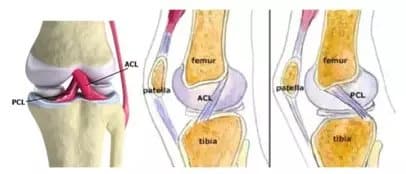
PCL injuries typically occur due to trauma, such as a direct blow to a bent knee. Common causes include:
- Falling on a flexed knee.
- Knee impact during vehicular accidents (e.g., striking the dashboard).
- Sports-related incidents, particularly in activities like skiing, rugby, football, and tennis.
PCL injuries are categorized into three grades based on severity:
- Grade I: Partial tear with minimal instability.
- Grade II: More pronounced tear with increased laxity.
- Grade III: Complete tear causing significant instability.
CSC’s chiropractors and physiotherapists specialize in diagnosing and addressing both acute and chronic PCL injuries through evidence-based approaches.
Identifying Symptoms Of A PCL Injury

Unlike ACL injuries, PCL injuries rarely involve a “popping” sound. However, they can result in significant functional impairments if left unattended. Common symptoms include:
- Difficulty bearing weight or walking.
- Instability or a wobbly feeling in the knee.
- Swelling, ranging from mild to severe.
- Pain or limited movement.
Prolonged neglect of PCL injuries can accelerate the development of osteoarthritis, emphasizing the importance of prompt care.
Understanding PCL Injury and How It’s Assessed
PCL injuries often result from direct trauma or hyperextension of the knee, commonly seen in sports or car accidents. During your evaluation at CSC, our experts will ask detailed questions to understand the circumstances of your injury, such as:
- The position of your knee at the time of injury (twisted, bent, or straight).
- Immediate symptoms experienced post-injury.
- Any recurrent or ongoing pain in your knee.
Precise Identification of PCL Injuries
Our chiropractors and physiotherapists conduct thorough assessments, including:
- Physical Examination: Gentle knee manipulation to evaluate movement and stability.
- Gait Analysis: Observing your walking motion for abnormalities.
- Diagnostic Imaging: X-rays to rule out bone injuries and MRIs for detailed visualization of ligament tears.
This comprehensive approach ensures an accurate understanding of your injury’s severity.
Home Care for PCL Injuries: PRICE Protocol
To manage swelling and pain at home, follow the PRICE protocol:
- Protect your knee from further injury.
- Rest to allow recovery.
- Ice for 10-15 minutes, 2-3 times a day.
- Compress with an elastic bandage for support.
- Elevate your knee to reduce swelling.
While these measures provide temporary respite, professional care is essential for full recovery.
Chiropractic and Physiotherapy Care in Malaysia
CSC’s holistic and personalized care approach for PCL injuries has garnered recognition as one of the KL based chiropractic centers with physiotherapy services in Malaysia. Our non-surgical methods combine hands-on care with a staged loading program, without invasive procedures.
Rehabilitation for PCL Injuries: Why Our Approach is Better
Rehabilitation is critical to restoring knee stability, strength, and range of motion. CSC’s collaborative care include:
- Chiropractic Adjustments: Realignment of knee and leg joints to promote recovery.
- Physiotherapy Modalities: High-intensity laser therapy, shockwave therapy, and manual care to reduce inflammation and improve mobility.
- Targeted Rehabilitation Exercises: Customized programs to strengthen knee structures and support recovery.
Our methods follow the staged rehabilitation sequence the knee needs, with the aim of rebuilding control as well as strength.
Clinical Technology Used Alongside Rehabilitation
Our modern care technologies, including Spinercise® rehabilitation machines and targeted physiotherapy devices, provide unparalleled care for PCL injuries. These innovative methods improve your knee’s recovery capacity, allowing you to regain mobility and return to daily activities sooner.
Why Choose CSC for PCL Recovery?
- Expert Team: Our chiropractors and physiotherapists have extensive experience caring for complex knee injuries.
- Integrated Care: Holistic care plans combining chiropractic and physiotherapy.
- Modern Technology: Clinical devices are selected to suit the stage of recovery rather than applied as a standard protocol.
- Staged Recovery: Care is paced to how much of the ligament is torn and how stable the knee is.
Posterior Cruciate Ligament Care in KL
Take the first step toward a non-surgical recovery by contacting CSC for expert care. Let our experienced chiropractors and physiotherapists guide you on your journey to improved knee health and mobility. Call us now to schedule an appointment!
For a helpful overview of knee loading, strengthening, and safer exercise progression, view this knee causes and exercises video.
If you want to see how this fits with related problems, our back pain guide brings our lower back, pelvis and leg topics together in one place.
Before booking, the chiropractic prices in Kuala Lumpur and physiotherapy prices in Kuala Lumpur pages show each session fee and the package options.
Why the PCL Is Treated Differently From the ACL
People often arrive expecting the ACL conversation, and the PCL is a different problem.
- Isolated PCL injuries are frequently managed without surgery. The ligament has a better blood supply and the knee tolerates its loss more readily than it tolerates ACL loss, particularly for people whose activities are straight-line rather than pivoting.
- The quadriceps is the key muscle. It resists the backward sag of the tibia that a PCL injury allows, so quadriceps strength is the centerpiece of the program rather than one item in it.
- Combined injuries change everything. A PCL injury with a posterolateral corner injury, a collateral ligament injury or a meniscal tear behaves differently and usually needs a surgical opinion.
- Grade matters more than it does elsewhere. The staging of the program follows how much posterior translation the knee shows, which is why the assessment comes before the plan.
The Staged Program, and What Each Stage Is For
- Early: protect and control swelling, and regain extension. Quadriceps activation begins immediately, because it is the muscle that is most inhibited and most needed.
- Middle: build quadriceps strength through range, while avoiding isolated hamstring work early on, since the hamstrings pull the tibia in the direction the injured ligament is meant to resist.
- Later: control under load. Single-leg work, deceleration, and the specific demands of your sport or job.
- Return by capacity, not by calendar. Compared with the other leg, and against the task you are returning to.
- Months, not weeks. A program measured in weeks is a program that has not finished.
When a Knee Needs Urgent Assessment
- A knee that gives way repeatedly, or feels unstable going down stairs.
- Numbness, coldness or loss of pulse below the knee, which is an emergency.
- Rapid swelling within an hour of injury, or an inability to bear weight.
- A hot, red, swollen knee with fever.
- A high-energy injury such as a dashboard impact in a car accident, where more than one structure is often involved.
Related Knee Injury, Meniscus & Rehabilitation Pages in KL
PCL injuries do not always happen in isolation. Depending on how the knee was injured, nearby structures such as the meniscus, surrounding ligaments, cartilage surfaces, and movement mechanics may also need attention during recovery.
If your symptoms involve locking, giving way, swelling after activity, pain with stairs, or sports-related strain, the pages below may help you explore related knee concerns and recovery options in more detail:
- Knee Care in KL & PJ at CSC : a broader guide for knee-related concerns
- Meniscus Tear Care, when twisting or locking symptoms are present
- Runner’s Knee: for front knee symptoms linked to walking or sports
- Overuse Knee Injury: for repetitive strain and activity-related knee issues
- Knee Arthritis Care : for age-related joint wear and stiffness
- Knee Exercises for Joint Function: guided strengthening and recovery exercises
These pages can help you better understand whether the knee concern may be isolated to the PCL or involve other structures that commonly affect walking, stability, and longer-term joint function.
PCL Injury FAQ: Knee Stability, Recovery, Walking & Rehabilitation in KL
These frequently asked questions cover the most common concerns people have after a posterior cruciate ligament (PCL) injury, including knee instability, stair use, walking confidence, rehabilitation, recovery time, and when nearby structures such as the meniscus or posterolateral corner may also be involved. The answers below are written to help you better understand what to expect during recovery and what signs may need closer evaluation.
Why does my knee feel unstable after a PCL injury?
Why is going downstairs harder with a PCL injury?
Do I need to renew my license?
Can a PCL injury heal without surgery?
How long does PCL rehabilitation usually take?
Can a PCL injury affect sports performance?
Peer-Reviewed Medical References:
- Voos JE, Mauro CS, Wente T, Warren RF, Wickiewicz TL. Posterior cruciate ligament: anatomy, biomechanics, and outcomes. Am J Sports Med. 2012;40(1):222-231.
- Fernandez M, Pugh D. Multimodal and interdisciplinary management of an isolated partial tear of the posterior cruciate ligament: a case report. J Chiropr Med. 2012;11(3):184-189.
- Amis AA, Gupte CM, Bull AMJ, Edwards A. Anatomy of the posterior cruciate ligament and the meniscofemoral ligaments. Knee Surg Sports Traumatol Arthrosc. 2006;14(3):257-263.
- Malone AA, Dowd GSE, Saifuddin A. Injuries of the posterior cruciate ligament and posterolateral corner of the knee. Injury. 2006;37(1):2-10.
- Hamill J, Knutzen K. Biomechanical basis of human movement. 4th ed. Philadelphia: Lippincott Williams & Wilkins; 2018.
The Author of PCL Injury Care in KL | Gentle Knee Rehabilitation
PCL Injury Care in KL | Gentle Knee Rehabilitation was written by Yama Zafer, D.C., who has 30+ years in chiropractic and physiotherapy and founded Chiropractic Specialty Center in Kuala Lumpur in 2006.
Last Updated: PCL Injury Care in KL: Gentle Knee Rehabilitation
PCL Injury Care in KL: Gentle Knee Rehabilitation was last reviewed and updated on September 20, 2026.