High Intensity Laser Therapy for Joint Health
High-Intensity Laser Therapy (HILT) is a modern, non-invasive physiotherapy method used to support movement in the spine, joints, and surrounding muscles. It delivers concentrated light energy into soft tissues such as tendons, ligaments, fascia, and muscles. These tissues play an important role in stability, flexibility, and coordinated movement throughout the body.
When muscles and connective tissues become irritated from posture, repetitive strain, sports activity, or spinal stress, circulation and tissue mobility may decrease. High-Intensity Laser Therapy is often included in rehabilitation programs to encourage circulation, support tissue flexibility, and improve coordinated movement around affected joints.
How We Use Laser Therapy At CSC in KL?
At Chiropractic Specialty Center® (CSC), HILT is used as part of an integrative rehabilitation approach that combines physiotherapy, chiropractic care, and movement-based rehabilitation strategies. This coordinated approach allows clinicians to address both joint mechanics and the surrounding soft-tissue structures that influence movement.
High-Intensity Laser Therapy works differently from older low-power laser technologies. While Low-Level Laser Therapy (LLLT) delivers lower energy light, HILT uses higher power levels and deeper wavelengths. This allows the light energy to reach deeper connective tissues involved in spinal movement, joint stability, and muscular coordination.
Is Laser Therapy Invasive? Will it Cut My Skin? Dose It Hurt?
Laser therapy sessions are non-invasive and typically brief. It does not cut your skin or hurt, not even a bit of pain should be felt. During the session, a clinician applies the laser device over the targeted area while the light energy interacts with the tissues beneath the skin. Most individuals experience only a gentle warming sensation during the session, and the therapy is generally well tolerated.
In rehabilitation settings, High-Intensity Laser Therapy is often discussed in relation to conditions affecting the spine, tendons, and joints. Examples may include spinal disc-related mobility concerns, tendon irritation such as De Quervain’s tenosynovitis, muscle strain, and postural adaptations affecting the neck and back.
When incorporated into structured rehabilitation programs, HILT is intended to support healthier movement patterns by encouraging circulation, tissue flexibility, and muscular coordination. By combining laser therapy with physiotherapy exercises, chiropractic care, and soft-tissue techniques, rehabilitation programs can address both the mechanical and connective-tissue components involved in spine and joint movement.
Key Takeaways for Readers
What You Should Know About High-Intensity Laser Therapy
- Non-Invasive Laser Therapy for Spine and Joint Care: High-Intensity Laser Therapy delivers focused light energy into muscles, tendons, ligaments, and joints. The therapy is applied externally through the skin and does not involve injections, surgery, or forceful joint movements.
- Often Used in Rehabilitation for Spine and Joint Conditions: Laser therapy is frequently included in rehabilitation programs addressing movement concerns involving the neck, back, spinal discs, knees, and tendons. It may be discussed alongside conditions such as neck stiffness, back pain, knee mobility problems, and tendon irritation.
- Helps Support Circulation and Soft-Tissue Mobility: The light energy used in HILT interacts with connective tissues and may encourage circulation, tissue flexibility, and muscular coordination around affected joints.
- Integrated with Physiotherapy and Chiropractic Care: At CSC, High-Intensity Laser Therapy is typically combined with physiotherapy exercises, chiropractic care, and soft-tissue techniques to support coordinated movement and joint function.
- Designed to Support Comfortable Movement Recovery: Laser therapy sessions are brief and non-invasive. Most individuals experience only a mild warming sensation during treatment while the therapy interacts with deeper connective tissues involved in movement.
Spine and Joint Conditions Often Discussed Alongside High-Intensity Laser Therapy
High-Intensity Laser Therapy is often included in rehabilitation programs that focus on how muscles, tendons, ligaments, and joints work together during movement. When these tissues become irritated from posture, repetitive strain, sports activity, or spinal stress, movement around the joint may change. For this reason, laser-based physiotherapy techniques are often discussed alongside several common spine and joint concerns.
The following pages explain these conditions in more detail and describe how rehabilitation strategies may help improve movement and coordination.
- Spinal Disc Can for Slip Discs : Spinal discs help absorb pressure between the vertebrae and allow the spine to move smoothly. When discs experience stress or structural changes, surrounding muscles and connective tissues may tighten to stabilize the area. Readers exploring disc-related mobility concerns can learn more on the
- Neck Pain and Cervical Spine Mobility: The neck supports the weight of the head while allowing rotation and flexibility during daily activities. When cervical muscles become tight from posture or prolonged screen use, individuals may notice restricted movement or stiffness. Additional information about cervical spine mobility is discussed on the
- Persistent Neck Stiffness and Muscle Tightness: Neck stiffness may develop when muscles around the cervical spine remain under tension for extended periods. This can occur from workstation posture, prolonged sitting, or repetitive movements. Readers interested in this topic can explore the
- Back Pain and Lumbar Spine Function: The lower back carries much of the body’s mechanical load during walking, lifting, and sitting. When muscles and connective tissues around the lumbar spine lose flexibility, movement patterns may change. A detailed discussion of lumbar spine mechanics can be found on the
- Upper Back Mobility and Thoracic Spine Movement: The upper back plays an important role in posture, shoulder motion, and breathing mechanics. Tightness in the muscles around the shoulder blades may influence thoracic spine movement. More information about this region is available on the
- Lower Back Movement and Lumbar Stability: The lumbar spine relies on coordinated activity between muscles, ligaments, and discs to maintain stability. When these tissues become overloaded, movement may feel restricted or fatigued. Readers can explore lumbar movement patterns further on the
- Knee Pain and Joint Coordination: The knee joint depends on balanced coordination between muscles, tendons, and cartilage structures. Changes in movement patterns can influence how forces travel through the knee during walking or sports activities. More information is available on the
- Meniscus Tear & Knee Stability: The meniscus acts as a stabilizing cushion within the knee joint and helps distribute pressure during movement. When knee mechanics change, surrounding tissues may adapt in response. Readers can learn more about knee cartilage structure on the
Contact Us About High Intensity Laser Therapy Today
If you’re seeking non‑invasive laser care for spine or joint problems, reach out to connect with our chiropractic and physiotherapy team, and discuss how High Intensity Laser Therapy may fit your structured recovery goals. Contact us
High-Intensity Laser Therapy for Structured Movement Support
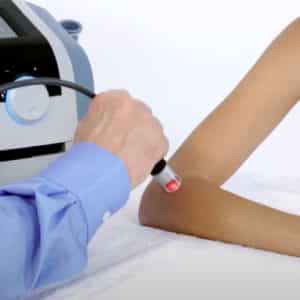
At Chiropractic Specialty Center® (CSC), we integrate modern rehabilitation technologies, including High-Intensity Laser Therapy (HILT), to support structured, non-invasive movement recovery strategies.
What Is High-Intensity Laser Therapy (HILT)?
High-Intensity Laser Therapy (HILT) is a structured, movement-based rehabilitation technology designed to support spinal mobility, joint flexibility, and muscular coordination. When applied by trained professionals, HILT promotes targeted movement efficiency, encouraging tissue recovery and mobility enhancement.
HILT is particularly effective for:
- Encouraging soft-tissue recovery and movement coordination.
- Reducing swelling and supporting joint function.
- Enhancing circulation, which contributes to movement recovery.
By combining HILT with structured physiotherapy and chiropractic strategies, CSC ensures a movement-based rehabilitation model that supports musculoskeletal function without reliance on surgical interventions.
How Does High-Intensity Laser Therapy (HILT) Work?
HILT is an advanced movement-based rehabilitation method, building upon previous low-intensity laser techniques. Compared to Low-Level Laser Therapy (LLLT), HILT utilizes higher power and structured wavelengths, allowing for deeper penetration into musculoskeletal tissues.
HILT supports movement recovery by:
- Encouraging soft-tissue flexibility and postural stability.
- Supporting circulation and reducing movement strain.
- Enhancing tissue recovery at the cellular level.
Effectiveness of High-Intensity Laser Therapy (HILT)
Clinical studies indicate that HILT supports movement recovery efficiency, enhancing postural stability and muscular coordination. By stimulating movement-based recovery at the cellular level, HILT:
- Encourages targeted mobility and flexibility support.
- Enhances circulation to encourage movement recovery.
Supports non-invasive musculoskeletal rehabilitation strategies.
Session Pricing for High-Intensity Laser Therapy in Malaysia
At CSC, HILT rehabilitation sessions are offered at RM 110 per session. When integrated with structured chiropractic and physiotherapy techniques, HILT provides a movement-based approach to spinal and joint function support.
For additional details on CSC’s physiotherapy and chiropractic movement rehabilitation models, contact our center for a structured consultation.
Safety Considerations for High-Intensity Laser Therapy (HILT)
HILT is a structured, movement-based rehabilitation method that remains safe when applied by trained clinicians specializing in movement efficiency strategies.
Key safety considerations include:
- Tissue warming adjustments to maintain movement comfort.
- Use of protective eyewear to ensure safe rehabilitation applications.
At CSC, our clinical team follows structured HILT application guidelines, ensuring that each session provides a non-invasive, movement-based rehabilitation experience.
How Many Sessions of High-Intensity Laser Therapy Are Recommended?
The required number of HILT sessions depends on individual movement recovery needs.
- Mild movement variations may require three to five sessions.
- More complex movement concerns may require ten or more sessions.
At CSC, our physiotherapists and chiropractors provide a structured movement-based recovery plan, ensuring that HILT rehabilitation strategies align with individual musculoskeletal needs.
Comfort Considerations in High-Intensity Laser Therapy
HILT is a non-invasive movement rehabilitation technique that does not cause discomfort. Instead, it encourages movement efficiency and muscular coordination in a comfortable, structured manner.
Most individuals find HILT to be:
- A structured, seamless rehabilitation experience.
- A supportive addition to movement recovery strategies.
Optimal Frequency for High-Intensity Laser Therapy Sessions
For structured movement support, HILT sessions are typically recommended two to five times per week. Our team encourages alternating session days, allowing for targeted musculoskeletal adaptation between care methods.
Are There Side Effects to High-Intensity Laser Therapy?
HILT is generally a structured, movement-based rehabilitation strategy with no significant side effects.
Some individuals may experience mild redness or localized warmth immediately following a session, which typically resolves within a few hours.
HILT as a Complementary Rehabilitation Strategy for Physiotherapy & Chiropractic Care
Chiropractic and physiotherapy rehabilitation models focus on structured movement recovery strategies, integrating both manual techniques and modern rehabilitation technologies.
Structured rehabilitation technologies include:
- HILT for targeted movement coordination support.
- Spinal decompression strategies for postural recovery.
- Shockwave therapy to encourage soft-tissue function.
Chiropractic techniques support joint mobility and postural alignment, while HILT enhances musculoskeletal function by reducing movement strain and encouraging circulation. For optimal movement rehabilitation outcomes, CSC integrates HILT as a structured component of movement-based recovery plans.
High-Intensity Laser Therapy (HILT) for Structured Spinal, Joint, and Sports Recovery
Recovery from spinal mobility concerns, joint function variations, and sports-related movement adaptations requires a structured, movement-based approach utilizing specialized rehabilitation techniques. High-Intensity Laser Therapy (HILT) provides targeted, non-invasive support, encouraging soft-tissue coordination and movement recovery.
HILT is a structured, movement rehabilitation technology designed to support:
- Spinal mobility and postural coordination.
- Joint flexibility and soft-tissue function.
- Targeted movement-based recovery strategies for muscular rehabilitation.
This advanced rehabilitation method is particularly beneficial for:
- Targeted movement coordination in the wrist and thumb (e.g., De Quervain’s tenosynovitis).
- Neck mobility support and spinal postural adjustments.
- Back flexibility and movement efficiency strategies.
- Spinal disc function recovery.
- Joint coordination support.
- Sports-related rehabilitation models.
When combined with structured physiotherapy and chiropractic techniques, HILT enhances musculoskeletal recovery, supporting movement-based rehabilitation strategies tailored to individual joint and spinal mobility needs.
Holistic Non-Surgical Solutions for Musculoskeletal Support at CSC
At Chiropractic Specialty Center® (CSC), we integrate structured, movement-based rehabilitation techniques using modern physiotherapy and chiropractic strategies. Our clinical teams specialize in structured movement recovery models, ensuring that individuals receive targeted, non-invasive rehabilitation strategies without reliance on surgical interventions or injections.
For spinal, joint, and movement-based rehabilitation, CSC provides:
- Comprehensive musculoskeletal movement coordination strategies.
- Advanced rehabilitation technologies supporting mobility efficiency.
- Structured recovery plans tailored to individual movement needs.
For individuals seeking targeted movement recovery support, contact CSC today to explore structured rehabilitation strategies integrating HILT and movement-based physiotherapy techniques.
Author:
“High Intensity Laser Therapy for Joint Health” is written by Yama Zafer who is a graduate from Cleveland Chiropractic University Kansas City with nearly 30 years of experience in non‑invasive spine and joint care; read more about Y. Zafer.
Peer-Reviewed Medical References:
Baxter GD, Allen JM, Thorps KR, Hodge LM, Fogarty TF. Efficacy of Class IV laser therapy on musculoskeletal disorders: a systematic review. Photomed Laser Surg. 2014;32(2):67–71.
Bjordal JM, Lopes-Martins RAB, Iversen VV. A systematic review with procedural assessments and meta-analysis of low level laser therapy in lateral elbow tendinopathy. BMC Musculoskelet Disord. 2008;9:75.
Chung H, Dai T, Sharma SK, Huang Y-Y, Carroll JD, Hamblin MR. The nuts and bolts of low-level laser (light) therapy. Ann Biomed Eng. 2012;40(2):516–33.
Hamblin MR. Mechanisms and applications of the anti-inflammatory effects of photobiomodulation. APL Photonics. 2017;2(4):040901.
Cotler HB, Chow RT, Hamblin MR, Carroll JD. The use of low level laser therapy (LLLT) for musculoskeletal pain. MOJ Orthop Rheumatol. 2015;2(5):00068.
de Marchi T, Valente M, Richter J, Macedo CR. Effects of high intensity laser therapy (HILT) in muscle fatigue in healthy adults: a randomized controlled trial. Lasers Med Sci. 2020;35(5):979–85.
Khadra M, Nikolaidis D, Paschalis V, Gourgoulianis KI, Nalbantiumu M. Comparative evaluation of effects of myofascial release and HILT on chronic low back pain: a randomized controlled trial. J Back Musculoskelet Rehabil. 2019;32(4):695–703.
Last Updated:
Last updated March 118, 2026: High Intensity Laser Therapy for Joint Health.
Share with others:
