
Bursitis Care and Gentle Options in KL Malaysia
Bursitis is irritation of a bursa, a small fluid-filled sac that reduces friction where a tendon or muscle passes over bone. The body contains well over a hundred of them, and the ones most often affected sit at the outer hip, the point of the elbow, the front of the knee, and beneath the bony roof of the shoulder.
Direct pressure is the characteristic provoking factor: lying on the affected hip, leaning on the elbow, kneeling. Tenderness is localized to the spot rather than spread across the area. Removing that one pressure for a few weeks, with a pillow between the knees for a sore hip at night, settles a large proportion of cases.
In Kuala Lumpur and elsewhere in Malaysia, gentle options for bursitis are conservative ones. They begin with finding which bursa is involved and what is pressing on or overloading it, then use non-rotatory chiropractic, physiotherapy and graded exercise directed at that load, with injections or surgery kept as a distant last resort. At Chiropractic Specialty Center, the plan is built around the positions and habits that keep the area irritated, because those, more than the bursa itself, usually decide how long symptoms last.
This guide to bursitis, how bursae work and why they become irritated, is published by Chiropractic Specialty Center, Bukit Damansara (KL) main center: WhatsApp+60 17 269 1873 Call+603 2093 1000
Key Takeaways
- Bursitis is irritation of a bursa, a small fluid-filled cushion where a tendon crosses bone, most often at the outer hip, the point of the elbow, the front of the knee, the shoulder or the back of the heel.
- The usual pattern is pain on one tender spot, provoked by direct pressure such as lying on the hip, leaning on the elbow or kneeling.
- Conservative care comes first: changing the positions that compress the area and gradually loading the nearby tendon, with injections or surgery a distant last resort.
- A hot, red, swollen bursa with fever points to infection, which is treated medically rather than with exercise or manual therapy.
Understanding Bursitis
Bursitis commonly develops due to direct impact, repetitive motion, or underlying conditions such as:
- Trauma or repeated strain from daily activities or sports.
- Underlying joint concerns such as rheumatoid arthritis, pseudogout, or gout.
Beyond the outer hip, which is the most common site, bursitis frequently affects the:
- Shoulder
- Elbow
- Knee
- Foot
When bursae become inflamed, they may swell and limit joint movement. Which bursa is involved matters, because each one is irritated by different positions and activities.
How Bursae Function and Why They Become Irritated
Bursae are thin, lubricated cushions that prevent friction between bones and soft tissues such as tendons, ligaments, and muscles. Key characteristics of bursae include:
- The human body contains approximately 160 bursae.
- Some bursae are present from birth, while others develop later due to frequent friction.
- Bursae vary in size based on location and individual differences.
- Irritation of bursae is often linked to repetitive strain or pressure from poor posture or restrictive footwear.
For bursitis management, non-invasive methods are preferred over injections or surgery, which may lead to further complications.
Bursitis Assessment in Kuala Lumpur: Two Centers
Bursitis of the hip, shoulder, elbow, knee or heel is assessed at both Kuala Lumpur centers of Chiropractic Specialty Center. To arrange an assessment, see the Bukit Damansara contact page and the Bandar Sri Damansara contact page, or call either center directly:
- Bukit Damansara (KL, main center): Call +603 2093 1000 or WhatsApp +60 17 269 1873 to see the Bukit Damansara / KL center.
- Bandar Sri Damansara (KL): Call +603 6262 5777 or WhatsApp +60 12 455 6939 to see the Bandar Sri Damansara center.
Shoulder Bursitis and Its Impact on Mobility
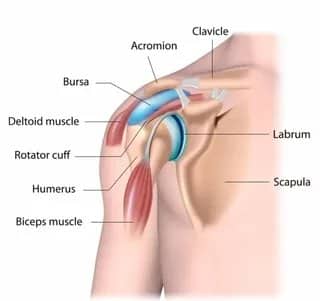
The subdeltoid (subacromial) bursa in the shoulder sits between the supraspinatus tendon and deltoid muscle. When irritated, it can limit movement, and it is often part of what is described as shoulder impingement syndrome.
Individuals with shoulder bursitis may experience:
- Pain at the front or side of the shoulder.
- Limited range of motion, making overhead movements difficult.
Because shoulder bursitis is often linked to rotator cuff irritation, assessment usually looks at the rotator cuff tendons and at how the shoulder blade moves, not only at the bursa.
A Non-Surgical Approach to Bursitis Care
By integrating chiropractic techniques with physiotherapy, conservative care for bursitis focuses on:
- Reducing strain on affected joints.
- Improving mobility without injections or surgery.
- Restoring function using specialized rehabilitation techniques.
The aim is for the tendon and surrounding muscles to tolerate everyday load again, so that the bursa is no longer being compressed.
Managing Bursitis in the Elbow, Hip, and Buttocks
Bursitis is a condition that affects bursa sacs, which provide cushioning between bones and soft tissues. When inflamed, they can cause pain, swelling, and restricted movement in various joints. Each of these sites is provoked by a different set of positions and loads, which is why they are described separately below.
Understanding Elbow Bursitis (Olecranon Bursitis)
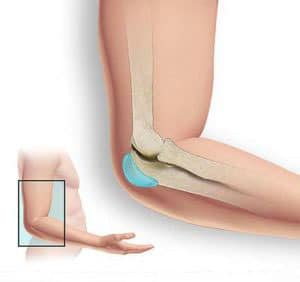
Elbow bursitis, also known as olecranon bursitis, affects the tip of the elbow and is one of the most common causes of swelling at the back of the elbow. It can result from direct trauma, repetitive strain, or prolonged pressure on the elbow joint. Pain on the outer or inner side of the elbow is more often tennis elbow or golfer’s elbow.
Characteristics of Inflamed Elbow Bursa:
- Tenderness when leaning on the point of the elbow.
- Bending and straightening usually stay fairly free, because the bursa sits outside the joint.
- Swelling may be visible, resembling a small golf ball or egg under the skin.
For an elbow bursa that is not infected, taking pressure off the point of the elbow, with a pad or by not leaning on it at a desk, is the first step.
Can Bursitis Affect the Buttocks?
Yes, prolonged sitting, cycling, or tension in the gluteal muscles can irritate the ischiogluteal bursa, leading to pain in the lower buttock. This condition, known as ischiogluteal bursitis (Weaver’s Bottom), can cause:
- Tenderness directly over the sitting bone (the ischial tuberosity).
- Pain that builds with sitting and eases on standing.
- Pain that can spread down the back of the thigh.
- Difficulty sitting due to direct pressure on the bursa.
Sitting time, seat and cushion choice, and the load on the nearby hamstring tendons are usually what keep this bursa irritated.
Inflamed Hip Bursa (Iliopsoas Bursitis)
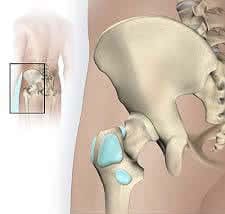
The iliopsoas bursa is the largest bursa in the body, lying in front of the hip joint beneath the iliopsoas muscle. When inflamed, it can cause pain in the groin and at the front of the hip, sometimes felt down the thigh toward the knee. Iliopsoas bursitis is often linked to:
- Running-related injuries.
- Repetitive hip strain.
- Underlying joint conditions.
Symptoms of Iliopsoas Bursitis:
- Pain in the groin and at the front of the hip.
- Restricted movement while walking, leading to shortened steps.
- A sensation of tingling or numbness in the hip or leg if nearby nerves are compressed.
Repeated hip flexion, such as running uphill, kicking or rowing, is the usual source of load on this bursa.
Supporting Bursitis Recovery Naturally
Conservative care for bursitis generally works on three things:
- Reducing stress on affected joints.
- Improving flexibility and joint mobility.
- Supporting recovery through non-invasive methods.
Knowing how bursae work explains why the load on the area, rather than the bursa alone, is the usual focus of care.
Understanding Bursitis in the Thigh, Knee, and Ankle
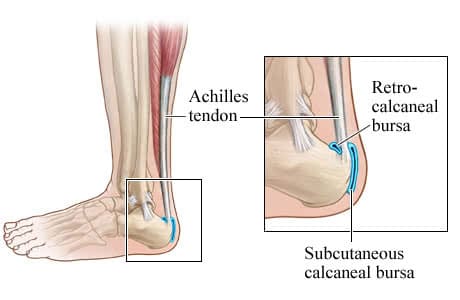
Bursitis occurs when the bursae, which cushion joints and reduce friction, become inflamed. This condition can lead to thigh, knee, heel or ankle pain, often affecting walking and daily activities. The bursae most often involved around the thigh, knee and heel are described below with their typical features.
Trochanteric Bursitis and Outer Hip Pain
The trochanteric bursa is located on the outer thigh near the hip joint. When inflamed, it can cause:
- A deep, aching sensation along the hip and outer thigh.
- Pain that can extend toward the knee or buttock.
- Increased sensitivity with stretching, pressure, or movement.
- Worsened symptoms at night, making it difficult to sleep on the affected side.
Trochanteric bursitis, now often grouped under greater trochanteric pain syndrome, is most common in women between about 40 and 60, and in people whose daily positions compress the outer hip. In many of these cases, the gluteal tendons beside the bursa are the tissue that has actually changed.
Knee Bursitis and Restricted Mobility
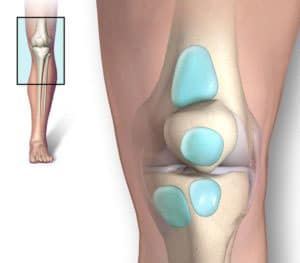
The knee contains multiple bursae, which help cushion joint movements. When inflamed, knee bursitis can lead to:
- Tenderness, swelling, or redness around the knee.
- A feeling of warmth in the affected area.
- Restricted movement, especially when kneeling or walking.
While knee bursitis often starts mildly, it can worsen over time if left unaddressed. A comprehensive evaluation of the knee joint, ligaments, and bursae helps determine which structure is involved and which conservative approach suits it.
The Knee Contains Several Bursae, Including:
- Front of the Knee (5 Bursae): Suprapatellar, prepatellar, deep infrapatellar, subcutaneous infrapatellar, and pretibial bursae.
- Outer Side of the Knee (4 Bursae): Lateral gastrocnemius, fibular, fibulo-popliteal, and sub-popliteal bursae.
- Inner Side of the Knee (3 Bursae): Medial gastrocnemius, anserine, and semimembranosus bursae.
Identifying the specific bursa matters: kneeling irritates the bursae at the front of the knee, while the pes anserine bursa on the inner side is more often aggravated by stair climbing and running.
Retrocalcaneal Bursitis and Heel Pain
Retrocalcaneal bursitis affects the bursa between the Achilles tendon and the heel bone, at the back of the heel. It is often caused by:
- Ill-fitting footwear, including high heels or stiff shoes.
- Excessive walking or jumping, leading to strain.
- Repetitive movements, common in ice skaters, athletes, and beginners in new exercise routines.
Symptoms often include:
- Pain at the back of the heel.
- Increased sensitivity with flexing or extending the ankle.
- Worsened symptoms with prolonged activity.
Shoes with a stiff or high heel counter, and sudden jumps in walking, running or jumping volume, are the loads most often worth changing here, and they are addressed alongside chiropractic and physiotherapy care of the calf and Achilles tendon.
What Conservative Care Focuses On
Across all of these sites, conservative care focuses on:
- Reducing strain on affected joints.
- Improving flexibility and mobility.
- Restoring function through targeted, non-invasive care.
Medication or an injection may settle symptoms for a time, but neither changes the pressure or load that irritated the bursa in the first place.
Home Care for Bursitis: Managing Inflammation Naturally
Bursitis is an inflammatory condition that develops due to repetitive strain (micro-trauma) or direct injury (macro-trauma). To manage bursitis at home, follow the P-R-I-C-E method:
- Protection: Use padding, especially for bursae close to the skin, such as those in the knees and ankles.
- Rest: Avoid activities that aggravate symptoms. Consider alternative exercises like swimming, which reduces joint strain.
- Ice: Apply a cold pack or frozen vegetable bag for 10 minutes, twice a day to reduce inflammation.
- Compression: Use elastic bandages on affected areas (knees, elbows) to help minimize swelling.
- Elevation: Keep the affected area raised to limit fluid buildup and swelling.
These steps are commonly used in the first days of a flare, while the position or activity that set it off is identified.
Can Bursitis Become Infected?
Yes, bursitis can become infected, which is why it is important to seek professional assessment before starting any care. Signs of infection include:
- Fever: A possible indicator of infection that requires immediate medical attention.
- Severe tenderness, redness, or constant warmth around the affected joint.
- Skin infections (cellulitis) near the area may suggest an underlying bursa infection.
Non-infected bursitis, which is the large majority, is managed conservatively as described above.
The Importance of Professional Bursitis Care
Bursitis care begins with identifying what is irritating the bursa. A structured, non-surgical approach includes:
- Targeted assessment to pinpoint the underlying source of bursitis.
- Personalized care plans that focus on joint mobility and reducing strain.
- Chiropractic and physiotherapy working together on the same plan.
Published research on bursitis and the closely related tendon conditions supports trying conservative care before injections or surgery, as the studies listed below describe.
Non-Invasive Bursitis Support in Malaysia
Non-surgical bursitis care in Malaysia typically integrates:
- Chiropractic techniques to enhance joint mobility.
- Physiotherapy exercises aimed at flexibility and strain.
- Progressive rehabilitation to rebuild tolerance to load.
Injections and surgery remain options of last resort, considered only when conservative care has had a fair trial without results.
Septic Bursitis: When a Bursa Becomes Infected
Most bursitis is a load problem. A small number are infections, and the elbow and kneecap bursae are the ones most often involved because they sit just under the skin and are easily grazed. This deserves its own section because the treatment is completely different and the delay is what causes harm.
Seek medical assessment the same day if the area is hot and red, if the redness is spreading, if you have fever or feel unwell, if there was a cut, graze or puncture over the joint beforehand, or if the pain is severe and worsening by the hour. Septic bursitis is treated with antibiotics and sometimes drainage. It is not treated with exercise, ice or manual therapy, and it should not be managed at a chiropractic center.
Why the Bursa Is Usually the Symptom Rather Than the Problem
A bursa is a small fluid-filled cushion that reduces friction where a tendon crosses a bone. It becomes irritated when something above it is repeatedly rubbing, compressing or overloading it. Treating only the bursa therefore tends to give relief that does not last, because whatever was rubbing is still rubbing.
Imaging has pushed this understanding further. In many cases labeled bursitis, the tendon alongside the bursa is the tissue that is actually changed, and the plan that works is a tendon plan: reduce the compressive positions, then load the tendon gradually until it tolerates the demand again. In a randomized trial of people with outer hip pain from gluteal tendinopathy, education plus a graded exercise program produced greater overall improvement than a corticosteroid injection at 8 weeks and at one year (Mellor et al., 2018).
The Compressive Positions Worth Changing, by Site
- Hip (outer side). Sitting cross-legged, standing with the weight hanging on one hip, sleeping on the painful side without a pillow between the knees, and low chairs. These compress the tendon against the bone.
- Shoulder. Repeated overhead reaching, sleeping on the affected shoulder, and carrying a bag on that side.
- Elbow. Leaning on the point of the elbow at a desk or in a car. A simple elbow pad removes most of that pressure.
- Knee (front). Kneeling at work or for prayer. Where kneeling cannot be avoided, padding and changing position frequently is the practical answer.
- Heel. Stiff or badly fitting shoe backs, and a sudden increase in hill or speed work.
Two to three weeks of changing those positions, alongside a graded loading program, is the part of the plan that does the work.
Readers looking into bursitis often go on to read about hip, knee, ankle and foot problems, outer hip pain (greater trochanteric pain syndrome), Achilles heel pain, and plantar fasciitis. And for the bigger picture, our back pain guide brings our lower back, pelvis and leg topics together in one place.
The chiropractic price list in Kuala Lumpur and physiotherapy fees in Kuala Lumpur pages list every fee before care begins.
Peer-Reviewed Medical References
- Aaron DL, Patel A, Kayiaros S, Calfee R. Four common types of bursitis: diagnosis and management. J Am Acad Orthop Surg. 2011;19(6):359-367.
- Shbeeb MI, Matteson EL. Trochanteric bursitis (greater trochanter pain syndrome). Mayo Clin Proc. 1996;71(6):565-569.
- Lustenberger DP, Ng VY, Best TM, Ellis TJ. Efficacy of treatment of trochanteric bursitis: a systematic review. Clin J Sport Med. 2011;21(5):447-453.
- Mellor R, Bennell K, Grimaldi A, et al. Education plus exercise versus corticosteroid injection use versus a wait and see approach on global outcome and pain from gluteal tendinopathy: prospective, single blinded, randomised clinical trial. BMJ. 2018;361:k1662.
These sources describe bursitis and the closely related tendon conditions in general; none of them evaluates care at Chiropractic Specialty Center.
The Author of Bursitis: Causes, Symptoms and Conservative Care
Bursitis: Causes, Symptoms and Conservative Care was written by Yama Zafer, D.C., who has 30+ years in chiropractic and physiotherapy and founded Chiropractic Specialty Center in Kuala Lumpur in 2006.
Last Updated: Bursitis Care and Gentle Options in KL Malaysia
Bursitis Care and Gentle Options in KL Malaysia was last reviewed and updated on September 25, 2026.