

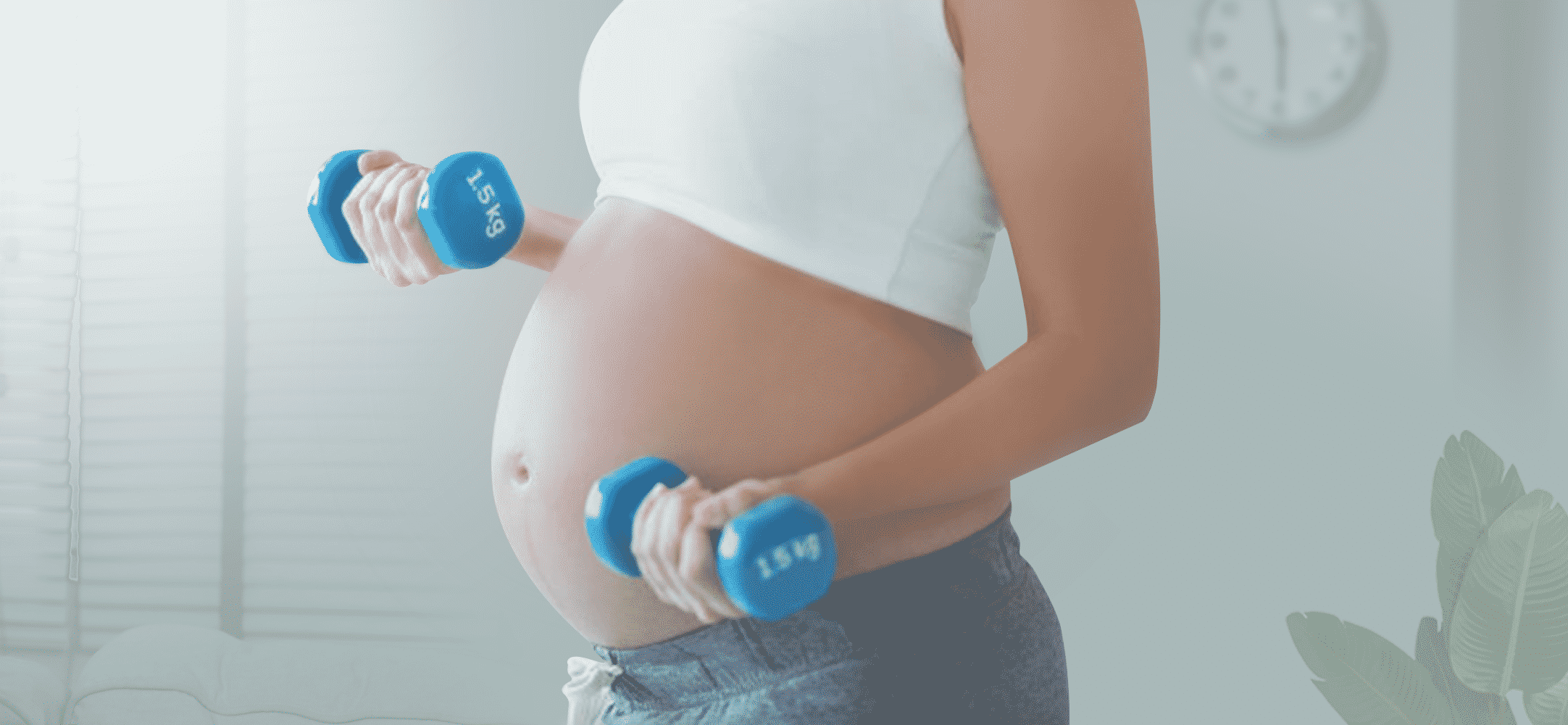
Exercise for Pregnant Women: A Gentle, Practical Guide
Exercise for pregnant women is supported rather than discouraged by current guidance, which recommends staying active through an uncomplicated pregnancy. Walking, stationary cycling, swimming and light strength work suit most. The usual target is around one hundred and fifty minutes of moderate activity a week, spread across several days.
What changes is comfort rather than permission. Balance shifts as the center of mass moves, joints loosen, and lying flat on the back becomes uncomfortable after the first trimester, so those positions are adapted. CSC also holds health talks in Kuala Lumpur from time to time; they are paused at the moment, so for the next date, send a WhatsApp message to the Bukit Damansara main center at +60 17 269 1873. Bleeding, fluid loss, regular tightening, dizziness, chest pain, or calf pain and swelling on one side means stopping and contacting an obstetrician.
Key Takeaways for Expecting Mothers
- Staying active is recommended: For an uncomplicated pregnancy, guidelines advise about 150 minutes of moderate activity a week.
- Check with your obstetrician first: Some pregnancy conditions mean exercise needs to be limited or avoided.
- Know the stop signs: Bleeding, fluid loss, regular contractions, dizziness, chest pain or one-sided calf swelling mean stopping and seeking medical advice.
- Help for back and pelvic pain: Exercise can ease pregnancy-related back pain for some women, and physiotherapy or chiropractic care can be added when needed.
What Current Guidance Recommends
Guidelines from obstetric and sports medicine organizations encourage women with an uncomplicated pregnancy to stay active throughout, aiming for about 150 minutes of moderate-intensity activity each week across at least three days. Women who were already active can usually continue familiar activities with adjustments, and women who were inactive can start gradually. Regular exercise in pregnancy is associated with lower risks of gestational diabetes and excessive weight gain, and with fewer symptoms of depression.
Getting Help With Pregnancy Back or Pelvic Pain in KL
If back, hip or pelvic pain is making it hard to stay active, a pregnancy-sensitive assessment looks at what is aggravating it and adapts exercise and care to your stage of pregnancy. Obstetric concerns are always directed to your obstetrician first. Directions and hours are on the Bukit Damansara contact page and the Bandar Sri Damansara contact page, or you can call or message either center:
- Bukit Damansara (KL, main center): Call +603 2093 1000 or WhatsApp +60 17 269 1873 to see the Bukit Damansara / KL center.
- Bandar Sri Damansara (KL): Call +603 6262 5777 or WhatsApp +60 12 455 6939 to see the Bandar Sri Damansara center.
Activities That Suit Most Pregnancies
- Walking: Easy to start and adjust; 20 to 30 minutes on most days is a good base.
- Swimming and water exercise: Water supports body weight and many women find it eases swelling.
- Stationary cycling: Cardiovascular exercise without the fall risk of road cycling.
- Light strength work: Moderate weights or resistance bands with good technique.
- Prenatal yoga or Pilates: Classes designed for pregnancy, avoiding lying flat on the back later in pregnancy and deep twisting.
Simple Exercises to Try
Pelvic Floor (Kegel) Exercises
Tighten the muscles you would use to stop passing urine, hold for a few seconds, then fully relax. Repeat several times, a few times a day. They can be done sitting, standing or lying on your side. Relaxing the muscles fully after each squeeze matters as much as the squeeze itself. A pelvic health physiotherapist can check your technique, particularly if you have leakage or pelvic pain. More on pelvic pain is available separately.
Clamshell
Lie on your side with hips and knees bent and your feet together. Keeping your feet touching, lift the top knee a short distance, then lower it slowly. Do 5 to 10 repetitions, then switch sides. This works the muscles at the side of the hip, which help steady the pelvis.
Side-Lying Leg Lift
Lie on your side with your head supported and the lower knee bent for balance. Keeping the top leg straight, lift it slowly backward and slightly up, then return. Do 5 to 10 repetitions on each side.
Cat and Camel
On hands and knees, with hands under shoulders and knees under hips, gently round your back up as you breathe out, then let it return to a neutral or slightly arched position as you breathe in. Repeat 3 to 5 times. If your wrists are sore, for example with carpal tunnel symptoms, do this resting on your forearms or skip it.
Safety Tips
- Drink water before, during and after exercise, and avoid overheating, especially in hot, humid weather.
- After the first trimester, avoid long periods lying flat on your back, because the weight of the womb can press on a large vein and reduce blood flow back to the heart. Lying on your side or propped up is a good alternative.
- Wear supportive shoes and comfortable clothing.
- Stop if something feels wrong, and seek advice.
Activities to Avoid
- Contact sports and activities with a high risk of falling or being struck, such as horse riding or skiing
- Scuba diving
- Exercise at high altitude if you are not used to it
- Heavy lifting or straining that makes you hold your breath
- Hot yoga or exercise in very hot conditions
When to Stop and Seek Medical Advice
Stop exercising and contact your obstetrician or seek medical care if you notice vaginal bleeding, fluid leaking, regular painful contractions, dizziness or feeling faint, chest pain, shortness of breath before exercise, a headache that will not settle, muscle weakness affecting balance, or pain and swelling in one calf.
A Sample Week
- Monday: 30-minute walk and pelvic floor exercises
- Tuesday: 20 to 30 minutes of swimming or water exercise
- Wednesday: Rest or gentle stretching
- Thursday: Prenatal yoga or Pilates class
- Friday: 20 minutes of stationary cycling and the clamshell and leg lift exercises
- Saturday: A relaxed walk
- Sunday: Rest
Exercise and Pregnancy-Related Back or Pelvic Pain
A Cochrane review found that exercise probably reduces pregnancy-related low back pain and the disability it causes, although the quality of the evidence was generally low and exercise does not prevent it in every case. When pain persists, physiotherapy and pregnancy-adapted chiropractic care, such as the Webster technique, can be added. Pain from the round ligaments is also common and usually harmless.
Frequently Asked Questions About Exercise in Pregnancy
Can I exercise safely in all three trimesters?
For most women with an uncomplicated pregnancy, yes, with positions and intensity adapted as pregnancy progresses. Check with your obstetrician first.
How much exercise should I aim for?
About 150 minutes of moderate activity a week, for example 30 minutes on five days. If you are starting from little activity, build up gradually.
Do Kegel exercises help back pain?
Not directly. Pelvic floor exercises support bladder control and pelvic health. For back pain, general exercise, hip and trunk strengthening, and care from a physiotherapist or chiropractor are more relevant.
What should I avoid?
Contact sports, activities with a high fall risk, scuba diving, heavy straining, overheating, and lying flat on your back for long periods after the first trimester.
References
- American College of Obstetricians and Gynecologists. Physical activity and exercise during pregnancy and the postpartum period: ACOG Committee Opinion No. 804. Obstet Gynecol. 2020;135(4):e178-e188.
- Mottola MF, Davenport MH, Ruchat SM, et al. 2019 Canadian guideline for physical activity throughout pregnancy. Br J Sports Med. 2018;52(21):1339-1346.
- Artal R, O’Toole M. Guidelines of the American College of Obstetricians and Gynecologists for exercise during pregnancy and the postpartum period. Br J Sports Med. 2003;37(1):6-12.
- Liddle SD, Pennick V. Interventions for preventing and treating low-back and pelvic pain during pregnancy. Cochrane Database Syst Rev. 2015;(9):CD001139.
- Davenport MH, Meah VL, Ruchat SM, et al. Impact of prenatal exercise on both prenatal and postnatal anxiety and depressive symptoms: a systematic review and meta-analysis. Br J Sports Med. 2018;52(21):1376-1385.
- Nascimento SL, Surita FG, Cecatti JG. Physical exercise during pregnancy: a systematic review. Curr Opin Obstet Gynecol. 2012;24(6):387-394.
- Barakat R, Cordero Y, Coteron J, et al. Exercise during pregnancy improves maternal glucose screen at 24-28 weeks: a randomised controlled trial. Br J Sports Med. 2012;46(9):656-661.
- Stafne SN, Salvesen KÅ, Romundstad PR, et al. Regular exercise during pregnancy to prevent gestational diabetes: a randomized controlled trial. Obstet Gynecol. 2012;119(1):29-36.
- Haakstad LA, Bø K. Effect of regular exercise on prevention of excessive weight gain in pregnancy: a randomised controlled trial. Eur J Contracept Reprod Health Care. 2011;16(2):116-125.
These references describe exercise during pregnancy and pregnancy-related back and pelvic pain in general. None of them evaluates care at Chiropractic Specialty Center.
The Author of Exercise for Pregnant Women: Gentle Care in Malaysia
Exercise for Pregnant Women: Gentle Care in Malaysia was written by Yama Zafer, D.C., a graduate of Cleveland University - Kansas City with 30+ years in chiropractic and physiotherapy.
Last Updated: Exercise for Pregnant Women: A Gentle, Practical Guide
Exercise for Pregnant Women: A Gentle, Practical Guide was last reviewed and updated on September 25, 2026.
Planning a visit? You can review the current chiropractic price in Kuala Lumpur and physiotherapy fees in Kuala Lumpur before you come in.