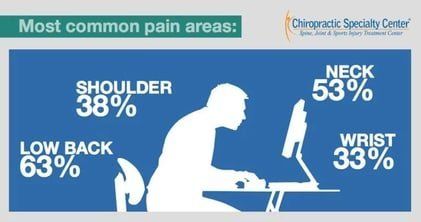
Shoulder Blade: Comprehensive Non-Invasive Care

The shoulder blade discomfort is a common problem affecting many people due to various causes such as muscle strain, poor posture, or joint issues. The shoulder blade, also known as the scapula, plays a vital role in upper back and shoulder function, supporting arm movement and stability. When problems arise, individuals may experience stiffness, tenderness, or limited range of motion around the shoulder blade area. Understanding these symptoms early is important to seek appropriate non-invasive care options.

At Chiropractic Specialty Center, our approach combines chiropractic, physiotherapy, and rehabilitation methods tailored to gently restore function without the need for surgery or invasive procedures. Our non-rotatory, integrative techniques focus on spine and joint health to help improve shoulder blade movement and upper back comfort. If you experience ongoing shoulder blade concerns, early intervention with gentle and holistic care options may provide better outcomes.

Key Points About Shoulder Blade Care in Kuala Lumpur

  • Shoulder blade discomfort may be linked to posture, desk work, muscle strain, or upper-back stiffness.
  • Symptoms near the shoulder blade may sometimes be influenced by the neck and upper back.
  • Early signs often include tightness, stiffness, tenderness, or discomfort during sitting and lifting.
  • Gentle chiropractic joint mobilization, physiotherapy, and guided exercise may help improve how the area functions.
  • Looking at the neck, upper back, ribs, and shoulder blade together often gives a clearer understanding.
  •  

Contact Us Today for Shoulder Blade Care

If you experience shoulder blade discomfort or stiffness, Chiropractic Specialty Center provides non-invasive care combining chiropractic, physiotherapy, and rehabilitation methods designed to help restore function gently and safely. Early attention may prevent worsening symptoms and support better upper back health. Contact us via our contact page to learn more about care options suited to your needs.

On This Page: Shoulder Blade Care in KL Explained

Learn How Shoulder Blades Support Healthy Movement

Your shoulder blades play a major role in posture and upper-body balance. At our Free Shoulder Health Talk in Kuala Lumpur, you’ll see how shoulder and back mechanics work together and what posture cues help improve strength and coordination in daily life.

The shoulder blade and upper back region play a role in movement efficiency and postural stability. Variations in muscle function, postural adjustments, or structural positioning may influence spinal alignment and mobility. Addressing these factors through structured, non-invasive care may help maintain long-term movement balance.

At Chiropractic Specialty Center® (CSC), we provide targeted, non-surgical care programs designed to maintain upper back stability and movement efficiency. By integrating chiropractic techniques and physiotherapy-based interventions, CSC offers personalized care solutions tailored to spinal health and postural function.

Recognizing Postural Influences on Shoulder Blade Function

Variations in shoulder blade positioning and upper back movement may develop due to postural habits, repetitive movement patterns, or muscular adaptations. Some of the most common contributing factors include:

  1. Extended Screen Time: Prolonged use of mobile devices and computers may influence upper back positioning and posture.
  2. Repetitive Movements: Frequent bending, lifting, or sustained postures may influence shoulder and upper back mobility.
  3. Postural Adjustments Over Time: Gradual variations in muscle engagement and spinal function may influence movement efficiency.
  4. Movement-Based Influences: Structural adaptations may develop in response to sustained postural variations.

A structured approach to movement mechanics and postural alignment may help maintain shoulder blade and upper back stability.

Comprehensive Approach for Shoulder Blade Discomfort and Upper Back Function

Poor posture impact spine & Shoulder blade

Discomfort in the shoulder blade region and upper back may be influenced by movement patterns, postural variations, or structural adaptations. Addressing these factors through structured, non-invasive care may help maintain long-term movement efficiency and postural balance.

At Chiropractic Specialty Center® (CSC), we provide targeted, non-surgical care programs designed to maintain upper back stability and spinal alignment. By integrating chiropractic techniques and physiotherapy-based interventions, CSC offers personalized solutions to maintain spinal movement and postural function.

Recognizing Postural Influences on Shoulder Blade Discomfort

Variations in upper back and shoulder blade function may develop due to postural habits, repetitive movement patterns, or muscular adaptations. Some of the most common contributing factors include:

  1. Extended Screen Time: Prolonged use of mobile devices and computers may influence upper back positioning.
  2. Repetitive Movements: Frequent bending, lifting, or sustained postures may influence shoulder and upper back mobility.
  3. Postural Adjustments Over Time: Gradual variations in muscle activation and spinal function may influence movement efficiency.
  4. Movement-Based Influences: Structural adaptations may develop in response to sustained postural variations.

A structured approach to movement mechanics and postural alignment may help maintain shoulder blade and upper back stability.

Recognizing Structural Variations in Shoulder Blade Function

Individuals experiencing structural variations in the shoulder blade and upper back region may notice:

  • Changes in shoulder mobility influencing postural stability.
  • Tension in the upper back and neck area.
  • Adjustments in movement mechanics during daily activities.
  • Awareness of pressure near the shoulder blade region.

Understanding how movement balance and alignment influence function may help individuals take proactive steps to maintain postural stability.

Non-Surgical Care for Shoulder Blade and Upper Back Stability
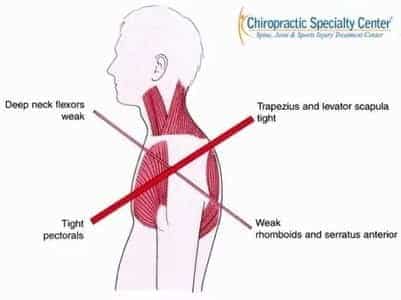
Upper Crossed Syndrome & SHoulder blade pain

At Chiropractic Specialty Center® (CSC), we offer structured, non-invasive care programs to maintain shoulder mobility and upper back movement balance. Our approach integrates:

  • Chiropractic Techniques: Gentle, targeted methods designed to maintain spinaland upper back function.
  • Physiotherapy-Based Interventions: Focused strategies that promote muscle flexibility and movement efficiency.
  • Postural Awareness Strategies: Recommendations to enhance spinal positioning and stability.

A structured approach to spinal care may help maintain shoulder and upper back function over time.

Postural Considerations for Shoulder and Upper Back Function

Adjusting daily movement strategies may help maintain upper back and shoulder alignment. Consider incorporating:

  • Postural Awareness: Maintaining movement efficiency while sitting, standing, and lifting.
  • Ergonomic Adjustments: Using helpful seating and workstation modifications to enhance postural stability.
  • Controlled Movements: Engaging in movement-based strategies to maintain flexibility and alignment.

For individualized spinal health recommendations, consulting chiropractors and physiotherapists may provide personalized strategies to maintain movement stability.

Considerations for Upper Back and Shoulder Function

Structural adaptations in the upper back and shoulder blade region may develop over time due to movement variations, postural influences, or muscular adjustments. Considerations for maintaining movement efficiency include:

  • Ensuring proper alignment to minimize unnecessary strain on the upper back.
  • Maintaining natural movement efficiency to maintain postural stability.
  • Minimizing repetitive strain to promote long-term movement balance.

For individuals seeking structured spinal care, non-surgical approaches may help maintain upper back function and movement stability.

Comprehensive Spinal and Shoulder Blade Care at Chiropractic Specialty Center®

CSC provides structured spinal and postural care programs for individuals seeking non-surgical solutions for movement balance and stability. By integrating chiropractic techniques, physiotherapy-based methods, and targeted movement strategies, CSC offers customized solutions for long-term upper back function.

For personalized postural care solutions, contact Chiropractic Specialty Center® (CSC) today.

Understanding Shoulder Blade Discomfort and Upper Back Function

Discomfort in the shoulder blade region and upper back may be influenced by movement patterns, postural variations, or structural adaptations. Addressing these factors through structured, non-invasive care may help maintain long-term movement efficiency and postural balance.

At Chiropractic Specialty Center® (CSC), we provide targeted, non-surgical care programs designed to maintain upper back stability and spinal alignment. By integrating chiropractic techniques and physiotherapy-based interventions, CSC offers personalized solutions to maintain spinal movement and postural function.

Understanding Upper-Crossed Considerations and Postural Influences

Structural variations in upper back movement and shoulder blade positioning may develop due to postural imbalances, movement adaptations, or muscular adjustments. Some of the most common contributing factors include:

  1. Extended Screen Time: Prolonged use of mobile devices and computers may influence upper back positioning.
  2. Repetitive Movements: Frequent bending, lifting, or sustained postures may influence shoulder and upper back mobility.
  3. Postural Adjustments Over Time: Gradual variations in muscle activation and spinal function may influence movement efficiency.
  4. Movement-Based Influences: Structural adaptations may develop in response to sustained postural variations.

A structured approach to movement mechanics and postural alignment may help maintain shoulder blade and upper back stability.

Recognizing Structural Variations in Shoulder Blade Function

Individuals experiencing structural variations in the shoulder blade and upper back region may notice:

  • Changes in shoulder mobility influencing postural stability.
  • Tension in the upper back and neck area.
  • Adjustments in movement mechanics during daily activities.
  • Awareness of pressure near the shoulder blade region.

Understanding how movement balance and alignment influence function may help individuals take proactive steps to maintain postural stability.

Reconsidering Aggressive Neck Manipulation Techniques Video

Forceful neck pulls like the Y-Strap, Ring Dinger®, or towel-assisted methods may look dramatic online but can strain delicate neck structures, making them unsafe—especially with disc, joint, or vascular issues. At Chiropractic Specialty Center® in Kuala Lumpur, we focus on gentle, controlled methods tailored to each spine. Watch the video below for safer options.

Why Shoulder Blade Care Often Includes the Neck, Upper Back, and Exercise

Shoulder blade discomfort does not always start from one exact spot. The shoulder blade works closely with the neck, upper back, ribs, and shoulder during daily activity. Because of that, it often helps to look at how these areas work together instead of focusing only on the shoulder blade.

Research on shoulder-related manual care suggests that a combined approach may be more useful than relying on one method alone. This may include chiropractic joint mobilization, soft-tissue work, and guided exercise when appropriate.

This matters because upper-back stiffness, muscle imbalance, rib movement, and posture can all influence how the shoulder blade moves during sitting, lifting, reaching, and desk work.

In simple terms, shoulder blade care often works best when the neck, upper back, and exercise-based care are looked at together.

Yama Zafer, D.C. - Shoulder Blade Care: Causes, Signs & Non-Invasive Options

“Shoulder Blade: Comprehensive Non-Invasive Care” is written by Yama Zafer, D.C., with educational background in physiotherapy and chiropractic from Cleveland Chiropractic University in Kansas City, has nearly three decades of experience in physiotherapy and chiropractic; read more about Y. Zafer on his official bio page.

Peer-Reviewed Medical Reference Citations

  • Neumann DA. Kinesiology of the Musculoskeletal System: Foundations for Rehabilitation. 3rd ed. Elsevier; 2017.
  • Cools AM, et al. Rehabilitation of scapular muscle balance: which exercises to prescribe? Am J Sports Med. 2007;35(10):1744-1751.
  • Ludewig PM, Reynolds JF. The association of scapular kinematics and glenohumeral joint pathologies. J Orthop Sports Phys Ther. 2009;39(2):90-104.
  • McClure PW, Michener LA. The role of the scapula in shoulder pain and pathology. J Orthop Sports Phys Ther. 2015;45(2):e1-e8.
  • Kim J, et al. Effects of physiotherapy and chiropractic intervention on shoulder disorders: a systematic review. J Back Musculoskelet Rehabil. 2014;27(4):417-426.
  • Ludewig PM, Braman JP. Shoulder impingement: biomechanical considerations in rehabilitation. Man Ther. 2011;16(1):33-39.
  • Struyf F, et al. The effectiveness of rehabilitation interventions for scapular dyskinesis: a systematic review. Br J Sports Med. 2014;48(5):366-373.

Last Updated

Last updated on April 8, 2026: Shoulder Blade Care in KL: Causes, Signs & Gentle Non-Invasive Care

Shoulder Blade Care in KL: Quick Recap

Shoulder blade discomfort is often linked to posture, upper-back stiffness, muscle imbalance, or how the neck and shoulder work together.

Symptoms may be felt around the scapula, between the shoulder blades, or extend into the neck and upper back.

Because these areas work closely together, care is often more effective when the neck, upper back, ribs, and shoulder blade are assessed as one connected region.

A gentle, non-invasive approach may include chiropractic joint mobilization, physiotherapy-based muscle work, posture correction, and guided exercise based on what is found during assessment.

Common Questions About Shoulder Blade Care in KL

Shoulder blade discomfort is often linked to posture, upper-back muscle imbalance, neck stiffness, and prolonged desk work. Below are clear answers to the most common questions people ask about symptoms, causes, and gentle non-invasive care options in KL.

Why does the area between my shoulder blades feel tight?

Tightness between the shoulder blades is commonly linked to prolonged sitting, screen use, upper-back muscle strain, or how the neck and shoulder muscles are working together. The trapezius, rhomboids, and surrounding upper-back muscles often become overloaded during long desk hours.

Can neck stiffness cause shoulder blade discomfort?

Yes. The neck and shoulder blade region are closely connected through shared muscles and nerve pathways. Tightness or joint stiffness in the neck may sometimes be felt around the shoulder blade or upper-back area.

Can poor posture cause shoulder blade problems?

Yes. Forward head posture, rounded shoulders, and prolonged sitting may change how load is placed on the upper back and scapular muscles. Over time, this may lead to tightness, stiffness, or discomfort around the shoulder blade.

Can desk work and laptop use make it worse?

Yes. Prolonged computer work, looking down at devices, and poor workstation setup may increase stress on the upper back, neck, and shoulder blade muscles.

What usually helps shoulder blade discomfort?

A structured approach may include posture correction, chiropractic joint mobilization, physiotherapy-based muscle work, guided exercise, and ergonomic adjustments based on what is found during assessment.

When should shoulder blade symptoms be assessed?

Assessment may be helpful when symptoms continue for more than a few days, worsen with daily activity, affect arm use, or extend into the neck, shoulder, or upper arm.

Can shoulder blade discomfort come from the upper back joints?

Yes. The thoracic spine and ribs work closely with the shoulder blade. Joint stiffness in the upper back may influence how the scapula moves during lifting, reaching, or desk work.

Can sleeping position affect the shoulder blade?

Yes. Side sleeping with poor shoulder support or prolonged one-sided positioning may increase strain on the upper back and shoulder blade muscles.

Share with others: