

TMJ Discomfort: Jaw Concerns You Should Know
A TMJ discomfort arises when the temporomandibular joint (TMJ), which connects the jawbone to the skull, experiences dysfunction. This condition can lead to challenges in jaw movement, affecting daily activities such as speaking and chewing. Common contributing factors include joint inflammation, structural misalignments, and muscular tension. Additionally, poor posture and repetitive habits like teeth grinding can exacerbate the issue.
Temporomandibular joint (TMJ) mobility concerns may influence jaw function, postural stability, and movement efficiency. TMJ-related adaptations often involve structural and muscular influences, highlighting the need for a comprehensive, non-invasive approach to movement rehabilitation. At Chiropractic Specialty Center® (CSC), a structured model integrating chiropractic and physiotherapy methods ensures targeted jaw mobility help without reliance on invasive interventions.
Jaw function is closely linked to cervical spine movement, as postural adaptations may contribute to variations in jaw alignment. Structural changes, including articular disc displacement and muscular coordination patterns, may influence jaw movement efficiency. Extra-articular factors, such as teeth grinding, prolonged chewing, or postural strain, further impact jaw mobility. Addressing both intra-articular (joint) and extra-articular (muscular) influences ensures a well-rounded recovery approach.
CSC’s Non-Invasive Jaw & TMJ Care
Structured, non-invasive strategies focus on targeted physiotherapy techniques, manual soft-tissue mobilization, and maintaining postural alignment. High-Intensity Laser Therapy (HILT), shockwave therapy, and rehabilitative exercises assist in promoting joint flexibility and muscular coordination. Additionally, lifestyle modifications, including reducing excessive chewing and maintaining a neutral neck posture, contribute to long-term movement efficiency.
CSC’s integrative approach emphasizes spinal and jaw mobility assessments, ensuring that all movement influences are considered. By combining targeted rehabilitation techniques with structured movement strategies, individuals can work toward improved jaw function without reliance on surgical interventions. Through individualized, movement-based recovery plans, non-invasive solutions provide useful help for long-term jaw and musculoskeletal health.
Understanding the multifaceted nature of TMJ discomfort is crucial. The interplay between the jaw and cervical spine means that issues in one area can influence the other. Non-invasive approaches, such as chiropractic care, physiotherapy, and targeted rehabilitation exercises, have shown promise in addressing these concerns. By focusing on restoring proper alignment and function, individuals can work towards alleviating discomfort and improving jaw mobility.
It’s essential to consult with healthcare professionals experienced in musculoskeletal disorders to determine the most appropriate care plan. Early intervention can prevent the progression of symptoms and enhance overall quality of life.
Key Insights on TMJ Discomfort and Care
TMJ discomfort can significantly impact daily life, but understanding its causes and care options can lead to efficient management. Here are three essential points:
- Identify Contributing Factors: Recognize habits like teeth grinding, poor posture, and stress, which can strain the TMJ and surrounding muscles.
- Explore Non-Invasive Care: Chiropractic adjustments, physiotherapy, and specific exercises can address misalignments and muscle tension without surgical intervention.
- Maintain Postural Awareness: Proper neck and jaw alignment can alleviate undue stress on the TMJ. Incorporating ergonomic practices and regular movement breaks can be beneficial.
By focusing on these areas, individuals can take proactive steps toward managing TMJ discomfort and enhancing jaw function.
Table of Contents: TMJ Discomfort
Experiencing TMJ Discomfort? Contact Us Today
If you’re dealing with TMJ discomfort, seeking professional guidance is crucial. Our team specializes in non-invasive approaches to address jaw function issues. Through a combination of chiropractic care, physiotherapy, and personalized rehabilitation plans, we aim to restore optimal jaw movement and alleviate discomfort.
Don’t let TMJ discomfort hinder your daily activities. Reach out to us for a comprehensive evaluation and tailored care plan. Visit our contact page to schedule an appointment and take the first step towards improved jaw health. Contact Us
Understanding TMJ-Related Discomfort and Non-Invasive Solutions
TMJ-related discomfort, commonly referred to as jaw dysfunction or ear-associated sensitivity, affects individuals experiencing jaw joint movement adaptations. This condition may contribute to jaw mobility concerns due to the connection between the temporomandibular joint (TMJ) and the surrounding musculoskeletal structures.
TMJ-related movement concerns may present with various sensations, including:
- Jaw movement sensitivity.
- Neck mobility variations.
- Generalized postural adjustments affecting jaw alignment.
Since the middle ear and TMJ are interconnected by ligaments, jaw-related adaptations may occasionally influence ear sensitivity and movement comfort.
At Chiropractic Specialty Center® (CSC), our structured, movement-based approach integrates chiropractic and physiotherapy rehabilitation methods to maintain TMJ function and postural efficiency.
Common Factors Contributing to TMJ-Related Discomfort
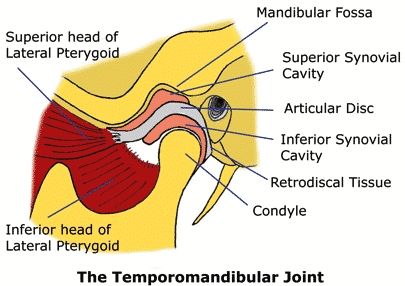
TMJ function changes may arise due to various structural and postural adaptations. Identifying the underlying influences is key to a well-structured movement recovery strategy.
Primary Contributing Factors:
- Joint Inflammation – TMJ movement sensitivity may result from joint swelling affecting mobility.
- Structural Adjustments – Variations within jaw joint alignment may influence movement patterns.
- Movement Efficiency Changes – Wear and tear in the jaw joint structure may impact jaw mobility.
- Postural Influences – Cervical spine alignment adjustments may contribute to jaw movement adaptations.
While intra-articular factors (joint-related concerns) may contribute to TMJ-related movement patterns, extra-articular influences (muscular and postural factors) may also affect jaw mobility and flexibility.
The Influence of Cervical Spine Movement on TMJ Function
The neck and jaw joint function are closely interconnected, with cervical movement adaptations potentially contributing to jaw mobility variations.
- Upper cervical spine movement patterns may influence jaw positioning and alignment.
- Repetitive jaw muscle activity, such as prolonged chewing or teeth grinding, may contribute to jaw joint strain.
Addressing both intra-articular (joint) and extra-articular (muscular) movement influences ensures a comprehensive approach to TMJ movement help.
Targeted, Non-Invasive Solutions for TMJ Movement Care at CSC
At CSC, we integrate structured, movement-based CSC’s nearby physiotherapyin KL and chiropractic care by reigstered chiros in Kuala Lumpur methods to provide a non-invasive approach to TMJ function rehabilitation.
Our collaborative clinical model ensures that movement strategies align with both muscular coordination and joint mobility needs. By combining targeted rehabilitation methods with individualized care strategies, we offer a structured, movement-based approach to jaw mobility and flexibility care.
Intra-Articular Considerations in Jaw Joint Movement
Intra-articular influences involve changes within the jaw joint structure, which may contribute to TMJ-related mobility concerns. Identifying joint function variations ensures a structured movement recovery plan to help long-term jaw mobility and postural alignment.
Primary Joint Considerations:
- Inflammation affecting jaw joint mobility.
- Structural movement adaptations influencing TMJ flexibility.
- Postural alignment concerns contributing to jaw movement limitations.
Targeted Care for Jaw Joint Mobility:
- Synovitis (Joint Synovium Sensitivity):
- Involves movement sensitivity due to inflammation in the jaw joint’s synovial tissue.
- May contribute to jaw stiffness and mobility variations.
- Internal Structural Adjustments:
- Jaw function changes due to direct or indirect movement adaptations.
- Common influences include repetitive chewing, teeth grinding, or postural misalignments.
Variations in Jaw Joint Disc Movement
Structural changes within the jaw joint disc may contribute to movement efficiency adaptations. The jaw joint disc plays a role in cushioning movement, ensuring that jaw mobility remains efficient.
Types of Jaw Joint Disc Variations:
- Disc Displacement with Reduction:
- The articular disc shifts from its original position but returns during movement.
- May be associated with jaw clicking or movement variations.
- Disc Displacement without Reduction:
- The articular disc remains displaced, contributing to joint movement limitations.
- May result in jaw mobility restrictions and postural adaptations.
A Structured Approach to Jaw Mobility Care
At CSC, our non-invasive rehabilitation strategies provide a movement-based recovery model for individuals experiencing jaw movement concerns.
By integrating structured movement rehabilitation, physiotherapy, and chiropractic techniques, we ensure that TMJ function is supported through a targeted, movement-based recovery model.