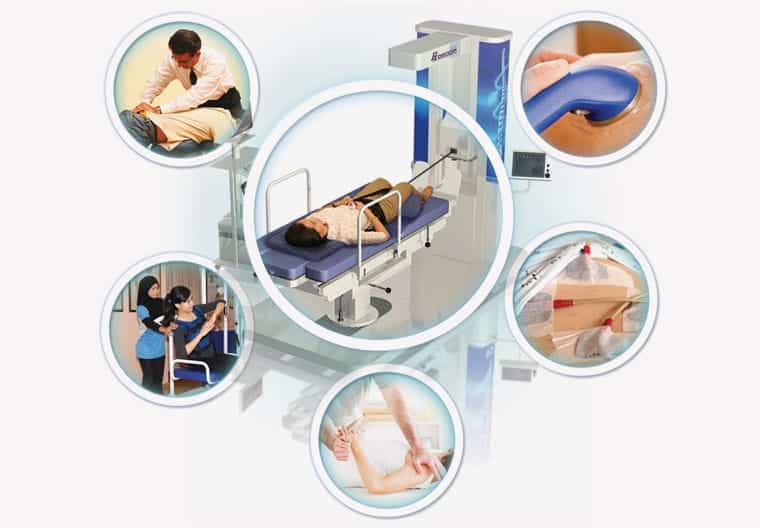
Interferential Current Therapy in KL, Malaysia
Interferential Current Therapy (IFT or IFCT) is a form of electrotherapy used in physiotherapy and musculoskeletal care to stimulate deeper muscles and surrounding tissues using controlled electrical currents. By combining two medium-frequency electrical currents that intersect within the body, Interferential Current Therapy produces a gentle stimulation pattern that can reach deeper tissues compared with many surface electrotherapy methods.
At our centers in Kuala Lumpur, Interferential Current Therapy is often included as part of an integrated program that may combine chiropractic care, physiotherapy, and rehabilitation exercises. These approaches work together to address muscle tension, joint stiffness, and mechanical stress affecting the spine and joints.
ICT is delivered through small electrodes placed on the skin. The electrical currents pass through tissues in a controlled and comfortable way, creating a mild rhythmic sensation that many individuals find relaxing.
In some situations, electrotherapy may also be included in programs designed for spinal disc stress or nerve sensitivity around the spine.
Readers who want to understand how spinal discs influence nerve irritation and movement can explore our guide on neck pain, lower back pain, and most important; our Slip Disc Care in Kuala Lumpur, which explains disc structure, degeneration, and related spine concerns.
Key Takeaways
Interferential Current Therapy is a form of electrotherapy
ICT uses intersecting electrical currents to stimulate deeper muscle layers and surrounding tissues.Electrotherapy influences muscles and nerves
Techniques such as ICT and TENS use controlled electrical stimulation to influence muscle activity and soft tissues.Often included in physiotherapy and spine care programs
Interferential Current Therapy may be used alongside physiotherapy, rehabilitation exercises, and spinal care approaches.
Ready to Discuss Interferential Current Therapy Care?
If you would like to learn whether Interferential Current Therapy may be appropriate for your condition, our team can guide you through an assessment and discuss available care options.
Contact us to schedule an evaluation and learn more about electrotherapy sessions available at our Kuala Lumpur centers.
What Is Electrotherapy?
Electrotherapy refers to physiotherapy techniques that use controlled electrical stimulation to influence muscles, nerves, and surrounding tissues.
Common electrotherapy methods used in musculoskeletal care include:
- Interferential Current Therapy (ICT)
- Micro Current Therapy
- Transcutaneous Electrical Nerve Stimulation (TENS)
Keep in mind, most centers only refer to Interfertial current, Micro current, and tens as electrotherapy. Each electrotherapy method or technique works in a slightly different way. Some influence surface nerves, while others stimulate deeper muscles and soft tissues
How Interferential Current Therapy Works
Interferential Current Therapy uses two medium-frequency electrical currents delivered through electrodes placed on the skin.
When the currents intersect inside the body, they create a deeper stimulation effect that can influence muscles and surrounding tissues.
This stimulation may help:
• encourage muscle relaxation
• influence deeper muscle layers
• assist circulation in soft tissues
• reduce muscular tightness around joints
• support movement in areas affected by stiffness
Because of this deeper stimulation pattern, ICT is often included in physiotherapy programs addressing spine and joint movement concerns.
Interferential Current Therapy vs Other Electrotherapy
Not all electrotherapy techniques stimulate the body in the same way.
TENS & Micro Current therapies
- uses low-frequency stimulation
- primarily targets surface nerves
Interferential Current Therapy
- uses intersecting medium-frequency currents
- stimulates deeper muscles and tissues
- commonly used in musculoskeletal physiotherapy programs
Because the stimulation occurs deeper within tissues, ICT is often included in care programs addressing muscular tightness, joint stress, and restricted movement.
When Interferential Current Therapy May Be Used
Interferential Current Therapy may be included in physiotherapy programs when individuals experience:
- muscle tightness or stiffness
- restricted joint movement
- muscular strain from daily activities
- pinal muscle tension
- soft-tissue irritation
In some cases, electrotherapy may also be used alongside programs designed for spinal disc conditions where surrounding muscles influence spinal movement.
Is Interferential Current Therapy Safe?
When applied by trained professionals, Interferential Current Therapy is generally considered a safe electrotherapy technique used in physiotherapy settings.
Safety considerations include:
- controlled electrical currents
- electrode placement on the skin surface
- adjustable intensity levels
- monitoring during sessions
Sessions are typically tailored to each individual’s comfort and clinical needs.
Why Interferential Current Therapy Is Often Combined With Physiotherapy
Electrotherapy is rarely used on its own. It is often combined with other approaches that address movement and joint mechanics.
A typical musculoskeletal care program may include:
- physiotherapy exercises
- rehabilitation programs
- gentle spinal care
- ovement retraining
- electrotherapy such as Interferential Current Therapy
Combining these approaches helps address both muscular and mechanical factors affecting movement.
The Therapeutic Benefits of Interferential Current Therapy

IFT works by delivering specialized electrical currents through targeted areas using carefully placed pads. These currents penetrate deeper into tissues compared to other forms of electrotherapy, ensuring better results. The benefits of IFT include:
- Muscle Relaxation: IFT calms tense muscles, reducing stiffness and promoting mobility.
- Reduced Swelling: By enhancing circulation, IFT reduces inflammation and swelling in the affected areas.
- Improved Blood Flow: Better blood flow accelerates the delivery of oxygen and nutrients to tissues, supporting faster healing.
- Ache Relief: The therapy stimulates the release of natural chemicals that lessen discomfort such as endorphins and enkephalins, offering lasting relief.
IFT is particularly beneficial for individuals suffering from conditions such as slipped discs, neck and back discomfort, scoliosis, joint issues, and sports injuries.
Modern Electrotherapy for Spine and Joint Conditions
IFT is widely regarded as the most effective type of electrotherapy, surpassing TENS and other electrical stimulation methods. While TENS units are portable and suitable for temporary relief, they lack the therapeutic properties necessary for tissue healing. IFT, on the other hand, promotes deeper penetration into the soft tissues, addressing underlying issues rather than just masking symptoms.
At CSC, our care sessions last around 20 minutes, allowing us to maximize the therapeutic effects of IFT. This extended care duration, combined with expert customization by our clinical team, ensures that your therapy is highly targeted and effective.
How IFT Differs from Other Electrotherapy Methods

IFT works by delivering intersecting currents that create a soothing yet effective stimulation within deeper layers of soft tissue. This results in:
- Deeper Tissue Penetration: Unlike surface-level stimulation from basic electrotherapy devices, IFT reaches deep tissue layers.
- Comprehensive Healing: IFT stimulates tissue repair, reduces inflammation, and enhances circulation, promoting long-term recovery.
- Relaxation and Comfort: Patients often describe the sensation as gentle and relaxing, making IFT a preferred method for soothing discomfort.
In contrast, TENS units are designed for superficial discomfort relief without therapeutic value. While TENS can help with temporary discomfort, it is not effective for addressing the root causes of musculoskeletal issues.
Expertise in IFT at Chiropractic Specialty Center®
At CSC, our approach to Interferential Current Therapy is driven by expertise, knowledge, and precision. Every care session is customized to suit your specific needs, ensuring optimal results. Our chiropractors and physiotherapists are thoroughly trained in delivering IFT, allowing us to achieve outcomes that surpass expectations.
Our team understands that proper application of IFT is as important as the technology itself. Using the most modern devices in the field, we ensure accurate targeting of affected tissues, delivering measurable improvements in mobility and comfort.
Why Choose CSC for Interferential Current Therapy?
CSC’s success in electrotherapy lies in the synergy of cutting-edge technology and skilled professionals. Here’s why patients trust us for their care:
- Collaborative Expertise: Our chiropractors and physiotherapists work together to provide integrative care for comprehensive recovery.
- State-of-the-art Technology: We utilize genuine IFT devices designed for deep tissue healing and long-term results.
- Customized Care Methods: Every session is tailored to address the specific needs of each patient, ensuring better outcomes.
- Commitment to Excellence: Our clinical team undergoes rigorous training, enabling them to provide the highest quality care.
Experience Superior Care at CSC
Interferential Current Therapy is an essential part of our integrative approach to spine and joint recovery. By combining IFT with chiropractic care, physiotherapy, and modern care devices, we ensure holistic care for our patients.
Don’t settle for subpar electrotherapy methods. Visit one of our centers today to experience the benefits of IFT. Whether you are recovering from a sports injury, slipped disc, or joint issue, CSC’s clinical teams are here to help you achieve an active lifestyle.
Contact us to learn more about how Interferential Current Therapy can accelerate your recovery and improve your overall well-being.
Author:
“Interferential Current Therapy: Non-Invasive Benefits for Spine and Muscle Health in Kuala Lumpur” is written by Yama Zafer, D.C., who has an educational background in physiotherapy and chiropractic, graduated from Cleveland Chiropractic University in Kansas City, with nearly 3 decades in physiotherapy and chiropractic; read more about Y. Zafer on his official bio page.
Peer-Reviewed Medical References:
Goats GC. Interferential current therapy. Br J Sports Med. 1990;24(2):87–92.
Liao W, et al. Neuromuscular and circulatory effects of mid-frequency electrotherapy. Physiother Res Int. 2006;11(3):175–83.
Sluka KA, Walsh D. Electrical stimulation to promote healing. Phys Ther. 2003;83(2):109–21.
Bjordal JM, et al. Electrotherapy in musculoskeletal conditions: systematic review. Eur J Phys Rehabil Med. 2007;43(4):377–92.
Johnson MI, Tabasam G. Reliability of interferential current therapy for deep tissue relief. Physiotherapy. 2003;89(11):715–23.
Watson T. Electrotherapy: Evidence-Based Practice. Edinburgh: Elsevier Churchill Livingstone; 2010.
Robertson VJ, Baker KG. A review of therapeutic ultrasound: effectiveness. Physiotherapy. 2001;87(7):453–62.
Last Updated:
Last updated March 11, 2026: Interferential Current Therapy: Non-Invasive Benefits for Spine and Muscle Health in Kuala Lumpur.
Share with others: