Foot Pain: What the Symptoms Can Point To

Foot pain is unusually easy to narrow by location. With foot pain, first-step heel pain after getting out of bed is one pattern that can direct the assessment toward the plantar fascia. Pain at the back of the heel usually indicates the Achilles tendon. Burning between the third and fourth toes suggests a compressed nerve. Pain across the top of the foot following a rise in activity can be bone.

That last one carries the most consequence, because it is the one walked on for too long. Bone pain from overload is tender over one specific spot, worsens as an activity continues rather than warming up, and can ache at rest.

Foot pain, along with ankle and heel problems, usually arises from excessive strain on bones, muscles, and soft tissues, which changes how you walk and how weight is shared across the foot. Because the foot carries load with every step, a problem in one structure often alters how the others work, and that is what an examination looks for before any care is planned.

Common foot concerns, such as plantar fasciitis and heel spurs, develop due to repetitive stress on the foot’s three primary arches. Excessive tension in the plantar fascia and Achilles tendon may contribute to soft tissue calcification, leading to mobility restrictions. Research supports the use of targeted rehabilitation, custom orthotic solutions, and structured movement-based interventions to optimize foot stability and alignment while reducing strain on affected structures.

Proper footwear selection and postural awareness play a crucial role in preventing foot issues. Ensuring adequate arch support, using well-fitted shoes, and engaging in structured mobility exercises help maintain foot function and reduce the likelihood of long-term complications. Studies highlight that non-surgical recovery methods, including Shockwave Therapy, laser therapy, and progressive physiotherapy-based techniques: offer effective alternatives to invasive procedures by addressing underlying mechanical imbalances.

Additionally, foot pain can make even simple daily activities feel difficult. At Chiropractic Specialty Center (CSC), we use gentle, non-invasive chiropractic, physiotherapy, and rehabilitation care to improve alignment, reduce mechanical stress, and help you move comfortably again without surgery, injections, or medication. Our experienced team looks closely at the causes behind your pain, including muscle imbalances, joint restriction, poor arch support, or repetitive overuse.

Every care plan is personalized for your needs, using gentle mobilization, structured exercises, and modern tools like myofascial release and custom orthotic guidance. Our goal is to restore natural foot movement, support healthy biomechanics, and help you return to your daily life feeling stable and confident.

Whether you have heel soreness, arch strain, ankle stiffness, or forefoot pressure, we focus on long-term recovery through evidence-based care. Book an assessment with us and take your first step toward lasting comfort.

This article reinforces the benefits of non-invasive foot care solutions. By integrating movement-based rehabilitation, customized orthotic support, and modern physiotherapy techniques, individuals can pursue research-backed approaches that address foot mechanics and mobility, with invasive options considered only after conservative care has been tried.

This guide to foot pain, what the symptoms can point to and the role of the foot arches, is published by Chiropractic Specialty Center, Bukit Damansara (KL) main center: WhatsApp+60 17 269 1873 Call+603 2093 1000

Key Takeaways

  1. Non-invasive, hands-on care: Our chiropractic, physiotherapy, and rehabilitation team works on foot mechanics and on how load is shared across the arches during walking.

  2. The plan follows the findings: Exercises and hands-on techniques are chosen for what the examination shows about your foot, not from a fixed protocol.

  3. Alignment and strength are addressed together: Correcting alignment and building strength are both part of how foot pain and its contributing factors are managed.

Non-Invasive Foot Support Strategies for Recovery

Structured non-invasive foot, ankle, and heel care approaches may provide effective strategies for maintaining mobility and addressing mechanical stress on weight-bearing structures. Targeted movement-based recovery programs focus on long-term foot health without the need for invasive procedures.


Common Influences on Foot, Ankle, and Heel Function

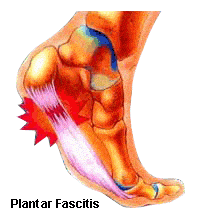
foot pain caused by plantar fasciitis

Foot and ankle mechanics involve multiple interconnected structures, including bones, muscles, ligaments, and tendons. These components work together to support movement, absorb mechanical stress, and maintain balance.

Over time, repetitive motion stress or structural adaptations may influence foot function and weight distribution. Research suggests that by the age of twenty, nearly 80% of individuals experience some form of foot-related structural variation. Identifying and addressing early changes in foot mechanics may help maintain long-term mobility.

The Role of Foot Arches in Movement and Stability

The foot contains three structural arches, each contributing to balance, weight distribution, and mobility:

  1. Metatarsal Arch: Located at the ball of the foot, assisting in forward motion and shock absorption.
  2. Lateral Longitudinal Arch: Positioned along the outer side of the foot, providing stability during movement.
  3. Medial Arch: Often referred to as the primary arch, supporting weight distribution during activity.

Structural adjustments in foot arches due to repetitive movement or mechanical stress may contribute to soft tissue adaptations and variations in weight-bearing function.

Structural Adaptations in Tendons and Soft Tissues

Variations in soft tissue mechanics, including changes in the plantar fascia or Achilles tendon, may influence long-term foot stability. Mechanical stress may contribute to:

  • Tendon and ligament structural changes over time.
  • Calcification in soft tissues, leading to variations in function.
  • Adjustments in foot alignment that may influence weight-bearing mechanics.

Early assessment of movement-based influences on foot function may help maintain long-term mobility and structural integrity.

Strategies for Supporting Foot and Heel Function

Encouraging foot and ankle mobility while reducing unnecessary stress may help maintain joint and soft tissue function. Some key considerations include:

  • Wearing structured footwear that provides adequate arch support.
  • Adjusting movement mechanics to reduce excessive strain on soft tissues.

Considering custom orthotic solutions to optimize weight distribution and foot alignment.

Exploring Orthotic Solutions and Structured Footwear Strategies

Proper foot support strategies may help maintain structural alignment and minimize unnecessary stress on weight-bearing structures. Some considerations include:

  • Selecting footwear that provides proper support rather than relying solely on brand recognition.
  • Ensuring adequate arch stability to encourage optimal weight distribution.
  • Utilizing custom orthotics when necessary to maintain foot mechanics and alignment.

Non-Invasive Strategies for Foot and Heel Recovery

Structured movement-based recovery programs emphasize long-term mobility while reducing structural stress on the foot and ankle. Some key approaches include:

  • Encouraging soft tissue flexibility to maintain functional foot movement.
  • Supporting structural alignment through targeted movement strategies.
  • Utilizing technology-assisted movement recovery programs to maintain joint mobility.

Maintaining Long-Term Foot and Heel Stability

Some strategies that may help support long-term foot mechanics include:

  • Encouraging regular movement in the toes and ankles to maintain flexibility.
  • Wearing structured footwear that provides adequate space and secure fit.
  • Elevating the feet when necessary to minimize unnecessary strain.
  • Avoiding excessive standing without movement adjustments.
  • Using high-quality footwear with proper lacing for added support.
  • Minimizing prolonged sitting with feet positioned below the knees.
  • Protecting feet from temperature variations and moisture.

Seeking Structured Guidance for Foot and Heel Support

If foot, ankle, or heel concerns are affecting daily function, structured movement-based recovery programs may provide an alternative to invasive procedures. Exploring non-invasive recovery methods before considering structural interventions may help maintain long-term foot and joint function.

Having Foot Pain Assessed

Foot pain that persists past a few weeks, returns with the same activity, or changes how you walk is usually worth examining, since the structure involved determines what helps. Our team can assess the foot, ankle, and heel together and explain the findings before anything is decided: our contact page has the details.

For planning, the chiropractic prices in Kuala Lumpur and physiotherapy prices in Kuala Lumpur pages set out what each visit costs.

Peer-Reviewed Medical References:

The Author of Foot Pain: Common Causes and How It Is Assessed

Foot Pain: Common Causes and How It Is Assessed was written by Yama Zafer, D.C., who has 30+ years in chiropractic and physiotherapy and founded Chiropractic Specialty Center in Kuala Lumpur in 2006.

Last Updated: Foot Pain: What the Symptoms Can Point To

Foot Pain: What the Symptoms Can Point To was last reviewed and updated on October 3, 2026.

Share with others: